Bread VS Low Fat Milk
A detailed nutritional comparison
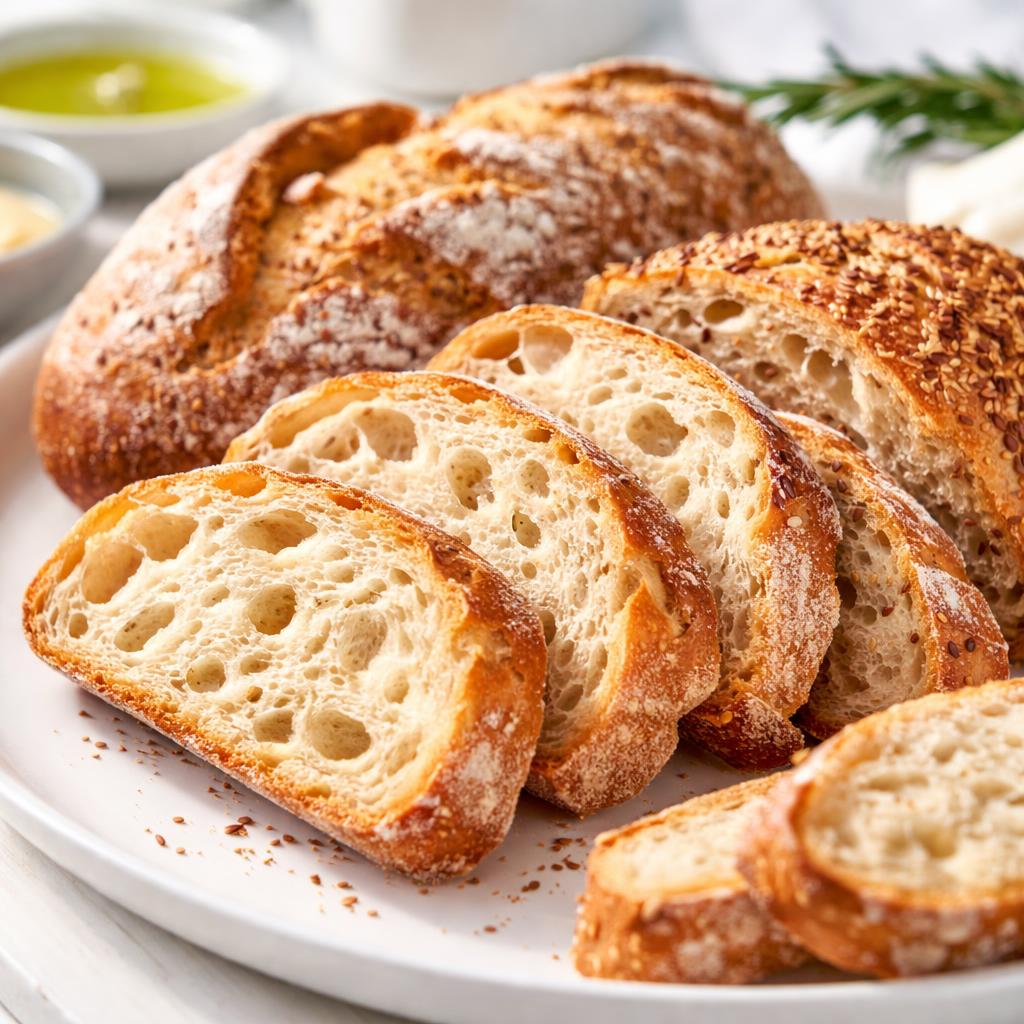
Bread
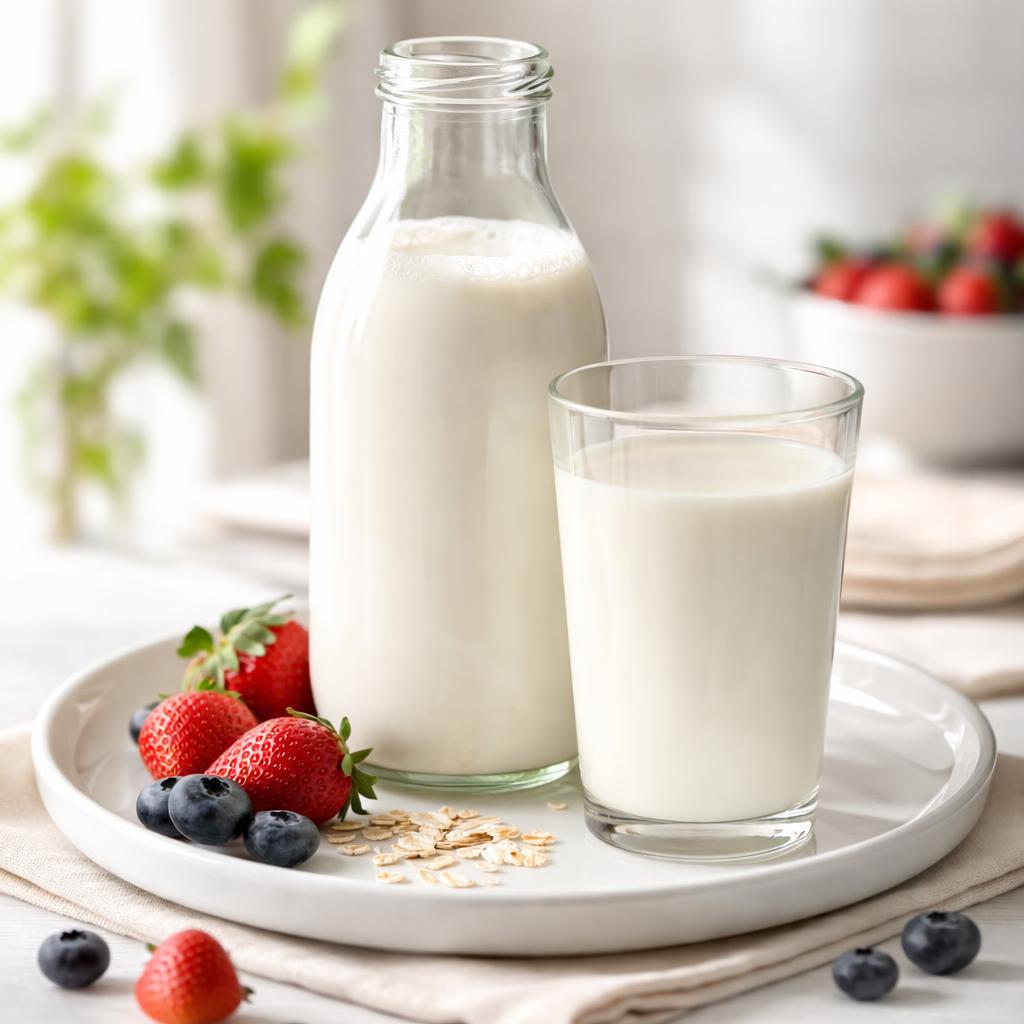
Low Fat Milk
🎯 Quick Verdict
Low-fat milk and bread offer distinct nutritional benefits. Milk stands out for being higher in protein with fewer calories, making it a preferred choice for muscle maintenance and weight management. Bread, on the other hand, provides more fiber and carbohydrates, making it suitable for energy and digestive health. Their use will depend on your dietary goals and preferences.

Smart Nutrition Tracking with SnapCalorie

📊 Nutritional Comparison
Macronutrients
| Nutrient | Food 1 | Food 2 | Winner |
|---|---|---|---|
| Calories | 80 (per slice) | 100 (per cup) | ✓ |
| Protein | 3g | 8g | ✓ |
| Carbs | 15g | 12g | ✓ |
| Fat | 1g | 2.5g | ✓ |
| Fiber | 1g | 0g | ✓ |
Vitamins & Minerals
| Nutrient | Food 1 | Food 2 | Winner |
|---|---|---|---|
| Calcium | 30mg | 300mg | ✓ |
| Vitamin D | 0mcg | 2mcg | ✓ |
| Iron | 0.5mg | 0mg | ✓ |
| Vitamin B12 | 0mcg | 1mcg | ✓ |
🏆 Category Winners
Protein
Low-fat milk provides over 2x more protein per serving.
Fiber
Bread contains dietary fiber, while milk has none.
Calories
Bread has 20% fewer calories per serving.
Vitamins
Milk is rich in calcium, Vitamin D, and Vitamin B12, essential for bone health and energy production.
🥗 Diet Compatibility
Keto
Food 1: Not Compatible
Food 2: Not Compatible
Both contain too many carbs to suit a keto diet.
Vegan
Food 1: Compatible
Food 2: Not Compatible
Bread can be vegan but milk is animal-based.
Gluten Free
Food 1: Not Compatible
Food 2: Compatible
Bread typically contains gluten unless specified gluten-free, but milk is naturally gluten-free.
Paleo
Food 1: Not Compatible
Food 2: Not Compatible
Bread and milk are excluded from paleo diets due to grain and dairy content.
Low-Carb
Food 1: Not Compatible
Food 2: Not Compatible
Both foods are moderate in carbs and not ideal for strict low-carb diets.
💪 Health Benefits Comparison
Food 1 Benefits
- Good source of energy from carbohydrates
- Provides dietary fiber for digestive health
- Contains small amounts of iron for oxygen transport
Food 2 Benefits
- Rich in protein for muscle repair and growth
- High in calcium for strong bones and teeth
- Contains vitamin D and B12 for immune and neurological health
✅ The Bottom Line
Choose low-fat milk for high-protein diets, weight loss, or bone health. Opt for bread when looking for a source of fiber or quick energy. Milk is better for muscle support, while bread is more versatile for snacks and meals.
Choose Food 1 for: Quick energy, fiber supplementation, vegan diets
Choose Food 2 for: Muscle recovery, bone health, low-calorie diets


