Bread VS Kale
A detailed nutritional comparison
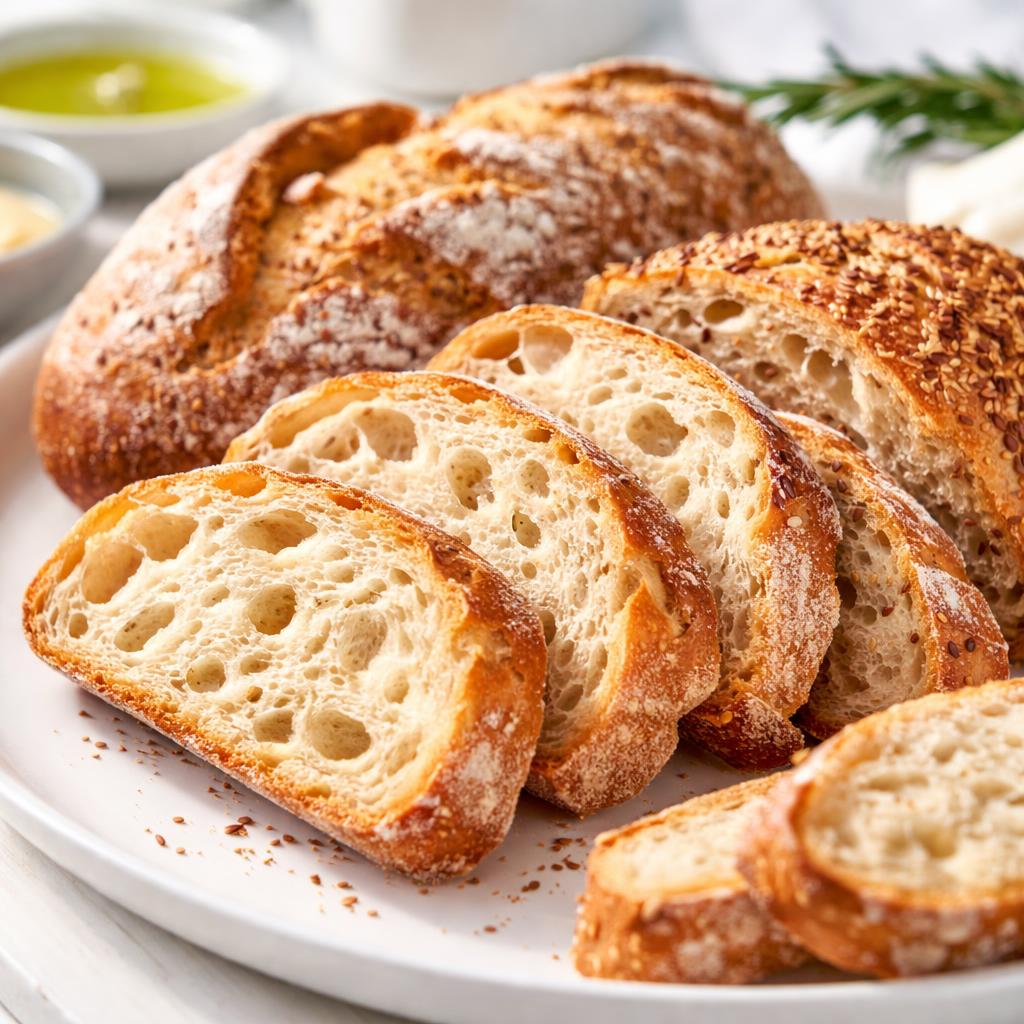
Bread
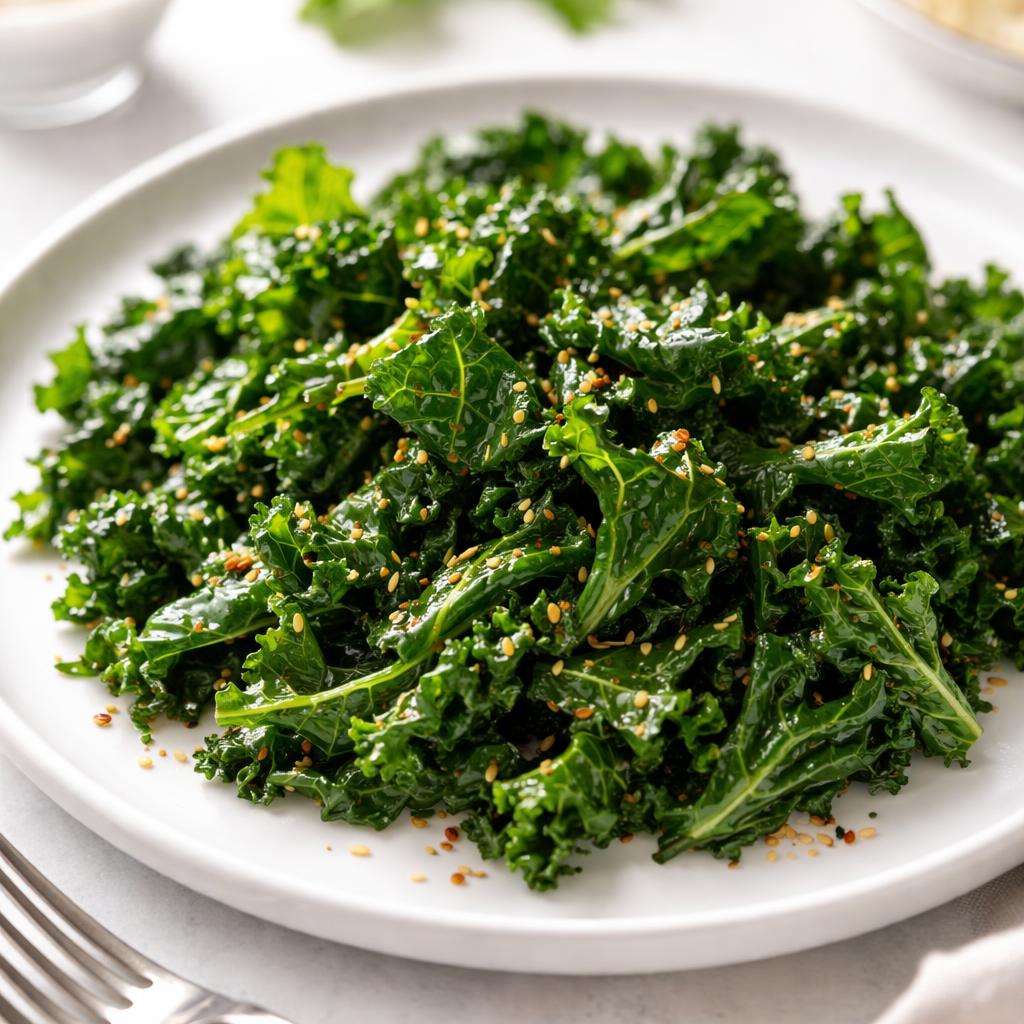
Kale
🎯 Quick Verdict
Kale offers superior nutritional density with fewer calories, higher fiber, and abundant vitamins, making it an excellent choice for weight loss and boosting health. Bread provides more protein and carbohydrates, making it better for quick energy and meal versatility like sandwiches or toast. Both have unique uses based on dietary goals.

Smart Nutrition Tracking with SnapCalorie

📊 Nutritional Comparison
Macronutrients
| Nutrient | Food 1 | Food 2 | Winner |
|---|---|---|---|
| Calories | 265 | 35 | ✓ |
| Protein | 9g | 3g | ✓ |
| Carbs | 49g | 7g | ✓ |
| Fat | 3g | 0.5g | ✓ |
| Fiber | 2g | 2.5g | ✓ |
Vitamins & Minerals
| Nutrient | Food 1 | Food 2 | Winner |
|---|---|---|---|
| Vitamin A | 0mcg | 241mcg | ✓ |
| Vitamin C | 0mg | 80mg | ✓ |
| Calcium | 50mg | 150mg | ✓ |
| Iron | 3mg | 1mg | ✓ |
🏆 Category Winners
Protein
Bread has three times the protein content of kale, making it better for protein intake.
Fiber
Kale contains slightly more dietary fiber per serving.
Calories
Kale is extremely low-calorie compared to bread.
Vitamins
Kale offers a richer vitamin profile, including high levels of vitamin A, C, and calcium.
🥗 Diet Compatibility
Keto
Food 1: Not Compatible
Food 2: Compatible
Kale is low-carb, whereas bread is high in carbohydrates.
Vegan
Food 1: Compatible
Food 2: Compatible
Both foods are entirely plant-based.
Gluten Free
Food 1: Not Compatible
Food 2: Compatible
Bread typically contains gluten while kale is naturally gluten-free.
Paleo
Food 1: Not Compatible
Food 2: Compatible
Bread is processed and not allowed in a paleo diet, while kale fits paleo guidelines.
Low Carb
Food 1: Not Compatible
Food 2: Compatible
Bread is high in carbs, while kale is low-carb and suitable for low-carb diets.
💪 Health Benefits Comparison
Food 1 Benefits
- Moderate protein for energy and muscle repair
- Provides quick-release carbohydrates to fuel physical activity
- Contains a modest amount of iron for oxygen transport in the body
Food 2 Benefits
- High in vitamin A for eye health
- Enriched with vitamin C for immune system support
- Good source of calcium for strong bones
- Rich in fiber for digestive health and satiety
✅ The Bottom Line
Kale is the better choice for overall nutrition density, lower calorie intake, and supporting health-focused diets such as keto or paleo. Bread, on the other hand, is ideal for quick energy needs due to its carb content and higher protein. Choose bread for energizing meals and kale for weight loss or boosting micronutrient intake.
Choose Food 1 for: Quick energy, sandwiches, replenishing carbs after workouts
Choose Food 2 for: Weight management, immune support, nutrient-rich meals


