Bread VS Jelly
A detailed nutritional comparison
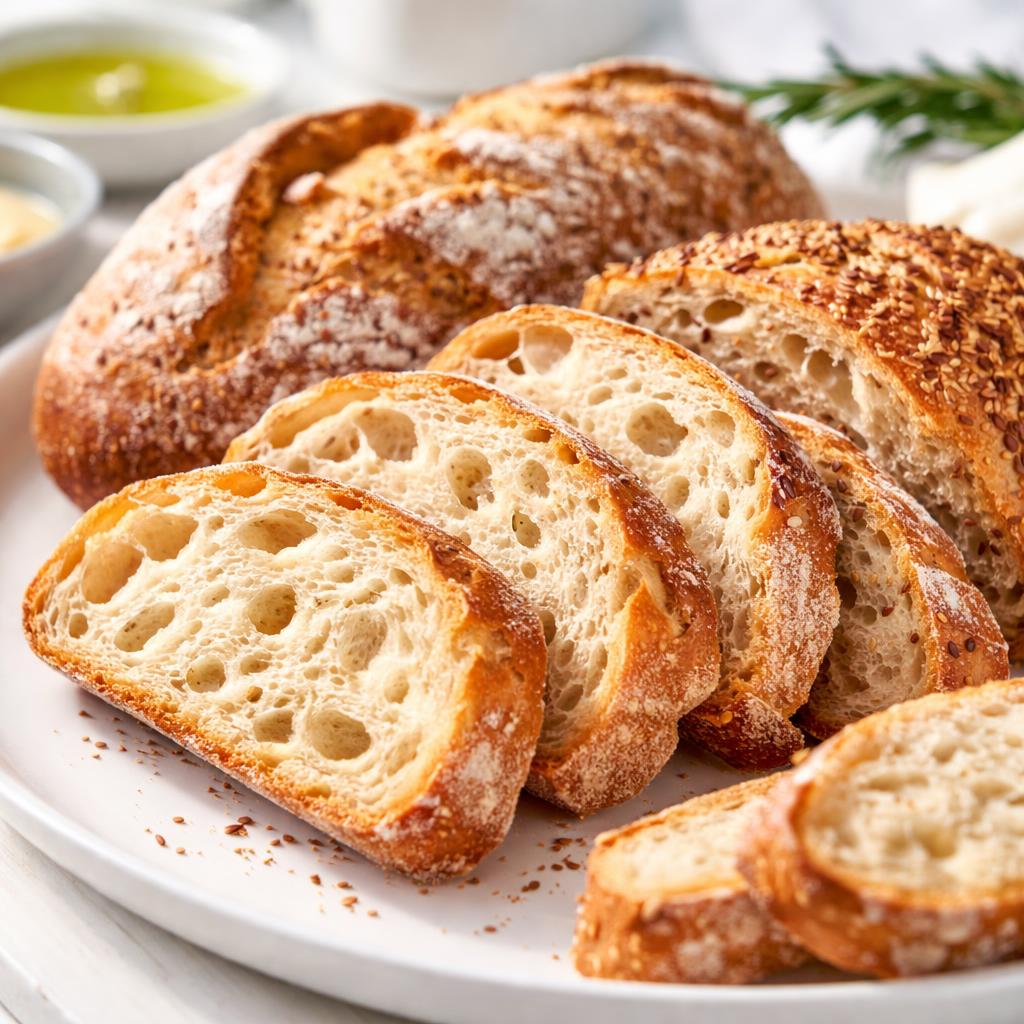
Bread
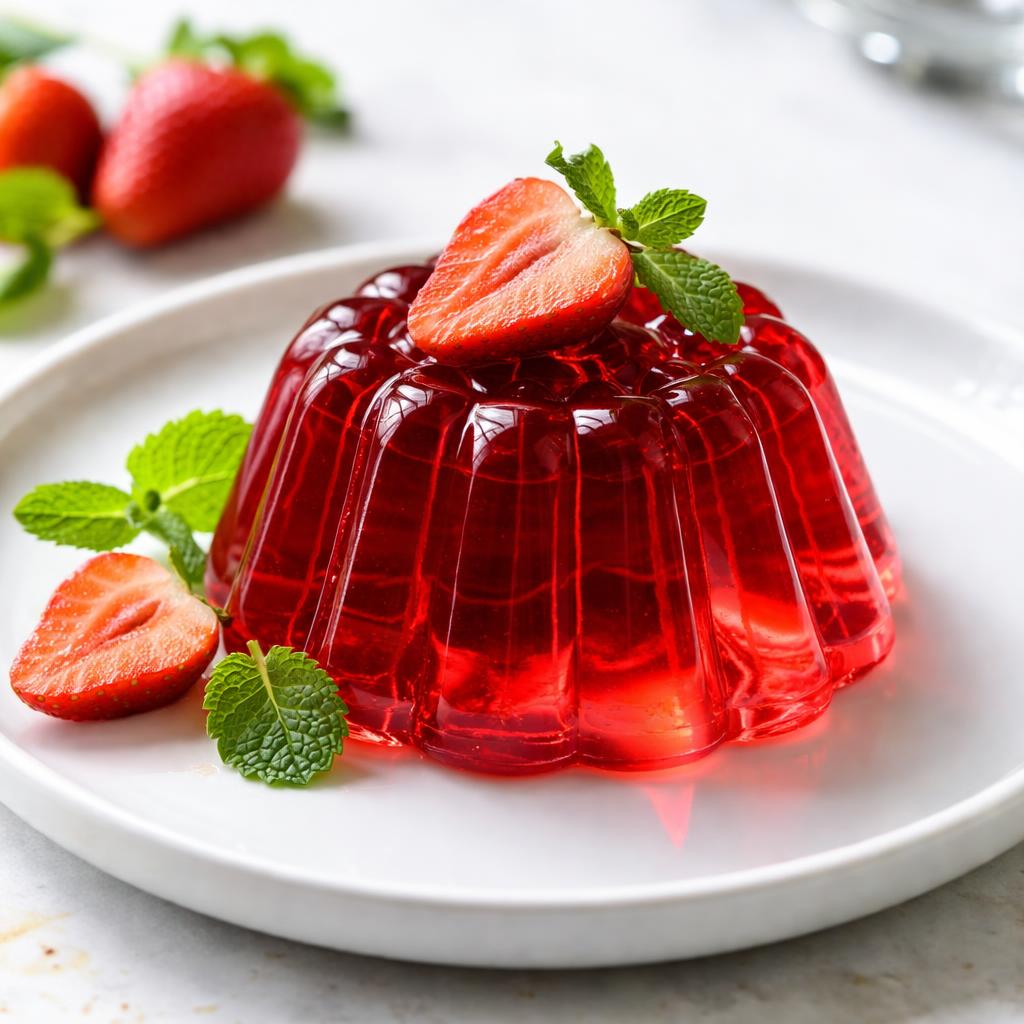
Jelly
🎯 Quick Verdict
Bread provides more protein, fiber, and calories, making it more suitable for satiety and muscle maintenance. Jelly is lower in nutrients except carbohydrates, making it best as a quick energy source. Bread is versatile as a staple food, while jelly is mainly used as a sweet topping or energy booster.

Smart Nutrition Tracking with SnapCalorie

📊 Nutritional Comparison
Macronutrients
| Nutrient | Food 1 | Food 2 | Winner |
|---|---|---|---|
| Calories | 80 per slice | 50 per tablespoon | ✓ |
| Protein | 2g per slice | 0g per tablespoon | ✓ |
| Carbs | 15g per slice | 13g per tablespoon | − |
| Fat | 1g per slice | 0g per tablespoon | ✓ |
| Fiber | 1g per slice | 0g per tablespoon | ✓ |
Vitamins & Minerals
| Nutrient | Food 1 | Food 2 | Winner |
|---|---|---|---|
| Vitamin D | 0mcg | 0mcg | − |
| Calcium | 20mg | 5mg | ✓ |
| Iron | 0.7mg | 0.1mg | ✓ |
🏆 Category Winners
Protein
Bread contains 2g of protein per serving, while jelly has no protein.
Fiber
Bread offers 1g of fiber per slice, whereas jelly contains none.
Calories
Bread contains 80 calories per slice compared to 50 calories per tablespoon of jelly, winning within context of nutrient density.
🥗 Diet Compatibility
Keto
Food 1: Not Compatible
Food 2: Not Compatible
Both are high in carbohydrates.
Vegan
Food 1: Compatible
Food 2: Compatible
Both are plant-based foods.
Gluten Free
Food 1: Not Compatible
Food 2: Compatible
Bread typically contains gluten, but jelly does not.
Paleo
Food 1: Not Compatible
Food 2: Not Compatible
Neither bread nor jelly aligns with paleo guidelines due to processed ingredients.
Low Carb
Food 1: Not Compatible
Food 2: Not Compatible
Both foods are relatively high in carbohydrates.
💪 Health Benefits Comparison
Food 1 Benefits
- Provides sustained energy due to carbohydrates
- Contains some fiber for digestive health
- Supplies small amounts of calcium and iron
Food 2 Benefits
- Quick energy source to fuel activities
- Can enhance flavor of nutrient-dense foods
- Contains antioxidants depending on fruity varieties (e.g., berry jelly)
✅ The Bottom Line
Choose bread for balanced energy, a bit more nutrients (protein, fiber, and vitamins), or as a staple ingredient in meals. Opt for jelly as a quick carbohydrate source or a sweetener in moderation. Combining both in controlled portions, like on sandwiches, can be tasty and practical.
Choose Food 1 for: Balanced meals, sustained energy, moderate protein intake
Choose Food 2 for: Quick energy, sweet toppings, flavor enhancement


