Bread VS Homemade Bread
A detailed nutritional comparison
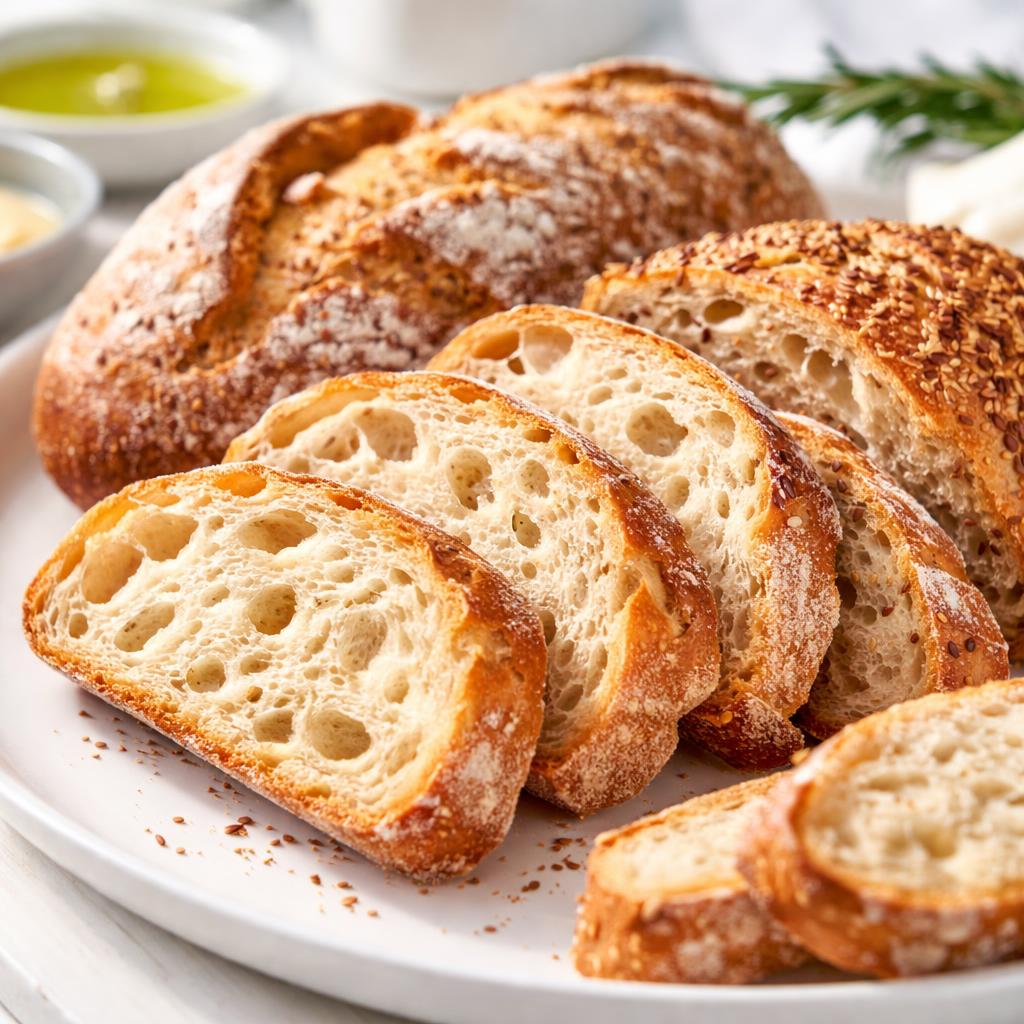
Bread
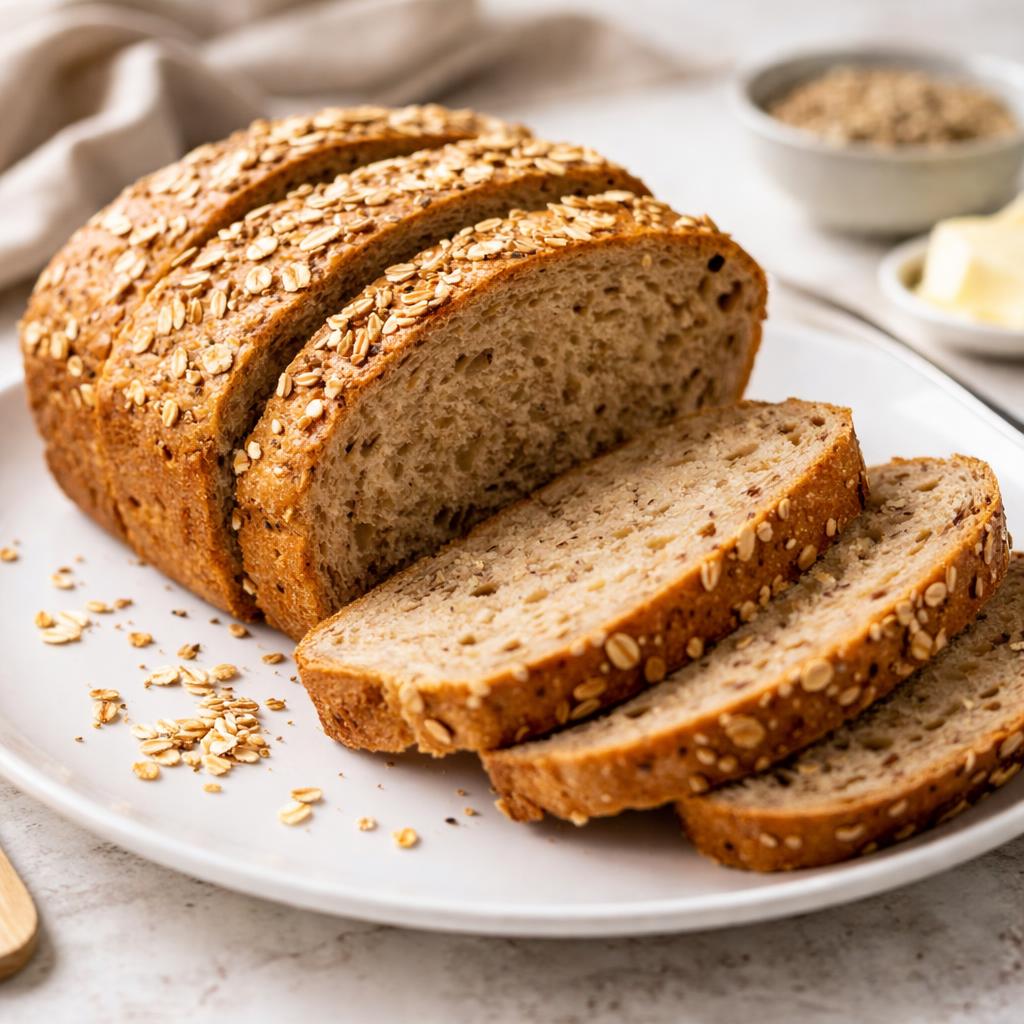
Homemade Bread
🎯 Quick Verdict
Homemade bread offers slightly better nutritional benefits compared to store-bought bread. It is lower in calories, often higher in fiber, and contains fewer additives or preservatives, making it a better option for natural eating. However, both share similar macronutrient profiles and may vary based on the recipe used for homemade bread.

Smart Nutrition Tracking with SnapCalorie

📊 Nutritional Comparison
Macronutrients
| Nutrient | Food 1 | Food 2 | Winner |
|---|---|---|---|
| Calories | 265 (per slice) | 200 (per slice) | ✓ |
| Protein | 9g | 9g | − |
| Carbs | 49g | 40g | ✓ |
| Fat | 3g | 2g | ✓ |
| Fiber | 2g | 3g | ✓ |
Vitamins & Minerals
| Nutrient | Food 1 | Food 2 | Winner |
|---|---|---|---|
| Vitamin D | 0.2mcg | 0mcg | ✓ |
| Calcium | 25mg | 30mg | ✓ |
| Iron | 1mg | 2mg | ✓ |
🏆 Category Winners
Protein
Both bread types provide equal protein.
Fiber
Homemade bread contains 50% more fiber per serving.
Calories
Homemade bread has approximately 25% fewer calories per slice.
Vitamins
Homemade bread provides higher levels of calcium and iron.
🥗 Diet Compatibility
Keto
Food 1: Not Compatible
Food 2: Not Compatible
Both are high-carb foods.
Vegan
Food 1: Compatible
Food 2: Variable (depends on recipe)
Store-bought bread is typically vegan, but homemade bread depends on whether ingredients like milk or butter are used.
Gluten Free
Food 1: Not Compatible
Food 2: Variable (depends on recipe)
Store-bought bread is typically made with wheat flour. Homemade bread may be gluten-free if alternative flours are used.
Paleo
Food 1: Not Compatible
Food 2: Variable (depends on recipe)
Bread is not paleo-compliant unless specific grain-free flours are used in homemade recipes.
Low-Carb
Food 1: Not Compatible
Food 2: Variable (depends on recipe)
Both are typically high in carbs unless homemade bread is adapted for low-carb diets (e.g., almond or coconut flour).
💪 Health Benefits Comparison
Food 1 Benefits
- Convenience and consistency in nutritional value across brands
- Reliable protein source when combined with other foods
- Fortified with vitamins (e.g., iron or folic acid) for added nutritional benefits
Food 2 Benefits
- Fewer additives or preservatives for cleaner eating
- Flexible nutritional profiles based on recipe modifications
- Higher likelihood of increased fiber and lower calories per slice
✅ The Bottom Line
Choose homemade bread if you want cleaner ingredients and flexibility to suit specific dietary needs like increasing fiber or reducing calories. Store-bought bread is convenient, consistent, and fortified with certain vitamins but may contain preservatives. Both options are similar in protein but differ in fiber and calories per serving.
Choose Food 1 for: Convenience, consistent nutrients, fortified diets
Choose Food 2 for: Clean eating, flexibility in recipes, nutrient density


