Bread VS Home Fries
A detailed nutritional comparison
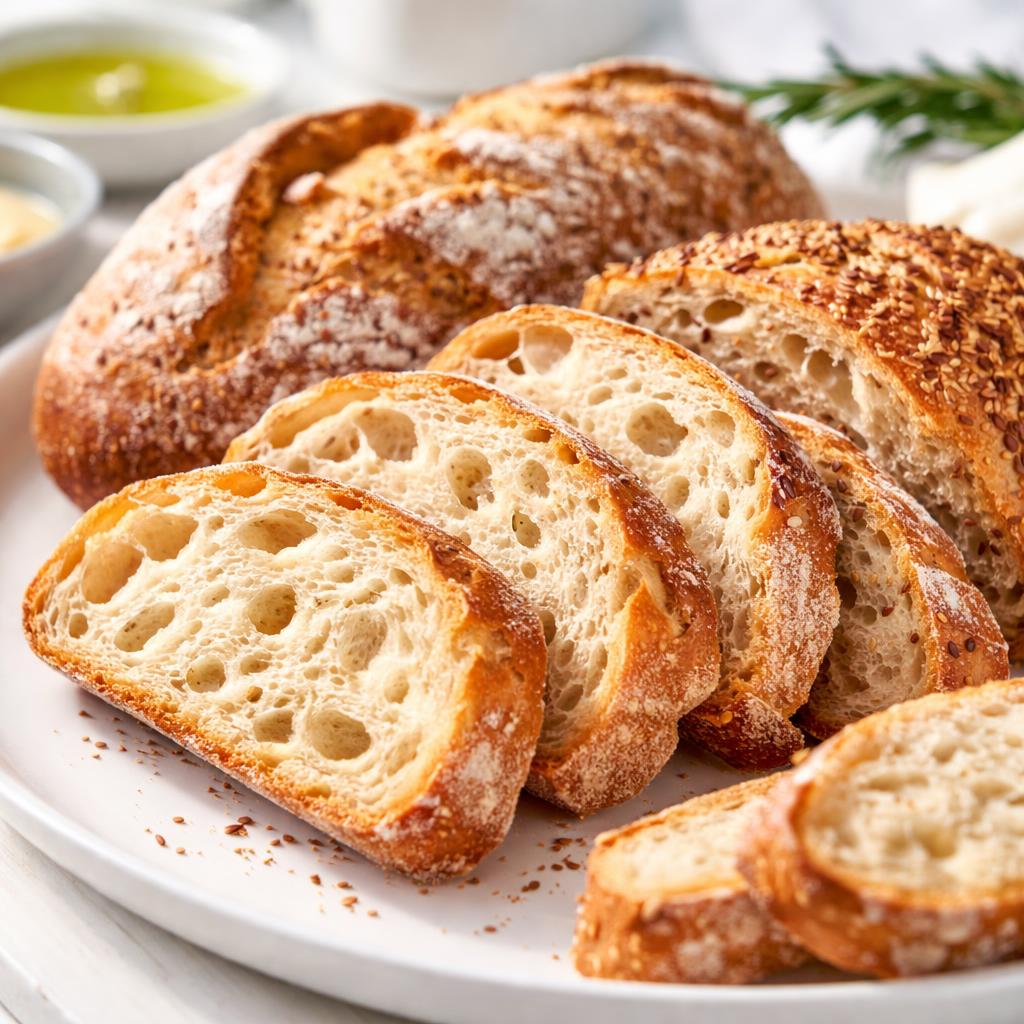
Bread
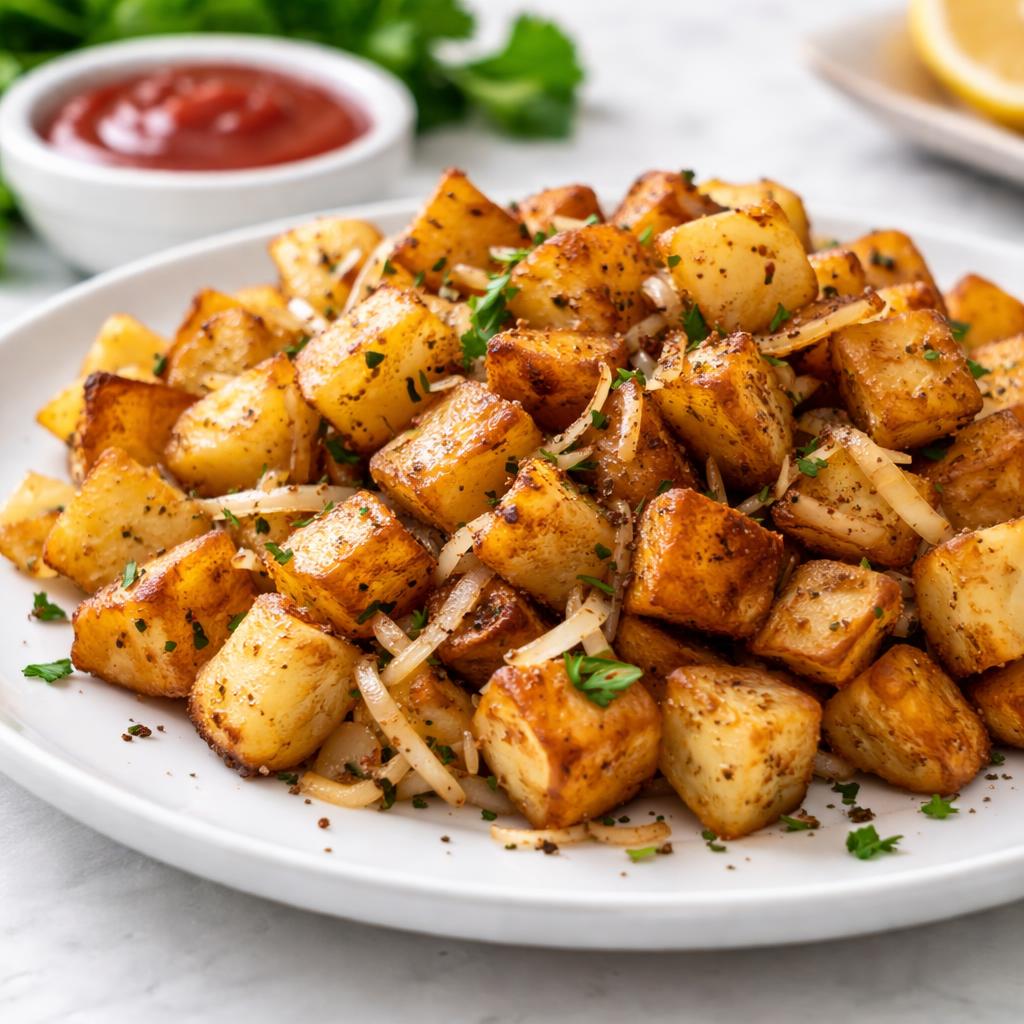
Home Fries
🎯 Quick Verdict
Bread is lower in calories, higher in protein, and provides more fiber compared to home fries, making it ideal for weight management and digestive health. Home fries, however, offer higher vitamin and mineral content, along with healthy fats from cooking oil, making them better for energy and heart health when eaten in moderation.

Smart Nutrition Tracking with SnapCalorie

📊 Nutritional Comparison
Macronutrients
| Nutrient | Food 1 | Food 2 | Winner |
|---|---|---|---|
| Calories | 80 per slice | 200 per serving (1 cup) | ✓ |
| Protein | 2g | 1.5g | ✓ |
| Carbs | 15g | 26g | ✓ |
| Fat | 1g | 10g | ✓ |
| Fiber | 1.5g | 2g | ✓ |
Vitamins & Minerals
| Nutrient | Food 1 | Food 2 | Winner |
|---|---|---|---|
| Vitamin C | 0mg | 14mg | ✓ |
| Iron | 0.9mg | 0.7mg | ✓ |
| Potassium | 40mg | 450mg | ✓ |
🏆 Category Winners
Protein
Bread contains slightly more protein, making it better for muscle repair.
Fiber
Home fries have 33% more fiber per serving.
Calories
Bread is lower in calories, offering a lighter option for weight management.
Vitamins
Home fries are rich in vitamin C and potassium, essential for energy and immunity.
🥗 Diet Compatibility
Keto
Food 1: Not Compatible
Food 2: Not Compatible
Both have high carbohydrate content.
Vegan
Food 1: Compatible
Food 2: Compatible
Both foods are plant-based.
Gluten Free
Food 1: Not Compatible
Food 2: Compatible
Bread contains gluten while home fries are gluten-free.
Paleo
Food 1: Not Compatible
Food 2: Compatible
Bread is processed, whereas home fries are natural and paleo-friendly.
Low-Carb
Food 1: Not Compatible
Food 2: Not Compatible
Both foods are high in carbohydrates; neither fits low-carb diets.
💪 Health Benefits Comparison
Food 1 Benefits
- Low-calorie option for weight management
- Source of protein for muscle support
- Provides iron for better oxygen transport
Food 2 Benefits
- High in potassium to support hydration and muscle function
- Rich in vitamin C for immune health
- Healthy fats for sustained energy when prepared with quality oil
✅ The Bottom Line
Choose bread if you're looking for a lower-calorie, protein-rich option for weight management or a quick energy boost. Opt for home fries when you need higher vitamin content, minerals, or a more filling side dish suitable for paleo or gluten-free diets.
Choose Food 1 for: Weight management, light meals, protein and iron boost
Choose Food 2 for: Energy boost, heart health, paleo/gluten-free diets


