Bread VS Hard Boiled Eggs
A detailed nutritional comparison
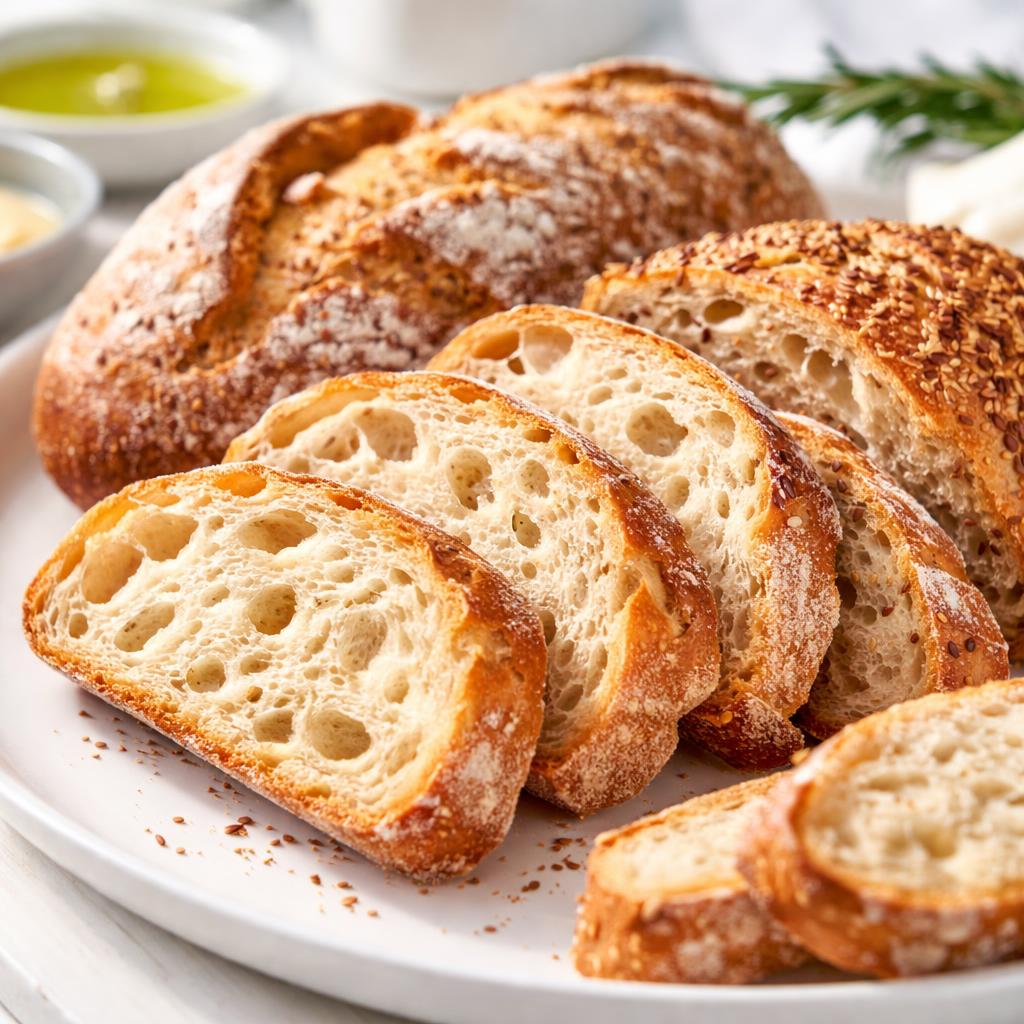
Bread

Hard Boiled Eggs
🎯 Quick Verdict
Bread and hard-boiled eggs both offer distinct advantages. Bread is higher in fiber and carbohydrates, making it a better choice for energy and digestion. Hard-boiled eggs excel in protein, healthy fats, and lower calorie density, making them better for fitness enthusiasts or low-carb diets. Both foods serve unique nutritional purposes based on dietary needs.

Smart Nutrition Tracking with SnapCalorie

📊 Nutritional Comparison
Macronutrients
| Nutrient | Food 1 | Food 2 | Winner |
|---|---|---|---|
| Calories | 80 (per slice) | 68 (per egg) | ✓ |
| Protein | 3g | 6g | ✓ |
| Carbs | 15g | 0.6g | ✓ |
| Fat | 1g | 5g | ✓ |
| Fiber | 1g | 0g | ✓ |
Vitamins & Minerals
| Nutrient | Food 1 | Food 2 | Winner |
|---|---|---|---|
| Vitamin D | 0mcg | 1.1mcg | ✓ |
| Calcium | 75mg | 25mg | ✓ |
| Iron | 0.7mg | 0.6mg | ✓ |
🏆 Category Winners
Protein
Hard-boiled eggs contain twice as much protein per serving.
Fiber
Bread provides 1g of dietary fiber per slice, while eggs contain none.
Calories
Eggs have slightly fewer calories per serving compared to bread.
🥗 Diet Compatibility
Keto
Food 1: Not Compatible
Food 2: Compatible
Eggs are low-carb with only 0.6g of carbohydrates per serving.
Vegan
Food 1: Compatible
Food 2: Not Compatible
Bread is plant-based while eggs are animal-derived.
Gluten Free
Food 1: Not Compatible
Food 2: Compatible
Standard bread contains gluten, while eggs are naturally gluten-free.
Paleo
Food 1: Not Compatible
Food 2: Compatible
Eggs fit into paleo diets, but bread does not due to its processed nature.
Low Carb
Food 1: Not Compatible
Food 2: Compatible
Eggs are low-carb (0.6g), while bread is high-carb (15g per serving).
💪 Health Benefits Comparison
Food 1 Benefits
- Provides energy from carbohydrates for daily activities
- Contains fiber to improve digestion and gut health
- Fortified breads often contain added vitamins and minerals (e.g., B vitamins)
Food 2 Benefits
- High in protein to support muscle repair and maintenance
- Good source of healthy fats for cardiovascular health
- Contains Vitamin D, beneficial for bone health and immunity
- Low in carbohydrates, suitable for weight management or low-carb diets
✅ The Bottom Line
Both bread and hard-boiled eggs have unique strengths. Choose bread when prioritizing energy and fiber, or hard-boiled eggs for protein, healthy fats, and lower carbohydrates. The choice depends on individual goals and dietary preferences.
Choose Food 1 for: Quick energy, digestion, standard vegan diets
Choose Food 2 for: Low-carb, high-protein diets, paleo, post-workout meals


