Bread VS Hamburger
A detailed nutritional comparison

Bread
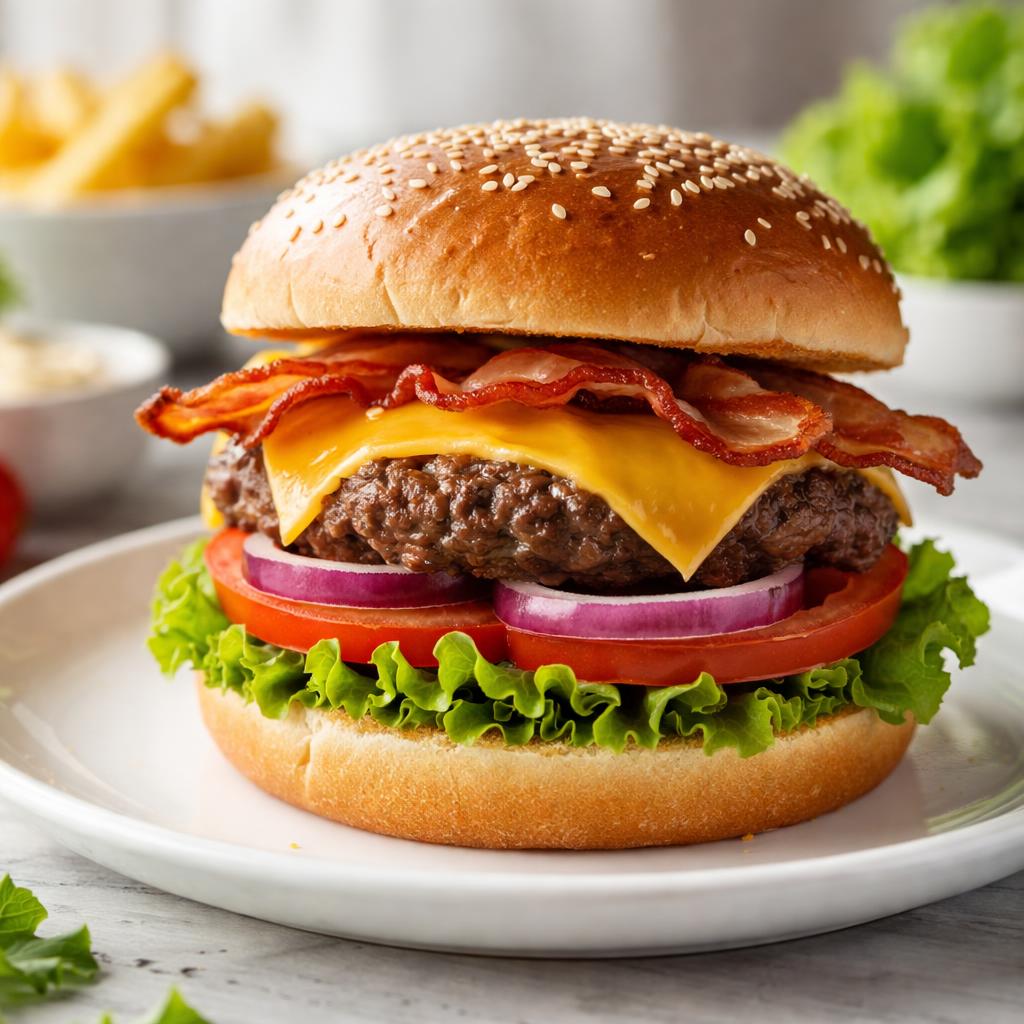
Hamburger
🎯 Quick Verdict
Hamburger is a better source of protein and essential nutrients like iron and vitamin B12, making it ideal for muscle support and general nutrition. Bread is lower in calories and provides more fiber, which can aid digestion and be suitable for lighter meals or snacks. Choosing between these depends on health goals like weight management or nutrient density priorities.

Smart Nutrition Tracking with SnapCalorie

📊 Nutritional Comparison
Macronutrients
| Nutrient | Food 1 | Food 2 | Winner |
|---|---|---|---|
| Calories | 80 | 250 | − |
| Protein | 3g | 18g | − |
| Carbs | 14g | 0g | − |
| Fat | 1g | 17g | − |
| Fiber | 2g | 0g | − |
Vitamins & Minerals
| Nutrient | Food 1 | Food 2 | Winner |
|---|---|---|---|
| Vitamin B12 | 0mcg | 2.5mcg | − |
| Iron | 0.5mg | 2mg | − |
| Calcium | 40mg | 10mg | − |
| Zinc | 0mg | 3mg | − |
🏆 Category Winners
Protein
Hamburger has 500% more protein per serving compared to bread.
Fiber
Bread provides dietary fiber while hamburger has none.
Calories
Bread has approximately 70% fewer calories per serving.
Vitamins
Hamburger contains higher levels of key nutrients like vitamin B12 and iron.
🥗 Diet Compatibility
Keto
Food 1: Not Compatible
Food 2: Compatible
Hamburger is low-carb, while bread is high in carbohydrates.
Vegan
Food 1: Compatible
Food 2: Not Compatible
Bread is plant-based whereas hamburger contains animal products.
Gluten Free
Food 1: Not Compatible
Food 2: Compatible
Bread typically contains gluten, while hamburger can be gluten-free depending on preparation.
Paleo
Food 1: Not Compatible
Food 2: Partially Compatible
Hamburger aligns with paleo principles if unprocessed, but bread does not.
Low Carb
Food 1: Not Compatible
Food 2: Compatible
Hamburger has 0g of carbs, while bread has 14g.
💪 Health Benefits Comparison
Food 1 Benefits
- Provides dietary fiber to aid digestion
- Low in calories, suitable for weight management
- Plant-based and versatile for different meals
Food 2 Benefits
- Rich in protein for muscle repair and maintenance
- High in iron and B12 for energy and red blood cell production
- Contains healthy fats depending on preparation for brain and heart health
✅ The Bottom Line
Choose bread if you're aiming for a lower-calorie, higher-carb/fiber option that's plant-based and versatile for snacks or sides. Opt for hamburger when you need a high-protein, nutrient-dense choice suitable for meals focused on satiety and nutrition like post-workout or iron-rich diets.
Choose Food 1 for: Weight management, digestive health, plant-based diets
Choose Food 2 for: Muscle building, iron/B12-rich diets, keto/low-carb plans


