Bread VS Green Onions
A detailed nutritional comparison
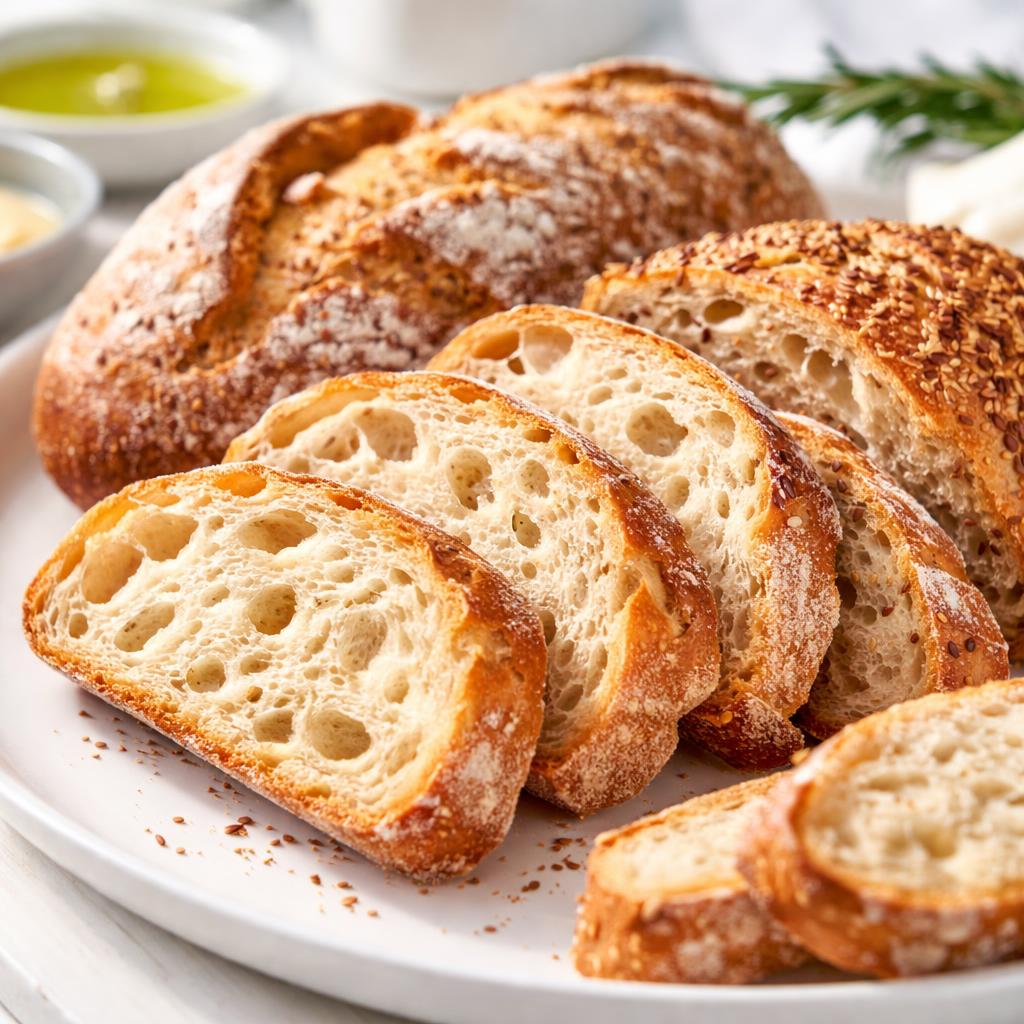
Bread
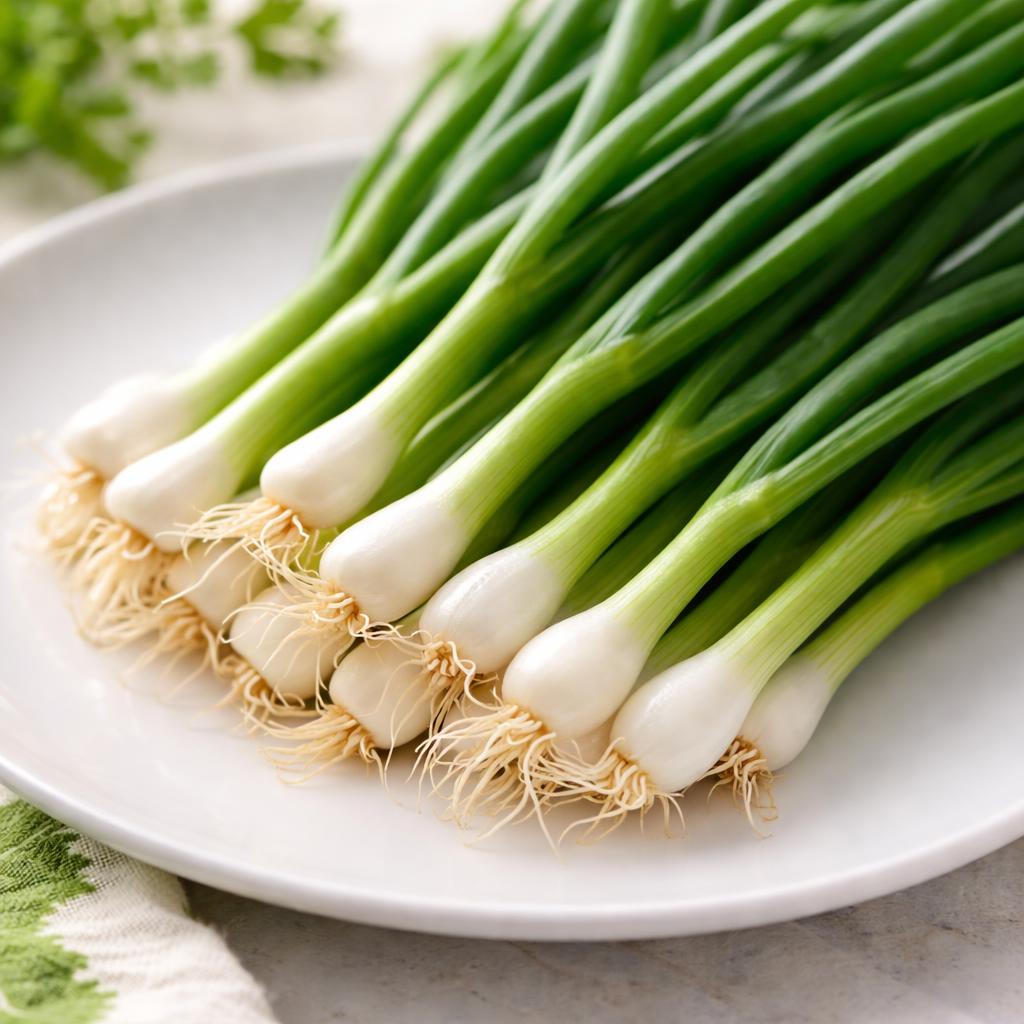
Green Onions
🎯 Quick Verdict
While bread offers more protein and calories, green onions excel in fiber, lower calorie density, and vitamin content. Bread is beneficial for energy and meal construction, while green onions are ideal for enhancing dishes with nutrients and flavor without adding significant calories.

Smart Nutrition Tracking with SnapCalorie

📊 Nutritional Comparison
Macronutrients
| Nutrient | Food 1 | Food 2 | Winner |
|---|---|---|---|
| Calories | 80 (per 30g slice) | 32 (per 50g serving) | ✓ |
| Protein | 2.7g | 0.8g | ✓ |
| Carbs | 15g | 7g | ✓ |
| Fat | 0.6g | 0.2g | ✓ |
| Fiber | 0.8g | 1.6g | ✓ |
Vitamins & Minerals
| Nutrient | Food 1 | Food 2 | Winner |
|---|---|---|---|
| Vitamin A | 0mcg | 186mcg | ✓ |
| Vitamin C | 0mg | 18.8mg | ✓ |
| Vitamin K | 0mcg | 47mcg | ✓ |
| Calcium | 37mg | 42mg | ✓ |
| Iron | 0.9mg | 0.36mg | ✓ |
🏆 Category Winners
Protein
Bread provides 230% more protein per serving.
Fiber
Green onions offer double the fiber compared to bread.
Calories
Green onions contain less than half the calories per serving.
Vitamins
Green onions are rich in Vitamin A, Vitamin C, and Vitamin K, which bread lacks.
🥗 Diet Compatibility
Keto
Food 1: Not Compatible
Food 2: Compatible
Bread is high-carb, while green onions are low-carb and keto-friendly.
Vegan
Food 1: Compatible
Food 2: Compatible
Both foods are plant-based and suitable for a vegan diet.
Gluten Free
Food 1: Not Compatible
Food 2: Compatible
Bread typically contains gluten, while green onions are naturally gluten-free.
Paleo
Food 1: Not Compatible
Food 2: Compatible
Bread is processed, while green onions fit the whole-food paleo guidelines.
Low Carb
Food 1: Not Compatible
Food 2: Compatible
Green onions are low in carbohydrates, while bread is carb-heavy.
💪 Health Benefits Comparison
Food 1 Benefits
- Provides sustained energy from carbohydrates
- Offers moderate protein for meal balance
- Convenient for creating complete meals like sandwiches
Food 2 Benefits
- Rich in antioxidants, including Vitamin C, boosting immunity
- Supports bone health through Vitamin K
- Low calorie option for weight management
- Contains compounds that may promote heart health
✅ The Bottom Line
Choose bread for energy, moderate protein, and meal-building versatility, especially for individuals needing higher caloric intake. Opt for green onions for nutrient density, fewer calories, and enhancing flavor in dishes, particularly if weight loss or a low-carb diet is a focus.
Choose Food 1 for: Energy boost, meal centerpiece (e.g., sandwiches), moderate protein addition
Choose Food 2 for: Low-calorie diets, nutrient enhancement, immune support, heart health


