Bread VS Focaccia
A detailed nutritional comparison
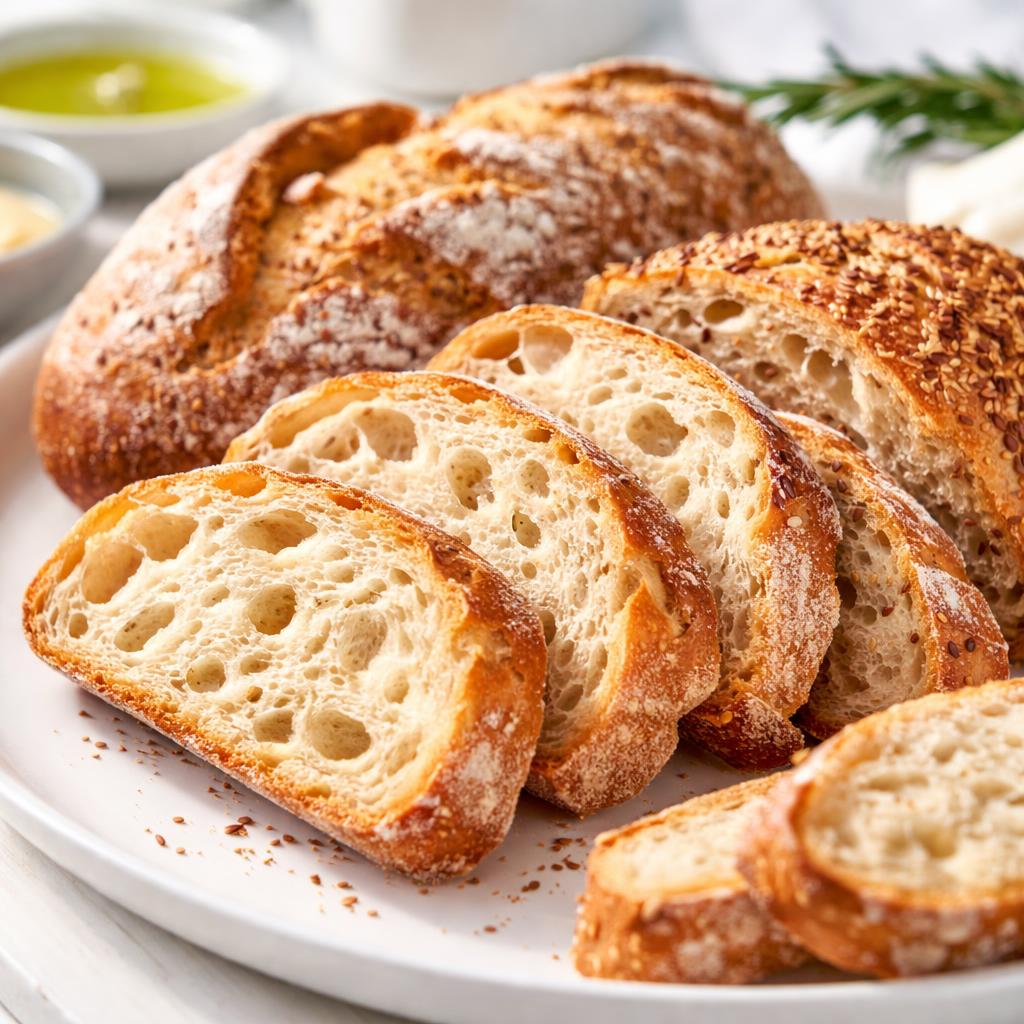
Bread
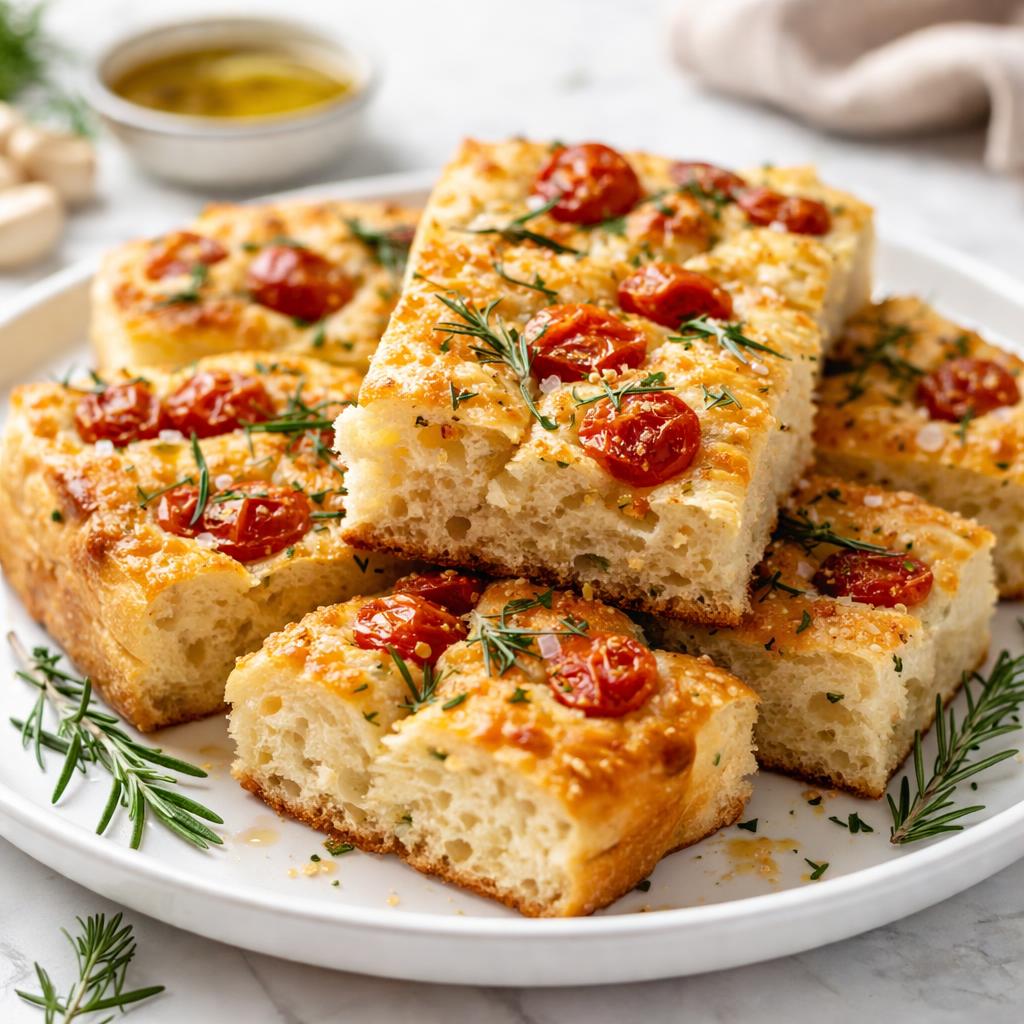
Focaccia
🎯 Quick Verdict
Bread is generally lower in calories, protein, and fiber than focaccia, making it a lighter choice. Focaccia tends to have more fat due to added oil, and it is more flavorful, ideal for pairing with hearty meals. Bread is better for weight management and general-purpose eating, while focaccia is a rich, gourmet option suitable for special occasions or recipes requiring extra flavor depth.

Smart Nutrition Tracking with SnapCalorie

📊 Nutritional Comparison
Macronutrients
| Nutrient | Food 1 | Food 2 | Winner |
|---|---|---|---|
| Calories | 80 per slice | 150 per slice | ✓ |
| Protein | 3g | 2.5g | ✓ |
| Carbs | 15g | 20g | ✓ |
| Fat | 1g | 6g | ✓ |
| Fiber | 1g | 0.5g | ✓ |
Vitamins & Minerals
| Nutrient | Food 1 | Food 2 | Winner |
|---|---|---|---|
| Vitamin D | 0mcg | 0mcg | − |
| Calcium | 20mg | 10mg | ✓ |
| Iron | 0.5mg | 0.3mg | ✓ |
🏆 Category Winners
Protein
Bread has 20% more protein per serving compared to focaccia.
Fiber
Bread offers twice the amount of fiber per serving.
Calories
Bread is nearly 50% lower in calories per slice, making it a lighter option.
Vitamins
Bread provides more calcium and iron.
🥗 Diet Compatibility
Keto
Food 1: Not Compatible
Food 2: Not Compatible
Both contain high levels of carbohydrates.
Vegan
Food 1: Compatible
Food 2: Compatible
Standard versions of both bread and focaccia are plant-based.
Gluten Free
Food 1: Not Compatible
Food 2: Not Compatible
Neither is suitable for gluten-free diets unless made with gluten-free flour.
Paleo
Food 1: Not Compatible
Food 2: Not Compatible
Both contain grains, which are excluded from paleo diets.
Low-Carb
Food 1: Not Compatible
Food 2: Not Compatible
Both have significant carbohydrate contents.
💪 Health Benefits Comparison
Food 1 Benefits
- Lower in calories, better for weight management
- Provides a modest amount of fiber to support digestion
- Good source of basic minerals like calcium and iron
Food 2 Benefits
- Rich in healthy fats from olive oil, supporting heart health
- Flavorful and satisfying, ideal for gourmet dishes
- Provides small amounts of essential minerals
✅ The Bottom Line
Bread wins for general-purpose eating, weight management, and basic nutrition, making it suitable for everyday meals or sandwiches. Focaccia, with its richer flavor and higher fat content, is better for indulgent or gourmet dishes where taste and texture matter most.
Choose Food 1 for: Weight management, casual meals, sandwiches
Choose Food 2 for: Rich flavor additions, gourmet recipes, hearty pairings


