Bread VS Dill
A detailed nutritional comparison
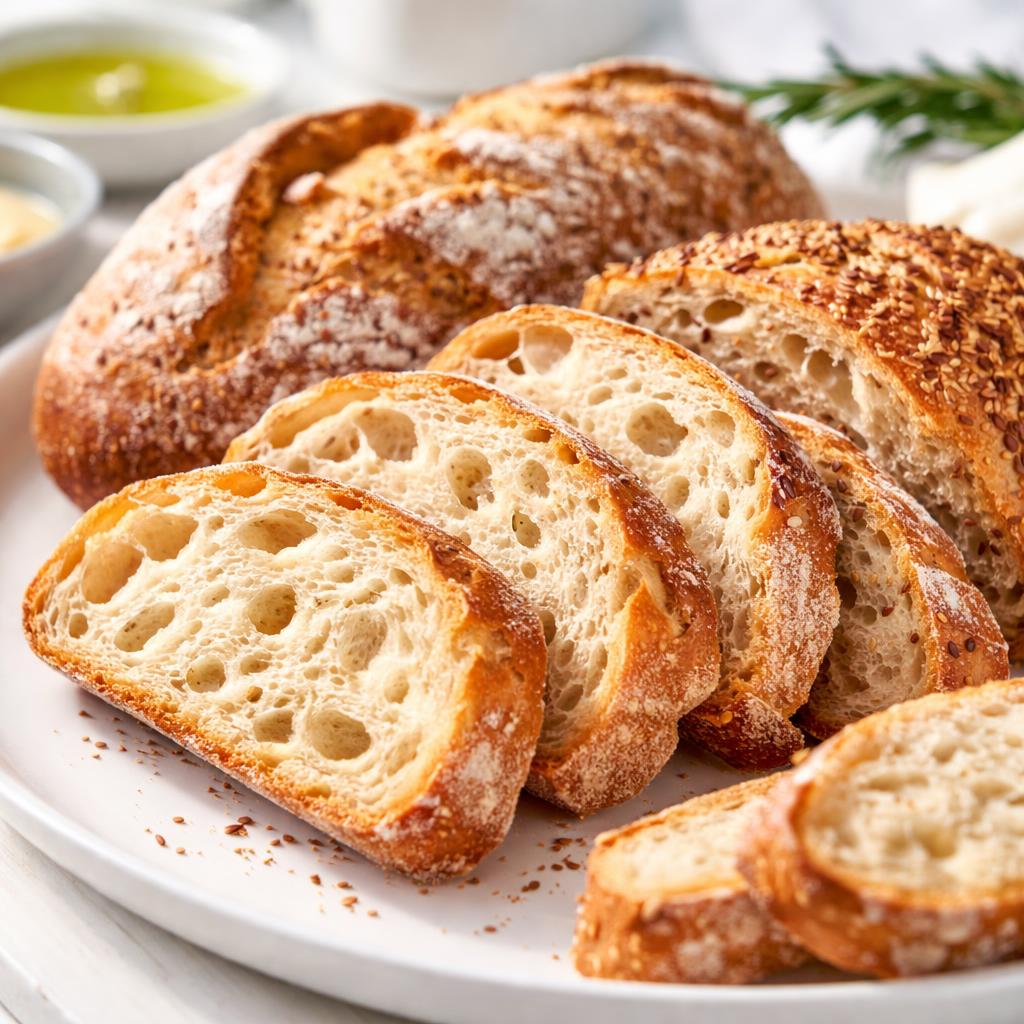
Bread
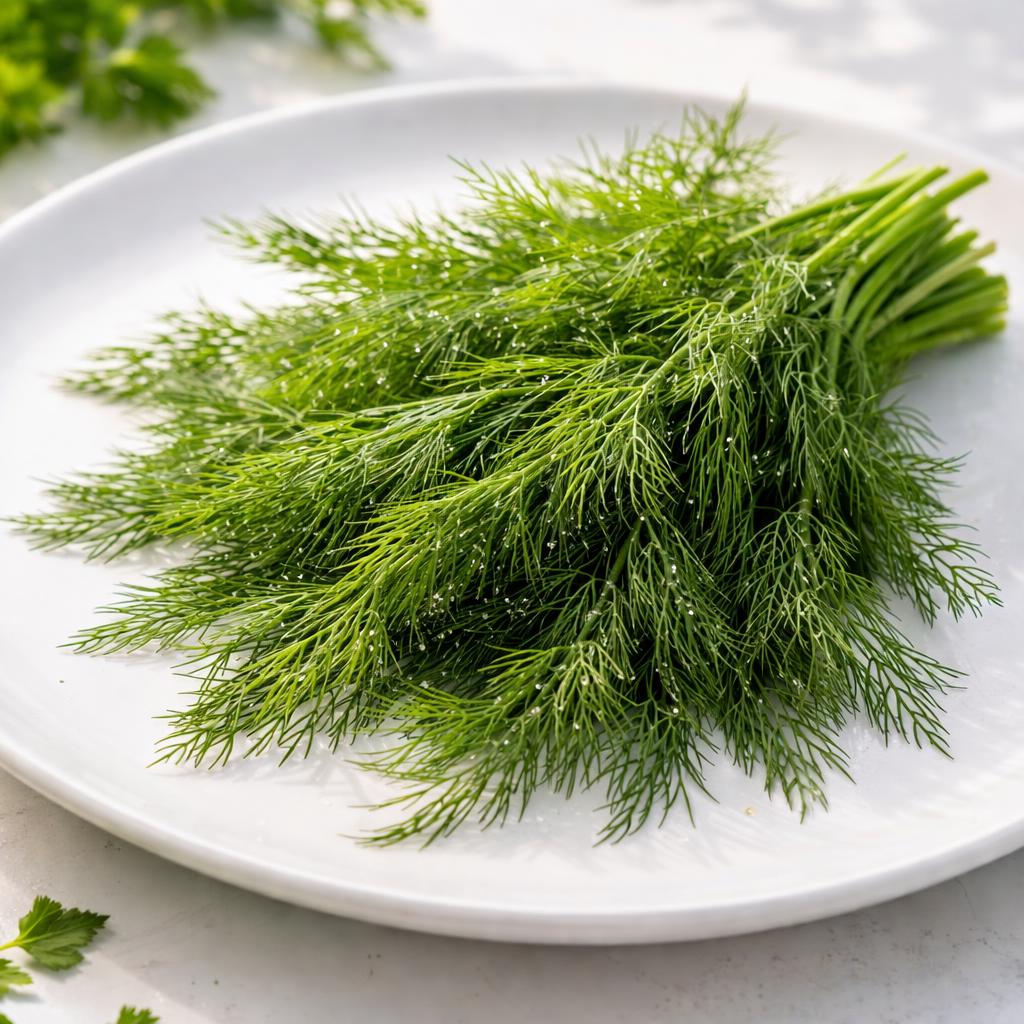
Dill
🎯 Quick Verdict
Bread and dill serve different purposes nutritionally. Bread is a calorie-dense food rich in carbs, protein, and fiber, suitable for energy and satiety. Dill is extremely low in calories but offers beneficial micronutrients and antioxidants, making it a great garnish or seasoning for health-conscious meals.

Smart Nutrition Tracking with SnapCalorie

📊 Nutritional Comparison
Macronutrients
| Nutrient | Food 1 | Food 2 | Winner |
|---|---|---|---|
| Calories | 265 per 100g | 43 per 100g | − |
| Protein | 9g per 100g | 3.5g per 100g | − |
| Carbs | 49g per 100g | 7g per 100g | − |
| Fat | 3.2g per 100g | 1g per 100g | − |
| Fiber | 2.7g per 100g | 2.1g per 100g | − |
Vitamins & Minerals
| Nutrient | Food 1 | Food 2 | Winner |
|---|---|---|---|
| Vitamin C | 0mg | 85mg per 100g | − |
| Calcium | 70mg per 100g | 208mg per 100g | − |
| Iron | 2.6mg per 100g | 6.6mg per 100g | − |
| Vitamin A | 15IU per 100g | 312IU per 100g | − |
🏆 Category Winners
Protein
Bread contains over double the protein of dill per 100g.
Fiber
Bread provides slightly more fiber, aiding digestion.
Calories
Dill has less than 20% of the calories found in bread per 100g, making it ideal for weight management.
Vitamins
Dill is rich in Vitamin C, Vitamin A, calcium, and iron, far outperforming bread in micronutrient density.
🥗 Diet Compatibility
Keto
Food 1: Not Compatible
Food 2: Compatible
Bread is high in carbs, disqualifying it for keto diets, while dill is low-carb.
Vegan
Food 1: Compatible
Food 2: Compatible
Neither bread nor dill contains animal products.
Gluten Free
Food 1: Not Compatible
Food 2: Compatible
Bread contains gluten unless explicitly marked gluten-free, while dill is naturally gluten-free.
Paleo
Food 1: Not Compatible
Food 2: Compatible
Paleo diets exclude processed grains like bread, but dill fits the guidelines.
Low-Carb
Food 1: Not Compatible
Food 2: Compatible
Bread is carbohydrate-rich (49g per 100g) compared to dill's 7g, supporting dill in low-carb diets.
💪 Health Benefits Comparison
Food 1 Benefits
- Provides energy through complex carbohydrates
- Contains protein for muscle repair and maintenance
- Supports digestion with moderate fiber content
Food 2 Benefits
- Rich in antioxidants that protect cells from damage
- Contains Vitamin C for immune health
- Supports bone health with calcium and Vitamin A
✅ The Bottom Line
Bread is suited for individuals in need of energy and satiety, especially during meals or as a workout recovery option. Dill, on the other hand, is ideal for adding flavor and nutrients to dishes without contributing many calories, benefiting those focused on weight management or enhancing micronutrient intake.
Choose Food 1 for: Energy-rich meals, quick snacks, post-workout recovery
Choose Food 2 for: Low-calorie seasoning, weight loss diets, nutrient-dense flavor enhancement


