Bread VS Crab
A detailed nutritional comparison
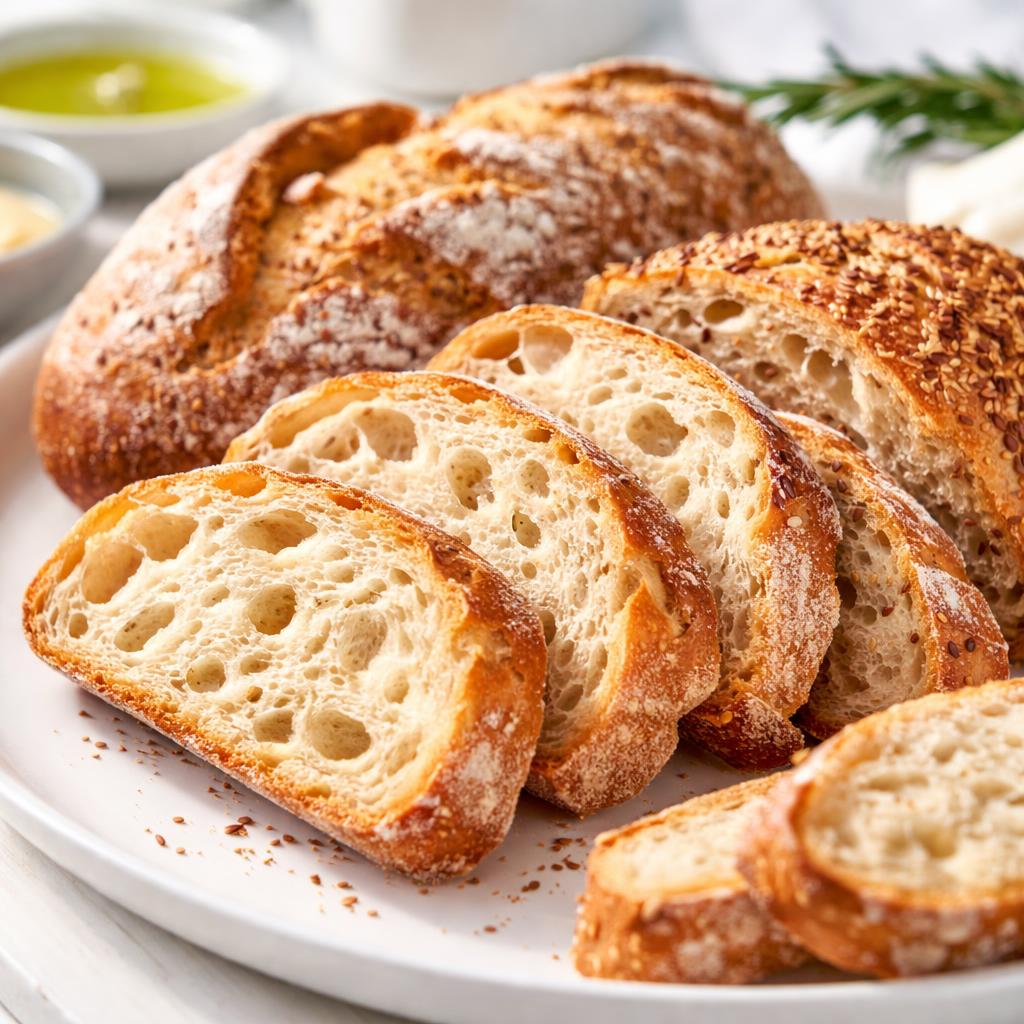
Bread
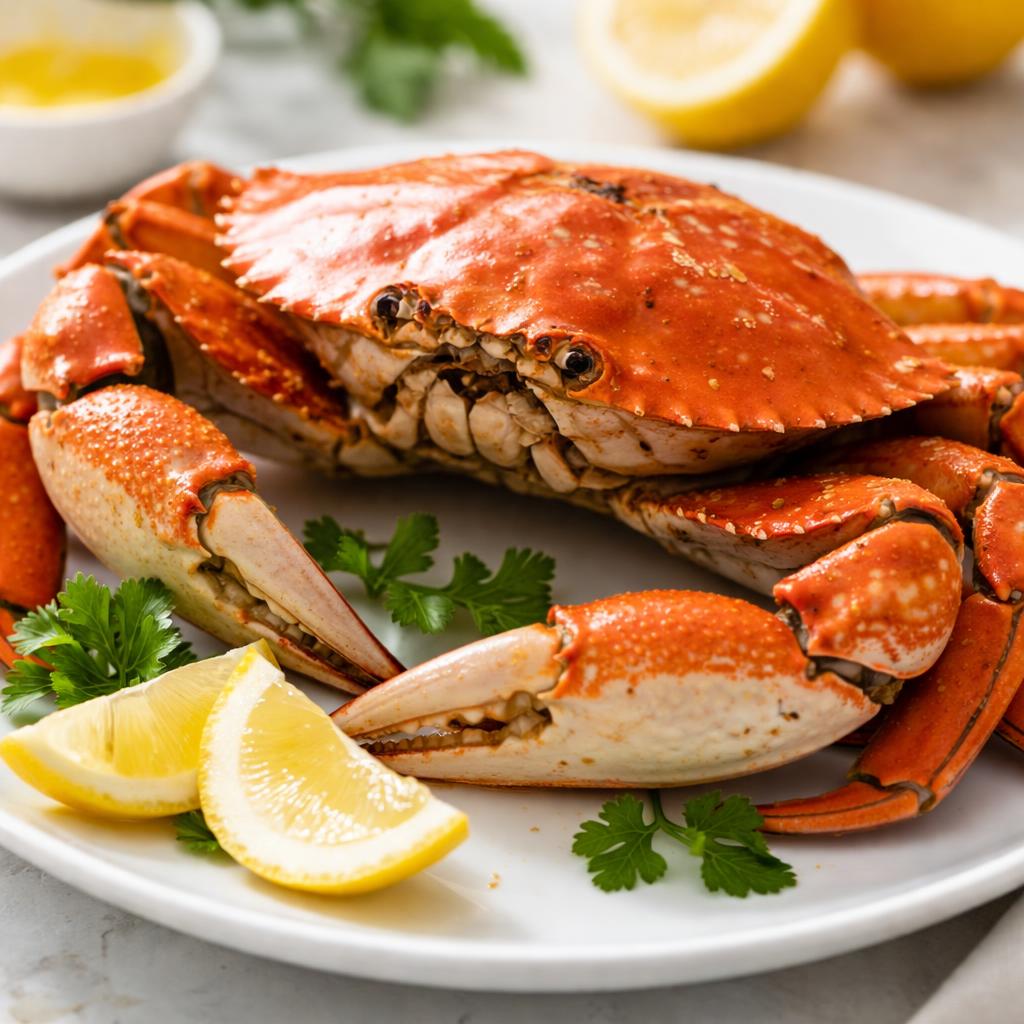
Crab
🎯 Quick Verdict
Crab outshines bread in terms of protein, offering a substantial amount for muscle maintenance and repair. Bread, on the other hand, provides dietary fiber beneficial for digestion and energy from its carbohydrate content. Bread is well-suited for quick meals and energy demands, whereas crab is ideal for high-protein, low-calorie diets and overall nutrient density.

Smart Nutrition Tracking with SnapCalorie

📊 Nutritional Comparison
Macronutrients
| Nutrient | Food 1 | Food 2 | Winner |
|---|---|---|---|
| Calories | 80 | 70 | ✓ |
| Protein | 3g | 15g | ✓ |
| Carbs | 13g | 0g | ✓ |
| Fat | 1g | 0.5g | ✓ |
| Fiber | 1g | 0g | ✓ |
Vitamins & Minerals
| Nutrient | Food 1 | Food 2 | Winner |
|---|---|---|---|
| Vitamin D | 0mcg | 1mcg | ✓ |
| Calcium | 20mg | 60mg | ✓ |
| Iron | 1mg | 0.5mg | ✓ |
🏆 Category Winners
Protein
Crab provides five times more protein per serving compared to bread.
Fiber
Bread contains dietary fiber, which crab lacks entirely.
Calories
Crab has fewer calories, making it a better choice for calorie-conscious diets.
🥗 Diet Compatibility
Keto
Food 1: Not Compatible
Food 2: Compatible
Crab is low-carb and fits into a keto diet, while bread is high in carbohydrates.
Vegan
Food 1: Compatible
Food 2: Not Compatible
Bread is plant-based, while crab is animal-based.
Gluten Free
Food 1: Not Compatible
Food 2: Compatible
Bread typically contains gluten, whereas crab is naturally gluten-free.
Paleo
Food 1: Not Compatible
Food 2: Compatible
Crab aligns with paleo principles while bread does not.
Low Carb
Food 1: Not Compatible
Food 2: Compatible
Bread is high in carbs, while crab is low-carb.
💪 Health Benefits Comparison
Food 1 Benefits
- Provides energy from carbohydrates
- Contains fiber for digestive health
- Fortified with essential vitamins in some varieties
Food 2 Benefits
- Rich in protein for muscle repair
- Low in calories to support weight loss
- Good source of minerals like calcium and selenium for bone health and antioxidant protection
✅ The Bottom Line
Crab is a nutrient-dense food with high protein content and fewer calories, suitable for weight loss and high-protein diets. Bread is ideal for quick energy and digestion support through its carbohydrate and fiber content. Choose crab for nutrient density and weight loss goals, or bread for energy during physical activity or as part of a balanced meal.
Choose Food 1 for: Quick energy, digestion, budget-friendly meals
Choose Food 2 for: Weight loss, muscle repair, nutrient density


