Bread VS Corn
A detailed nutritional comparison
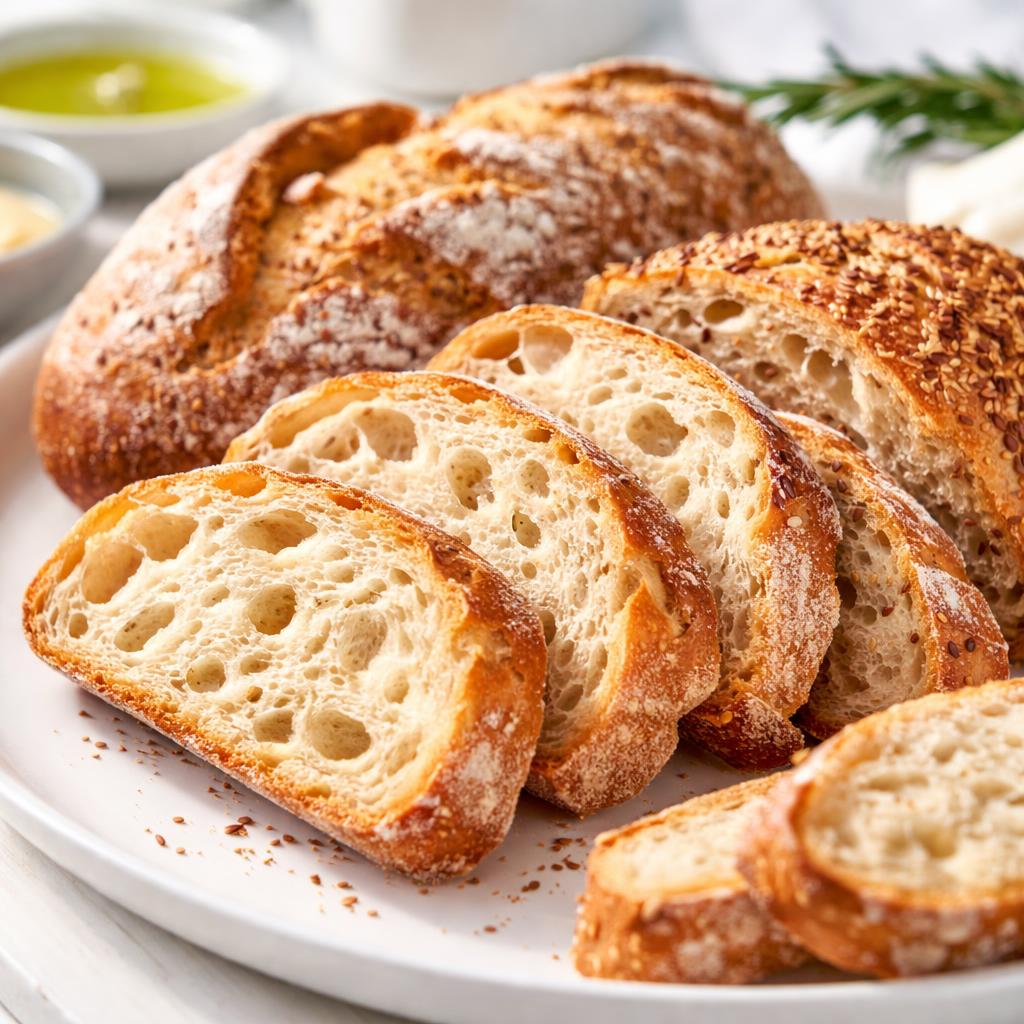
Bread
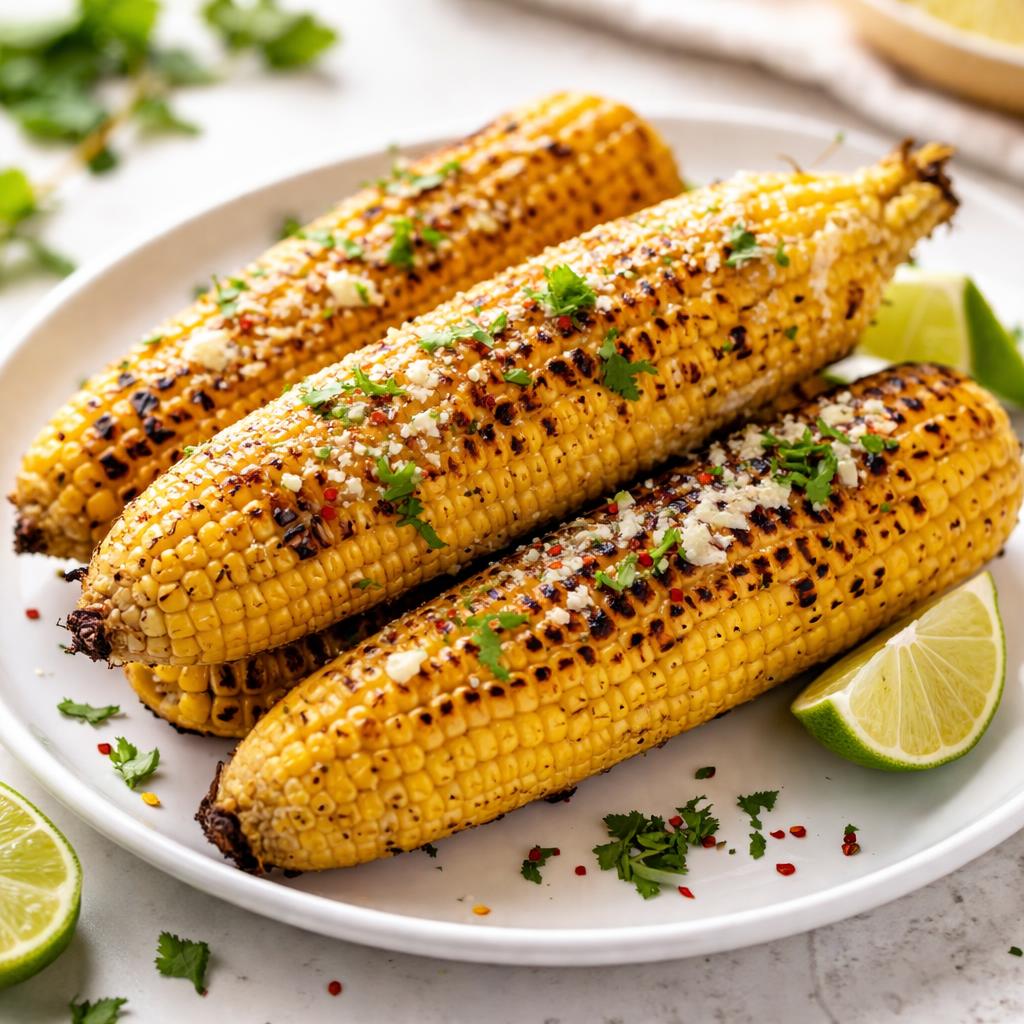
Corn
🎯 Quick Verdict
Bread provides higher protein and iron content, making it a good option for muscle maintenance and energy. Corn is lower in calories, higher in fiber, and contains more vitamins, making it a more nutrient-dense, filling choice. Choose bread for convenience and protein, while corn is best for a lighter, nutrient-rich side dish or snack.

Smart Nutrition Tracking with SnapCalorie

📊 Nutritional Comparison
Macronutrients
| Nutrient | Food 1 | Food 2 | Winner |
|---|---|---|---|
| Calories | 265 | 96 | ✓ |
| Protein | 9g | 3.4g | ✓ |
| Carbs | 49g | 21g | ✓ |
| Fat | 3.2g | 1.5g | ✓ |
| Fiber | 2.7g | 2.9g | ✓ |
Vitamins & Minerals
| Nutrient | Food 1 | Food 2 | Winner |
|---|---|---|---|
| Vitamin A | 0mcg | 187mcg | ✓ |
| Vitamin C | 0mg | 7mg | ✓ |
| Iron | 3.6mg | 0.5mg | ✓ |
| Magnesium | 22mg | 37mg | ✓ |
🏆 Category Winners
Protein
Bread provides nearly three times the protein of corn per serving.
Fiber
Corn contains slightly more fiber, aiding in digestion.
Calories
Corn is significantly lower in calories, about 64% fewer than bread.
Vitamins
Corn delivers more vitamins and minerals, particularly vitamin A and vitamin C.
🥗 Diet Compatibility
Keto
Food 1: Not Compatible
Food 2: Not Compatible
Both are high in carbohydrates.
Vegan
Food 1: Compatible
Food 2: Compatible
Both foods are plant-based and suitable for vegans.
Gluten Free
Food 1: Not Compatible
Food 2: Compatible
Bread contains gluten, while corn is naturally gluten-free.
Paleo
Food 1: Not Compatible
Food 2: Compatible
Corn aligns with paleo guidelines, but bread does not due to its processed nature.
Low Carb
Food 1: Not Compatible
Food 2: Not Compatible
Both foods are high in carbohydrates and not suitable for low-carb diets.
💪 Health Benefits Comparison
Food 1 Benefits
- High in protein for muscle maintenance
- Good source of iron for oxygen transport in the body
- Provides quick energy due to its carbohydrate content
Food 2 Benefits
- Rich in fiber, supporting digestive health
- Contains antioxidants that may reduce inflammation
- Provides vitamin A and C for immune support and vision
✅ The Bottom Line
Bread is better for those seeking a high-protein option for sandwiches or quick energy, while corn is a lighter, fiber-rich, vitamin-packed alternative that is naturally gluten-free and more versatile in recipes. Both have clear advantages depending on your dietary goals.
Choose Food 1 for: High-protein meals, sandwich base, energy replenishment
Choose Food 2 for: Low-calorie meals, nutrient-dense snacks, gluten-free diets


