Bread VS Coleslaw
A detailed nutritional comparison
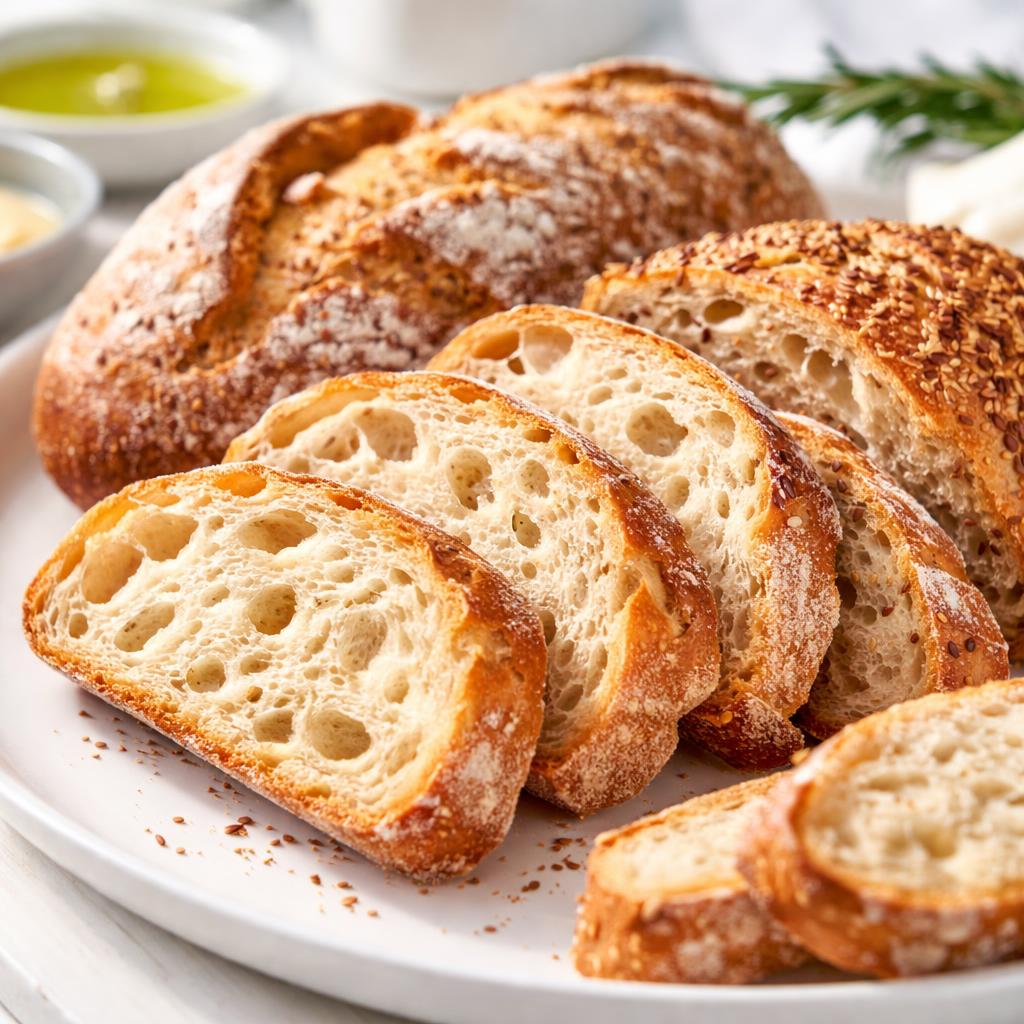
Bread
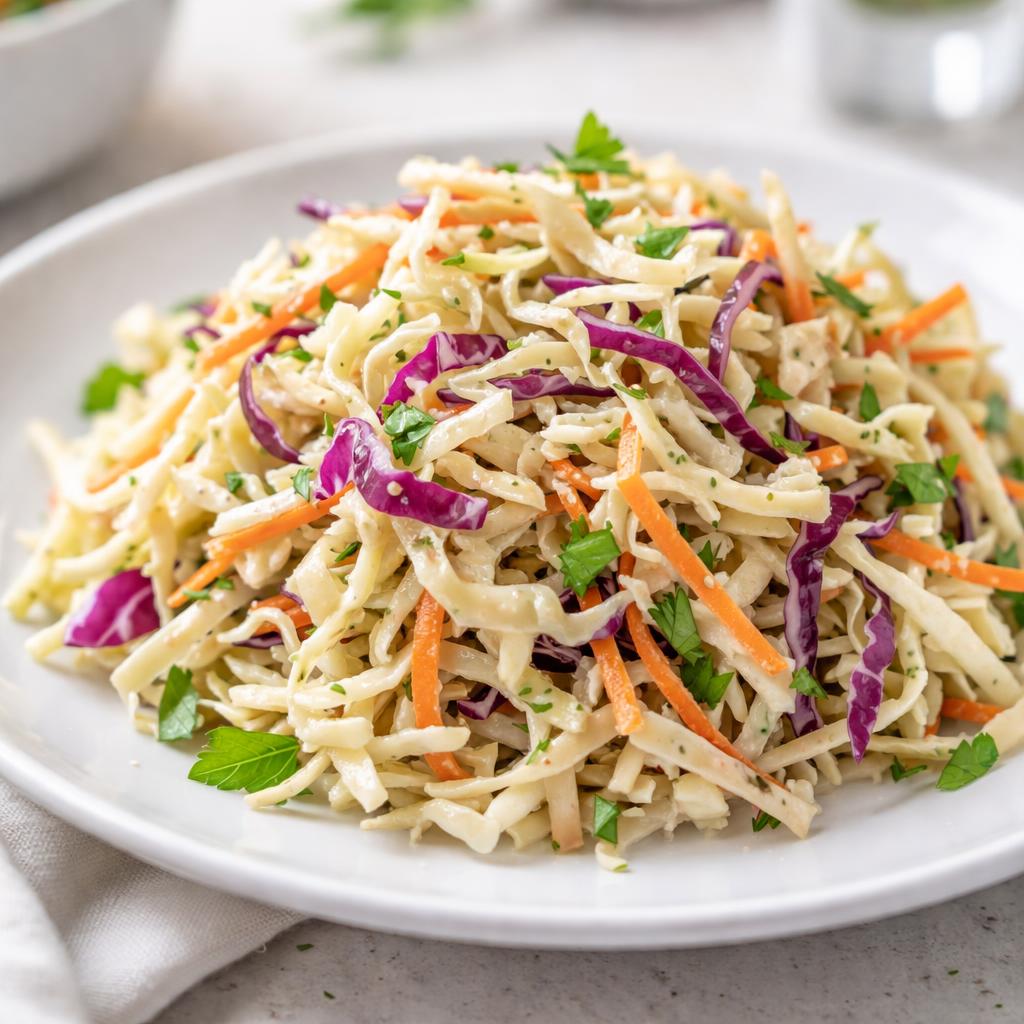
Coleslaw
🎯 Quick Verdict
Bread offers more protein and fiber per serving, making it a better option for building muscle and aiding digestion. Coleslaw is lower in calories and contains healthy fats and vitamins like Vitamin K due to its mayonnaise and cabbage content, which are beneficial for heart and bone health. Bread is suited for energy and satiety, while coleslaw works well as a light side dish rich in vegetables and antioxidants.

Smart Nutrition Tracking with SnapCalorie

📊 Nutritional Comparison
Macronutrients
| Nutrient | Food 1 | Food 2 | Winner |
|---|---|---|---|
| Calories | 150 per slice | 100 per 100g | ✓ |
| Protein | 5g per slice | 1g per 100g | ✓ |
| Carbs | 28g per slice | 8g per 100g | ✓ |
| Fat | 1g per slice | 6g per 100g | ✓ |
| Fiber | 2g per slice | 1g per 100g | ✓ |
Vitamins & Minerals
| Nutrient | Food 1 | Food 2 | Winner |
|---|---|---|---|
| Vitamin K | 1mcg per slice | 60mcg per 100g | ✓ |
| Vitamin C | 0mg per slice | 25mg per 100g | ✓ |
| Calcium | 120mg per slice | 25mg per 100g | ✓ |
| Iron | 1mg per slice | 0.2mg per 100g | ✓ |
🏆 Category Winners
Protein
Bread has significantly more protein, with 5g per slice compared to just 1g in coleslaw.
Fiber
Bread provides double the fiber (2g per slice) compared to coleslaw (1g per 100g).
Calories
Coleslaw contains 33% fewer calories than bread per serving.
Vitamins
Coleslaw is richer in vitamins, particularly Vitamin K and Vitamin C, making it more nutrient-dense in this category.
🥗 Diet Compatibility
Keto
Food 1: Not Compatible
Food 2: Compatible
Food1 is high-carb, while food2 is low-carb with only 8g per serving.
Vegan
Food 1: Compatible (if no milk added)
Food 2: Not Compatible (contains mayo)
Bread can be vegan depending on recipe; coleslaw typically includes egg-based mayonnaise.
Gluten Free
Food 1: Not Compatible
Food 2: Compatible
Bread contains gluten unless made with gluten-free flour; coleslaw is naturally gluten-free.
Paleo
Food 1: Not Compatible
Food 2: Not Compatible
Bread contains grains, and coleslaw includes processed mayonnaise, so neither adheres to paleo principles.
Low-Carb
Food 1: Not Compatible
Food 2: Compatible
Coleslaw fits the low-carb diet with only 8g of carbs per serving, while bread is high in carbs.
💪 Health Benefits Comparison
Food 1 Benefits
- Good source of energy due to carbohydrates
- Provides protein for muscle repair
- Contains fiber for digestive health
Food 2 Benefits
- Rich in Vitamin C for immune support
- High in Vitamin K for bone health and blood clotting
- Contains healthy fats from mayonnaise for heart health
✅ The Bottom Line
Choose bread for protein, fiber, and energy needs, especially as part of a high-carb meal or for sustained satiety. Opt for coleslaw if seeking a lower-calorie side dish rich in vegetables, antioxidants, and healthy fats. Both foods serve different dietary purposes depending on your goals.
Choose Food 1 for: Health-conscious carb consumption, protein boosts, meals requiring satiety
Choose Food 2 for: Light side dishes, nutrient density, low-calorie diets


