Bread VS Cheese Stick
A detailed nutritional comparison
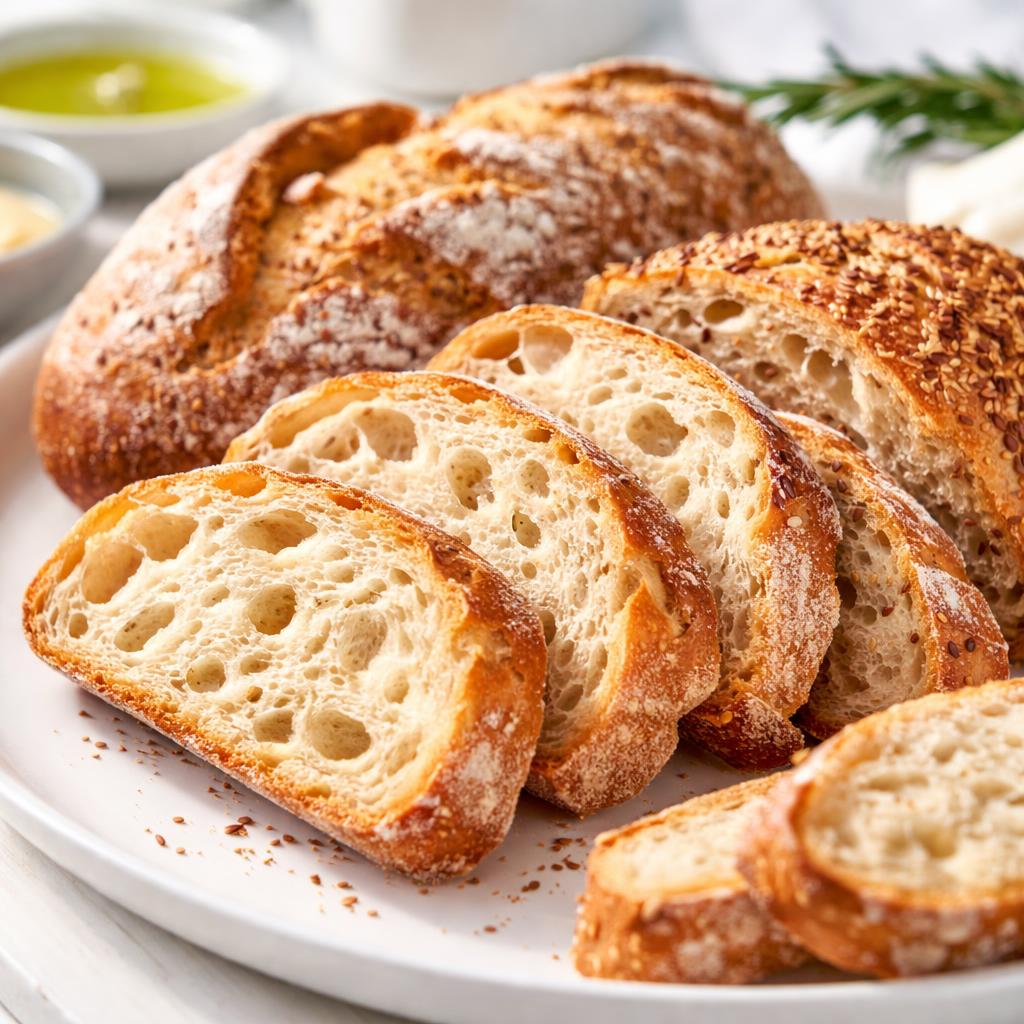
Bread
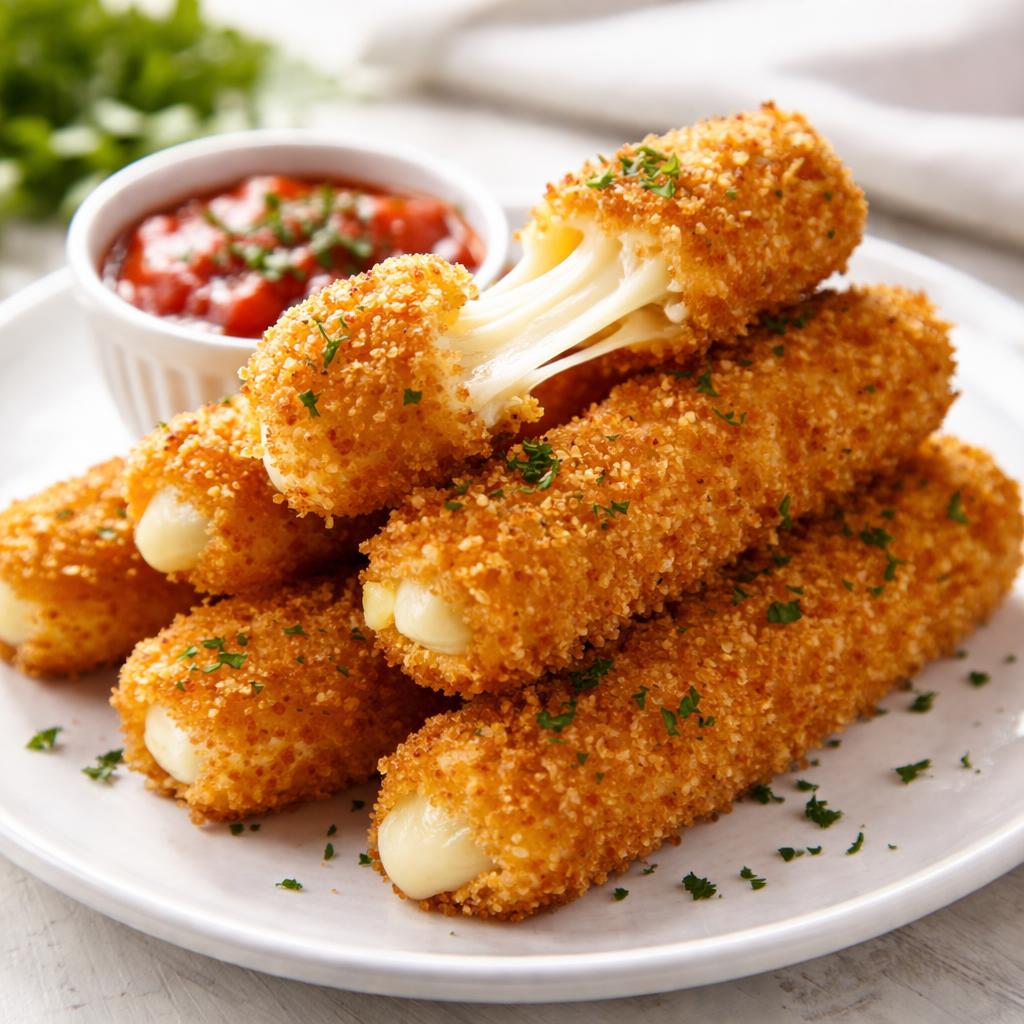
Cheese Stick
🎯 Quick Verdict
Bread and cheese sticks have distinctly different nutritional profiles. Bread is higher in carbohydrates and fiber, making it great for energy and digestion, while cheese sticks are higher in protein and lower in calories, ideal for muscle health and weight management. Choose based on your dietary priorities and goals.

Smart Nutrition Tracking with SnapCalorie

📊 Nutritional Comparison
Macronutrients
| Nutrient | Food 1 | Food 2 | Winner |
|---|---|---|---|
| Calories | 80 | 70 | ✓ |
| Protein | 3g | 7g | ✓ |
| Carbs | 15g | 1g | ✓ |
| Fat | 1g | 6g | ✓ |
| Fiber | 1.5g | 0g | ✓ |
Vitamins & Minerals
| Nutrient | Food 1 | Food 2 | Winner |
|---|---|---|---|
| Vitamin D | 0mcg | 0.8mcg | ✓ |
| Calcium | 20mg | 200mg | ✓ |
| Iron | 0.8mg | 0.1mg | ✓ |
🏆 Category Winners
Protein
Cheese sticks contain over twice as much protein compared to bread, making them better for muscle building.
Fiber
Bread contains fiber (1.5g per serving), helpful for digestion, while cheese sticks have none.
Calories
Cheese sticks are slightly lower in calories (70 vs 80 per serving).
🥗 Diet Compatibility
Keto
Food 1: Not Compatible
Food 2: Compatible
Bread is high in carbs (15g), while cheese sticks are low-carb (1g).
Vegan
Food 1: Compatible
Food 2: Not Compatible
Bread is plant-based, whereas cheese sticks are dairy-based.
Gluten Free
Food 1: Not Compatible
Food 2: Compatible
Bread usually contains gluten unless specially made gluten-free.
Paleo
Food 1: Not Compatible
Food 2: Compatible
Bread is processed and typically grains-based, while cheese sticks (as dairy) are closer to a paleo-compatible food.
Low Carb
Food 1: Not Compatible
Food 2: Compatible
15g carbs in bread compared to 1g in cheese sticks makes food2 suitable for low-carb diets like keto.
💪 Health Benefits Comparison
Food 1 Benefits
- Provides quick energy from carbohydrates
- Contains fiber for improved digestion
- Source of iron to support oxygen transport in the body
Food 2 Benefits
- High in protein to support muscle growth and repair
- Rich in calcium for strong bones and teeth
- Lower in carbs and calories, suiting weight management
✅ The Bottom Line
Bread excels in providing carbohydrates and fiber, making it suitable for energy and digestion-focused meals. Cheese sticks are protein-rich, low-carb, and lower in calories, ideal for muscle building and keto diets. Select based on your dietary goals and meal context.
Choose Food 1 for: Energy boost, digestion, iron intake
Choose Food 2 for: Low-carb diets, muscle maintenance, calcium intake


