Bread VS Cheddar
A detailed nutritional comparison
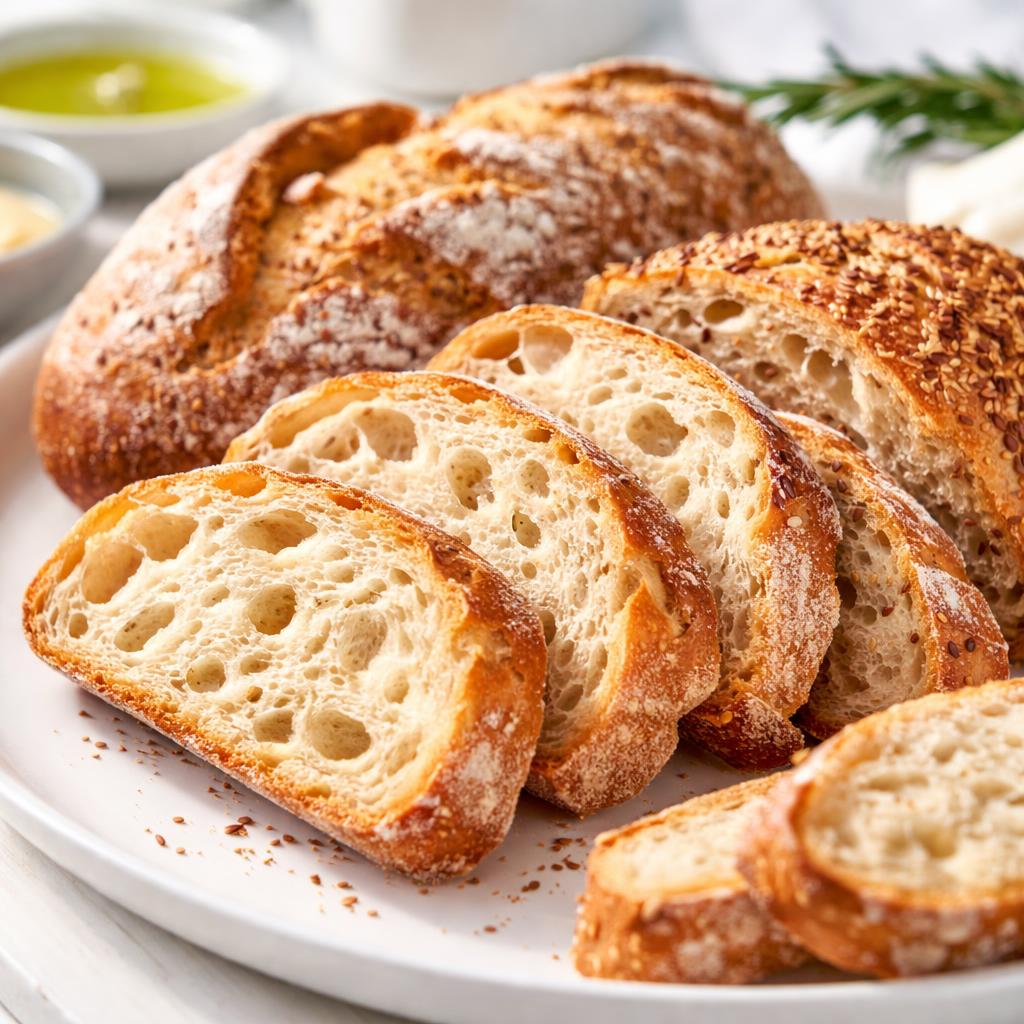
Bread
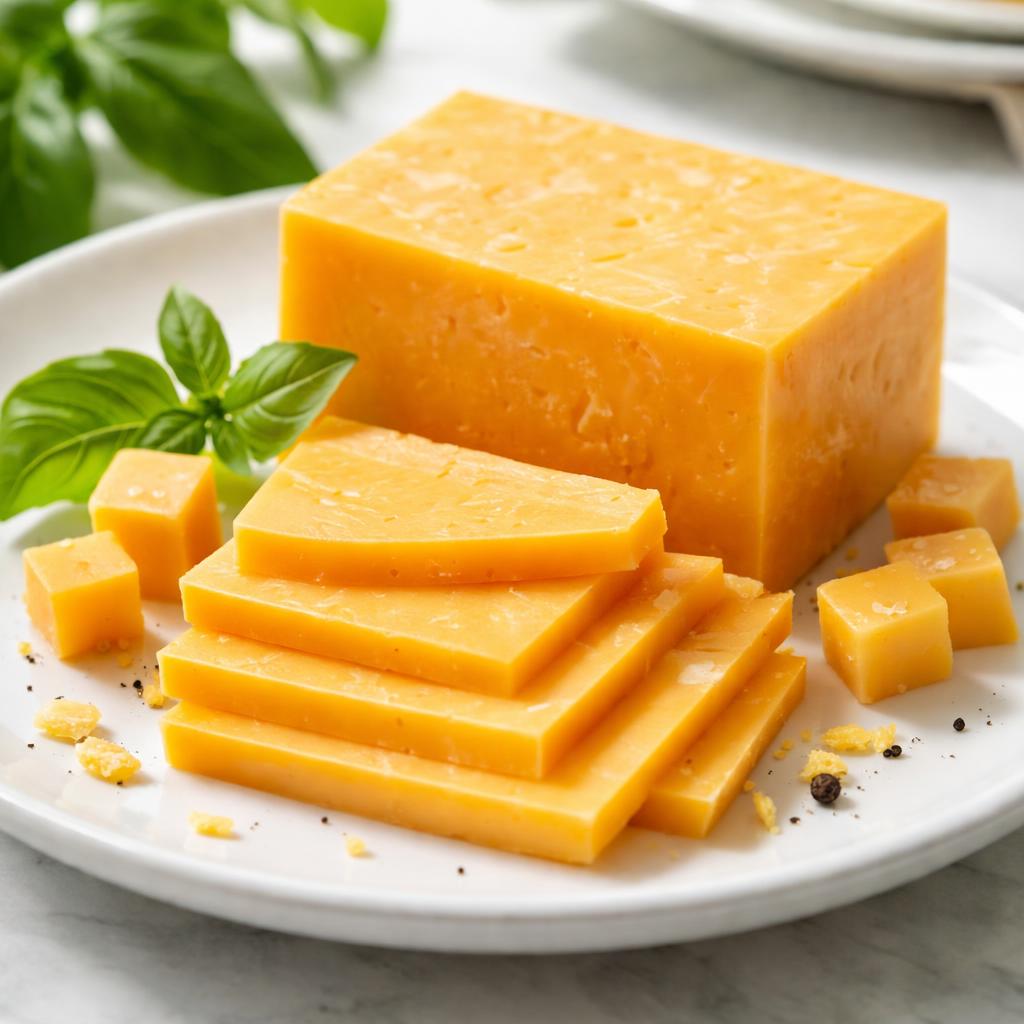
Cheddar
🎯 Quick Verdict
Cheddar cheese and bread differ significantly in nutritional value. Cheddar is much higher in protein, fat, and certain vitamins like Vitamin D and calcium, while bread offers more fiber and fewer calories per serving. Choose cheddar for high-protein and nutrient density, or bread for energy and moderate fiber content in a lower-calorie option.

Smart Nutrition Tracking with SnapCalorie

📊 Nutritional Comparison
Macronutrients
| Nutrient | Food 1 | Food 2 | Winner |
|---|---|---|---|
| Calories | 85 (per slice) | 120 (per 1 oz) | − |
| Protein | 4g | 7g | − |
| Carbs | 15g | 1g | − |
| Fat | 1g | 10g | − |
| Fiber | 1g | 0g | − |
Vitamins & Minerals
| Nutrient | Food 1 | Food 2 | Winner |
|---|---|---|---|
| Vitamin D | 0mcg | 0.25mcg | − |
| Calcium | 40mg | 200mg | − |
| Iron | 0.5mg | 0.1mg | − |
🏆 Category Winners
Protein
Cheddar has nearly double the protein content per serving compared to bread.
Fiber
Bread provides 1g of fiber per slice, whereas cheddar contains no fiber.
Calories
Bread has 30% fewer calories than cheddar per equivalent serving.
🥗 Diet Compatibility
Keto
Food 1: Not Compatible
Food 2: Compatible
Cheddar is low-carb, while bread is high in carbs.
Vegan
Food 1: Compatible
Food 2: Not Compatible
Bread can be made vegan, but cheddar contains dairy.
Gluten Free
Food 1: Not Compatible
Food 2: Compatible
Bread typically contains gluten unless specified gluten-free.
Paleo
Food 1: Not Compatible
Food 2: Depends
Bread is not paleo-friendly, but some cheeses like cheddar may fit certain paleo interpretations.
Low-Carb
Food 1: Not Compatible
Food 2: Compatible
Cheddar has very low carbohydrates, while bread is carb-dense.
💪 Health Benefits Comparison
Food 1 Benefits
- Provides energy via complex carbohydrates
- Contains moderate dietary fiber for digestion
- Iron to support blood health
Food 2 Benefits
- Excellent source of protein for muscle maintenance
- Rich in calcium for bone health
- Low-carb option suitable for certain diets, including keto
✅ The Bottom Line
Choose bread for energy, fiber, and quick calorie control, especially for general or plant-based diets. Opt for cheddar when prioritizing high-protein, healthy fats, or nutrient density, especially for low-carb, keto, or paleo-style diets.
Choose Food 1 for: Plant-based diets, quick energy, low-calorie meals
Choose Food 2 for: Low-carb diets, high-protein needs, bone health


