Bread VS Challah Bread
A detailed nutritional comparison
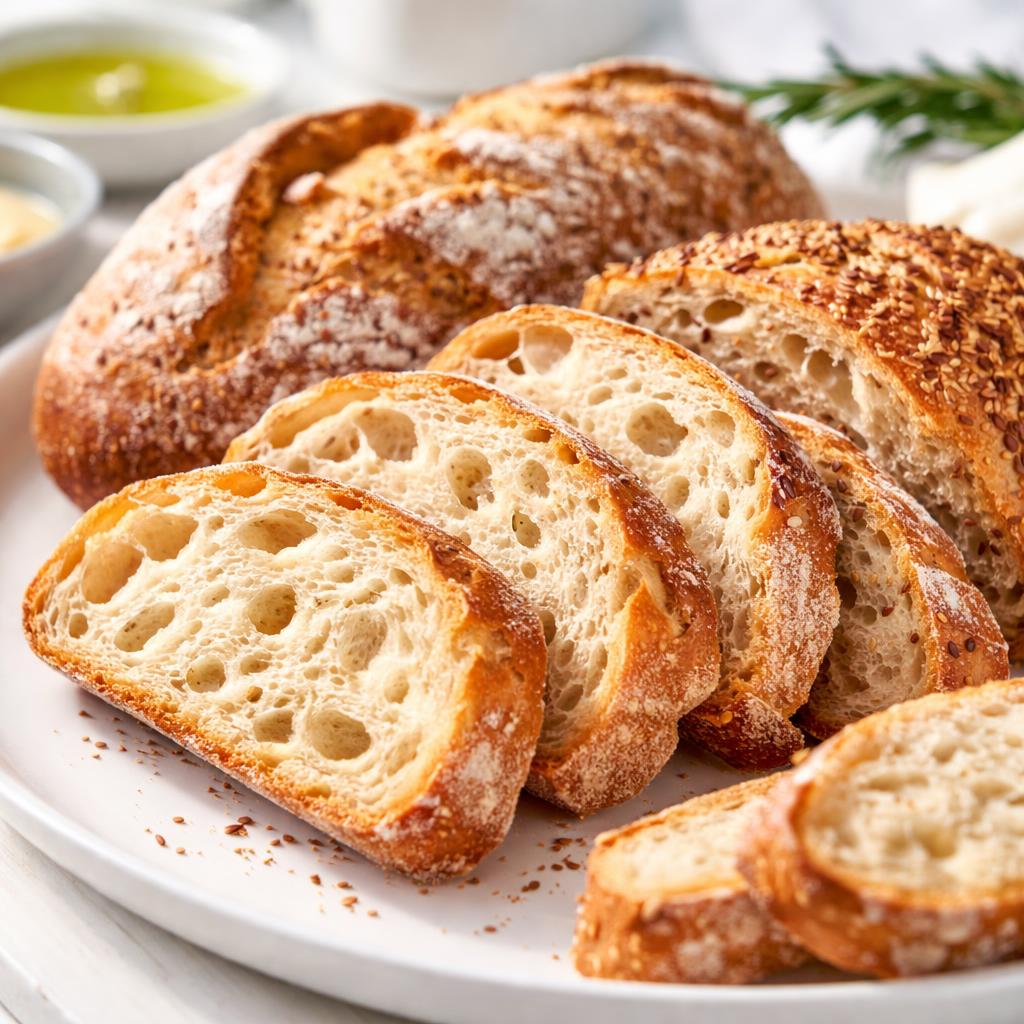
Bread
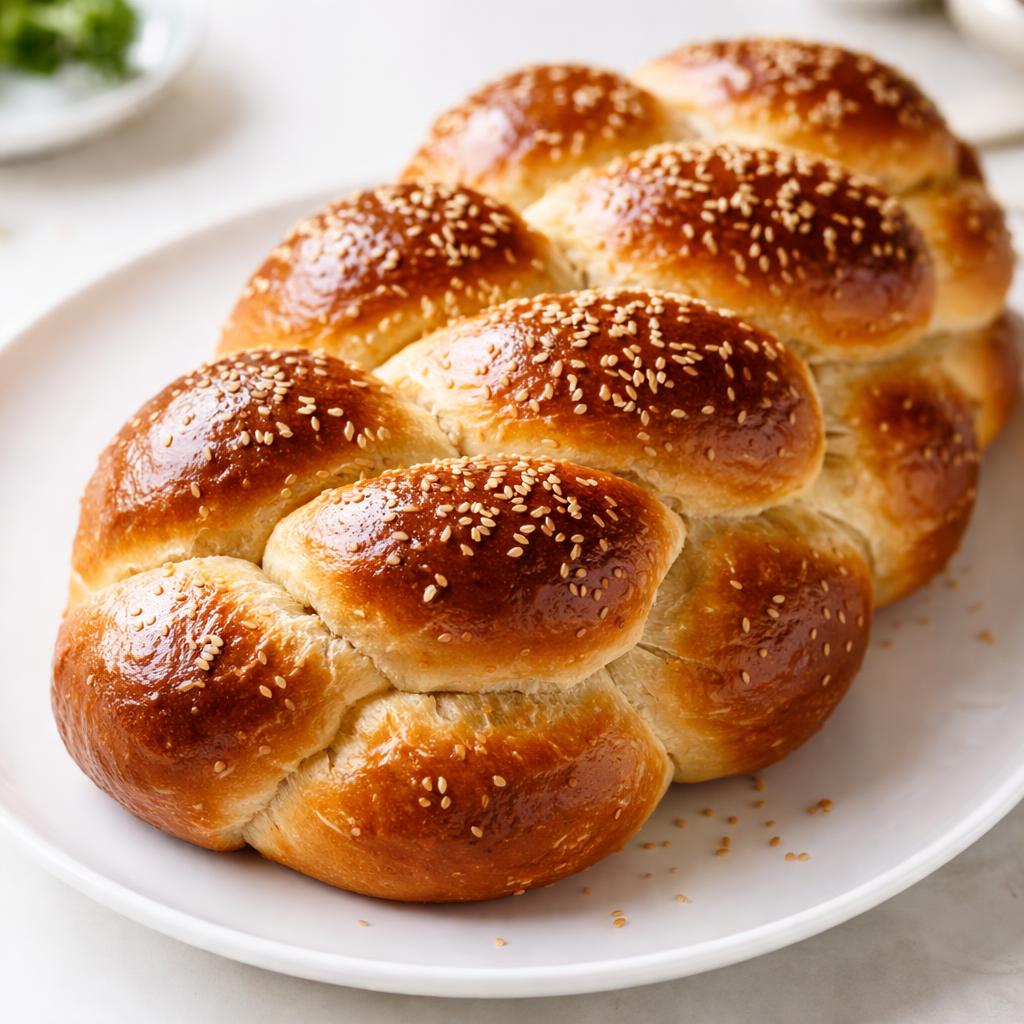
Challah Bread
🎯 Quick Verdict
Bread and challah bread differ in certain key nutrients and use cases. Bread has fewer calories and more fiber, making it ideal for weight-conscious individuals, while challah bread, enriched with eggs, offers slightly more vitamins and a richer flavor profile. Both are versatile but suit different dietary needs and preferences.

Smart Nutrition Tracking with SnapCalorie

📊 Nutritional Comparison
Macronutrients
| Nutrient | Food 1 | Food 2 | Winner |
|---|---|---|---|
| Calories | 80 per slice (28g) | 160 per slice (50g) | ✓ |
| Protein | 4g per slice | 4g per slice | − |
| Carbs | 15g per slice | 30g per slice | ✓ |
| Fat | 0.5g per slice | 2.5g per slice | ✓ |
| Fiber | 2g per slice | 1g per slice | ✓ |
Vitamins & Minerals
| Nutrient | Food 1 | Food 2 | Winner |
|---|---|---|---|
| Vitamin D | 0mcg | 1mcg | ✓ |
| Calcium | 25mg | 50mg | ✓ |
| Iron | 1mg | 2mg | ✓ |
🏆 Category Winners
Protein
Both foods provide equivalent protein per serving.
Fiber
Regular bread has double the fiber content per slice compared to challah bread.
Calories
Bread has half the calories of challah bread per equivalent serving (28g vs 50g).
Vitamins
Challah bread is enriched with eggs, providing more Vitamin D, calcium, and iron.
🥗 Diet Compatibility
Keto
Food 1: Not Compatible
Food 2: Not Compatible
Both are high in carbs, which are not suitable for keto diets.
Vegan
Food 1: Compatible
Food 2: Not Compatible
Bread is typically vegan, whereas challah bread contains eggs.
Gluten Free
Food 1: Not Compatible
Food 2: Not Compatible
Both foods contain gluten from wheat.
Paleo
Food 1: Not Compatible
Food 2: Not Compatible
Paleo diets exclude grains like wheat, making both foods incompatible.
Low-Carb
Food 1: Not Compatible
Food 2: Not Compatible
Neither food is low-carb due to their high carbohydrate content.
💪 Health Benefits Comparison
Food 1 Benefits
- Low-calorie option for weight management
- Higher fiber content promotes digestive health
- Affordable and versatile staple for various meals
Food 2 Benefits
- Rich in iron for better oxygen transport in the blood
- Source of Vitamin D and calcium for bone health
- Fluffy, egg-enriched texture ideal for weekend brunches and special occasions
✅ The Bottom Line
Bread is better for weight management and digestion due to its lower calories and higher fiber. Challah bread offers more vitamins and satisfies indulgent, special-occasion cravings with its richer and denser texture.
Choose Food 1 for: Weight loss, digestion, daily meals like sandwiches or toast
Choose Food 2 for: Nutrient density, festive occasions, and indulgent eating


