Bread VS Cake
A detailed nutritional comparison
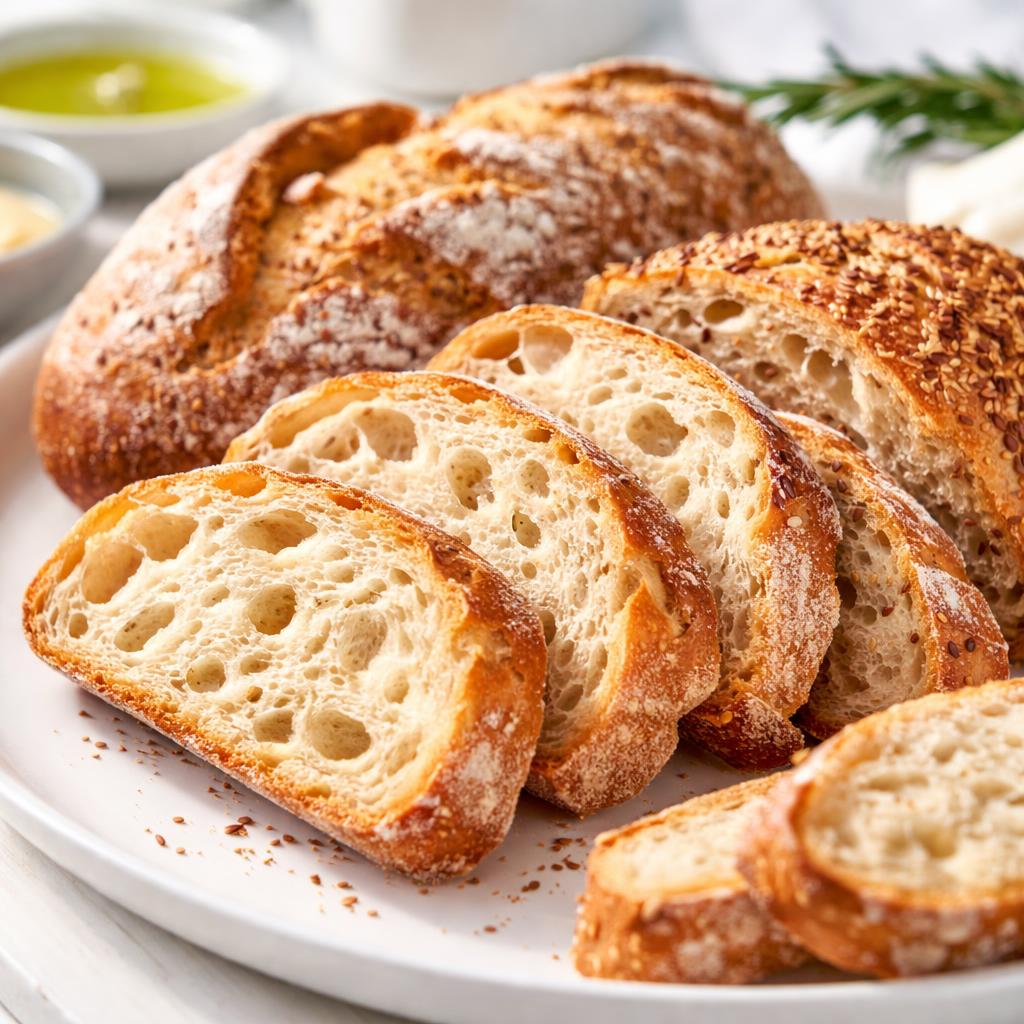
Bread
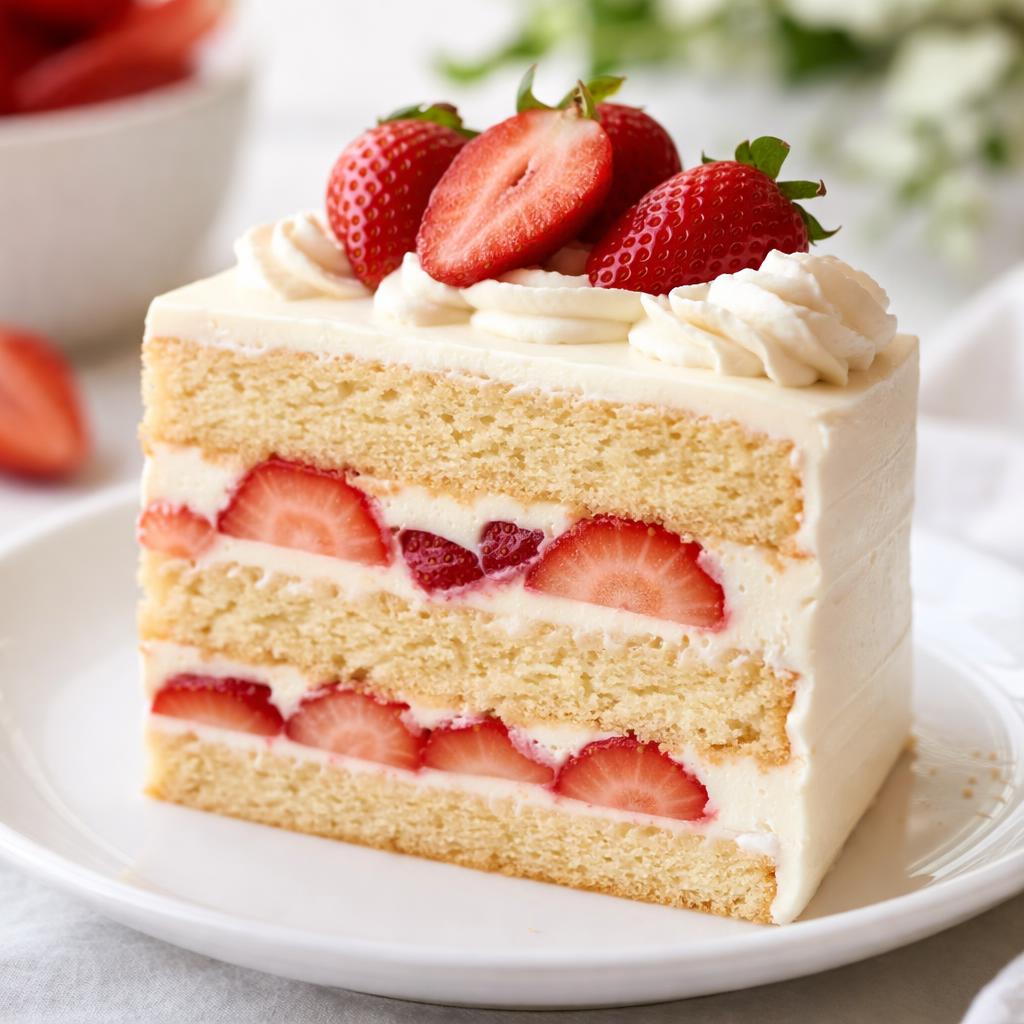
Cake
🎯 Quick Verdict
Bread is nutritionally superior to cake in terms of lower calories, higher protein, and improved fiber content, making it a better choice for weight management and sustained energy. Cake, on the other hand, is higher in sugar and calories, often serving better as an occasional treat or dessert option due to its indulgent properties.

Smart Nutrition Tracking with SnapCalorie

📊 Nutritional Comparison
Macronutrients
| Nutrient | Food 1 | Food 2 | Winner |
|---|---|---|---|
| Calories | 80 per slice | 260 per slice | ✓ |
| Protein | 3g | 2g | ✓ |
| Carbs | 15g | 30g | ✓ |
| Fat | 1g | 12g | ✓ |
| Fiber | 1g | 0.5g | ✓ |
Vitamins & Minerals
| Nutrient | Food 1 | Food 2 | Winner |
|---|---|---|---|
| Vitamin D | 0mcg | 0mcg | − |
| Calcium | 25mg | 50mg | ✓ |
| Iron | 0.5mg | 0.2mg | ✓ |
🏆 Category Winners
Protein
Bread contains 50% more protein than cake per serving.
Fiber
Bread has doubled the fiber content compared to cake.
Calories
Bread has 69% fewer calories than cake per serving.
Vitamins
Cake provides higher calcium content for bone health.
🥗 Diet Compatibility
Keto
Food 1: Not Compatible
Food 2: Not Compatible
Both are carbohydrate-rich foods.
Vegan
Food 1: May be Compatible
Food 2: Not Compatible
Bread may be vegan if made without honey or dairy, whereas cake typically includes eggs and butter.
Gluten Free
Food 1: Not Compatible
Food 2: Not Compatible
Both foods are typically made with wheat flour.
Paleo
Food 1: Not Compatible
Food 2: Not Compatible
Both are processed products not allowed on paleo diets.
Low Carb
Food 1: Not Compatible
Food 2: Not Compatible
Both foods contain high levels of carbohydrates.
💪 Health Benefits Comparison
Food 1 Benefits
- Lower in calories, making it suitable for weight management
- Contains more protein for muscle maintenance
- Higher fiber content aids digestion
Food 2 Benefits
- Higher in calcium for bone support
- Energy-dense, providing quick energy
- Indulgent and satisfying as a dessert option
✅ The Bottom Line
Bread is the more nutritious and lower-calorie choice, ideal for everyday consumption and weight management. Cake, while less balanced in nutrition, serves as a satisfying dessert for special occasions or indulgent treats. Choose bread for practicality and sustained energy, and cake for celebratory moments.
Choose Food 1 for: Weight management, sustained energy, daily meals
Choose Food 2 for: Desserts, celebrations, indulgence


