Bread VS Brown Sugar
A detailed nutritional comparison

Bread
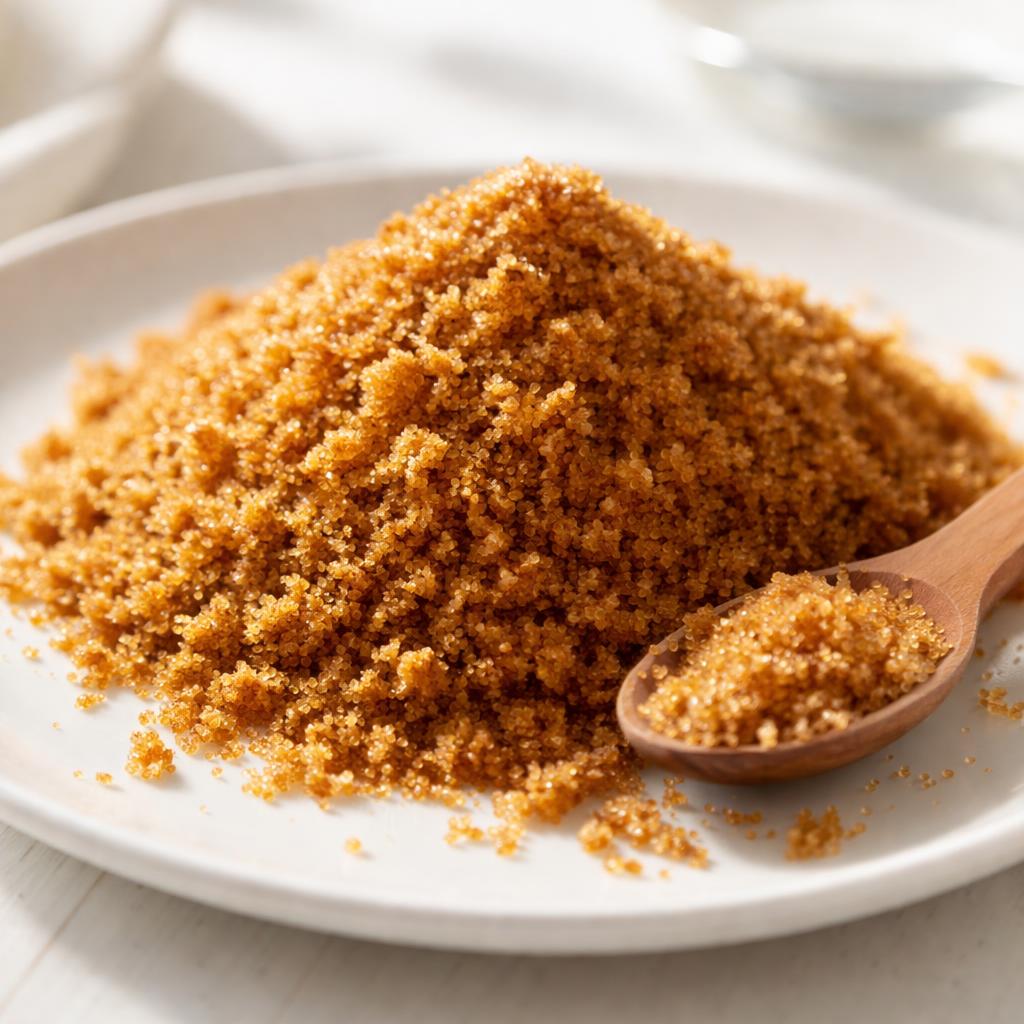
Brown Sugar
🎯 Quick Verdict
Bread offers significantly more protein and fiber than brown sugar, making it better suited for sustained energy and digestion. Brown sugar, while low in calories per gram, is almost exclusively carbohydrates and lacks substantial nutrients, making it best for short-term energy boosts rather than a nutrient-dense food option.

Smart Nutrition Tracking with SnapCalorie

📊 Nutritional Comparison
Macronutrients
| Nutrient | Food 1 | Food 2 | Winner |
|---|---|---|---|
| Calories | 80 per slice (28g) | 50 per tablespoon (12g) | − |
| Protein | 3g per slice (28g) | 0g per tablespoon (12g) | − |
| Carbs | 15g per slice (28g) | 12g per tablespoon (12g) | − |
| Fat | 1g per slice (28g) | 0g per tablespoon (12g) | − |
| Fiber | 1g per slice (28g) | 0g per tablespoon (12g) | − |
Vitamins & Minerals
| Nutrient | Food 1 | Food 2 | Winner |
|---|---|---|---|
| Vitamin B6 | 0.04mg per slice | 0.01mg per tablespoon | − |
| Iron | 0.7mg per slice | 0.01mg per tablespoon | − |
| Magnesium | 8mg per slice | 0mg per tablespoon | − |
🏆 Category Winners
Protein
Bread provides 3g of protein, whereas brown sugar offers virtually none.
Fiber
Bread offers 1g of fiber, while brown sugar contains no fiber.
Calories
Brown sugar is lower in calories per gram.
Vitamins
Bread contains significantly higher amounts of iron, magnesium, and B vitamins.
🥗 Diet Compatibility
Keto
Food 1: Not Compatible
Food 2: Not Compatible
Both are high in carbohydrates and unsuitable for keto diets.
Vegan
Food 1: Compatible
Food 2: Compatible
Neither contains animal products.
Gluten Free
Food 1: Not Compatible
Food 2: Compatible
Bread contains gluten, while brown sugar does not.
Paleo
Food 1: Not Compatible
Food 2: Not Compatible
Neither aligns with paleo guidelines due to processing.
Low-Carb
Food 1: Not Compatible
Food 2: Not Compatible
Both are high-carb foods unsuitable for low-carb diets.
💪 Health Benefits Comparison
Food 1 Benefits
- Provides sustained energy from complex carbohydrates
- Contains fiber for improved digestion
- Offers protein for muscle repair and maintenance
- Contains vitamins and minerals such as iron and magnesium
Food 2 Benefits
- Provides quick energy from simple sugars
- Adds natural sweetness with minimal processing
- Contains trace amounts of minerals like calcium and potassium
- May enhance flavor and satisfaction in moderation
✅ The Bottom Line
Choose bread if you're seeking a balanced source of energy with protein, fiber, and essential nutrients. Opt for brown sugar if you need a quick energy boost or a natural sweetener for baking or cooking.
Choose Food 1 for: Sustained energy, sandwiches, balanced meals
Choose Food 2 for: Quick energy, sweetening recipes, occasional indulgence


