Bread VS Brioche Bread
A detailed nutritional comparison
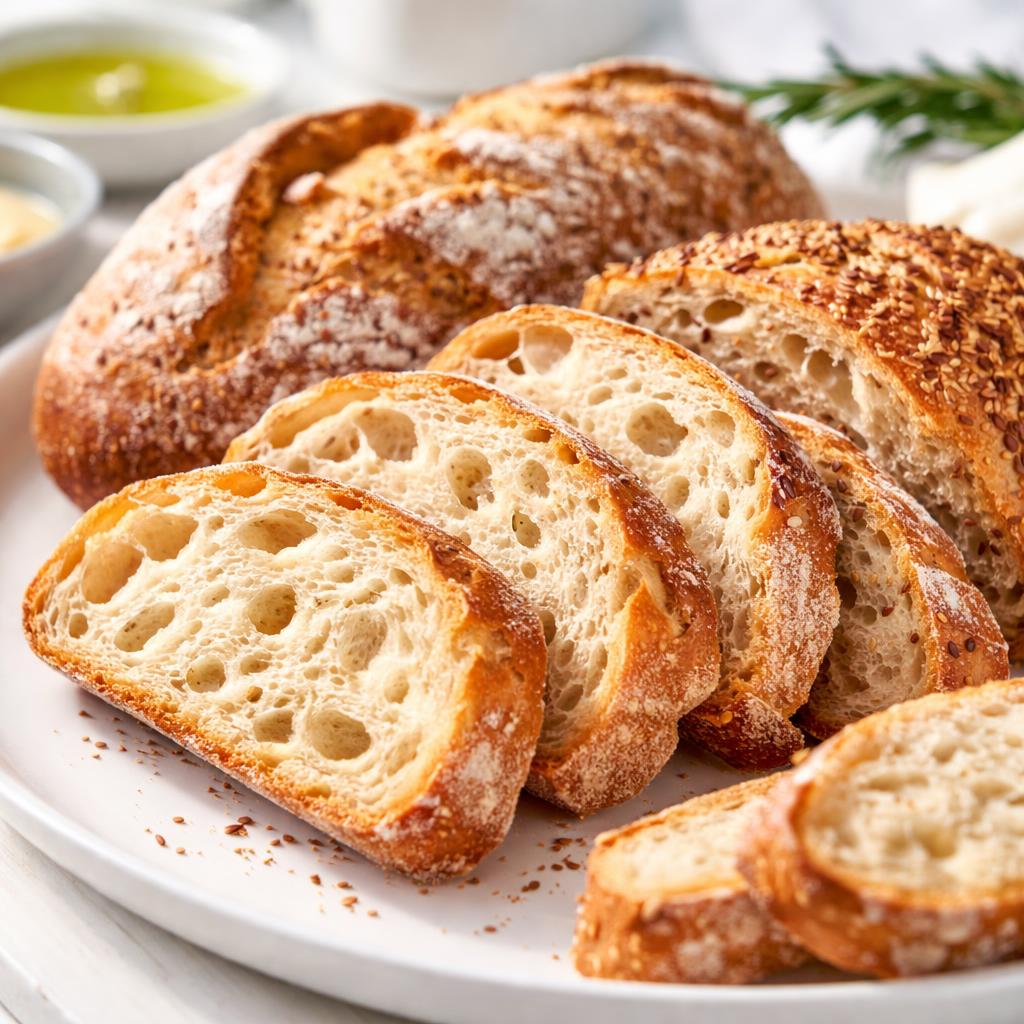
Bread
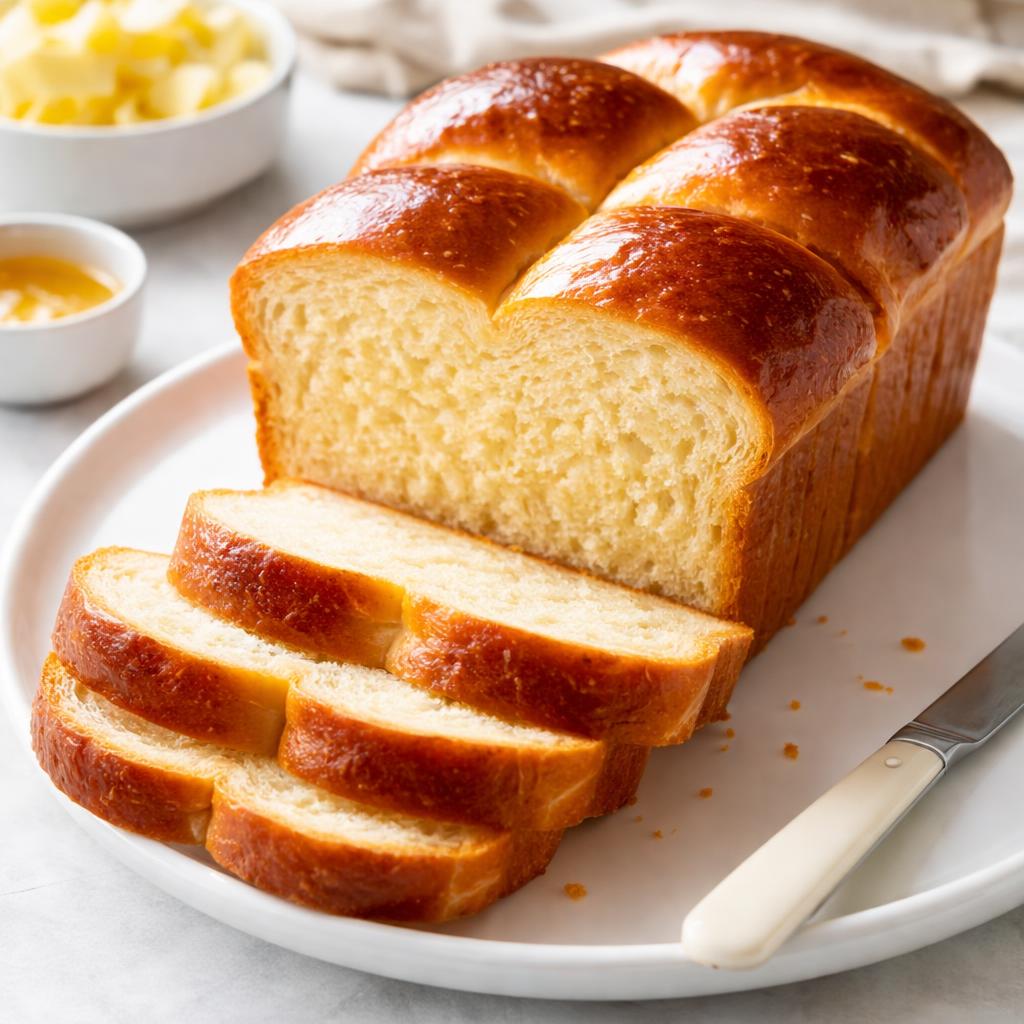
Brioche Bread
🎯 Quick Verdict
Bread and brioche bread differ significantly in nutritional profiles. While standard bread is higher in protein, fiber, and lower in calories, brioche bread is richer in fat and provides a sweeter, more indulgent option. Bread is better for health-focused meals, while brioche bread works well for treats or gourmet recipes.

Smart Nutrition Tracking with SnapCalorie

📊 Nutritional Comparison
Macronutrients
| Nutrient | Food 1 | Food 2 | Winner |
|---|---|---|---|
| Calories | 80 | 120 | − |
| Protein | 4g | 3g | − |
| Carbs | 15g | 17g | ✓ |
| Fat | 0.5g | 4g | − |
| Fiber | 2g | 0.5g | − |
Vitamins & Minerals
| Nutrient | Food 1 | Food 2 | Winner |
|---|---|---|---|
| Vitamin D | 0mcg | 0.5mcg | − |
| Calcium | 35mg | 30mg | − |
| Iron | 0.6mg | 0.4mg | − |
🏆 Category Winners
Protein
Bread has 33% more protein per serving.
Fiber
Bread provides 4 times more fiber than brioche bread.
Calories
Bread has 33% fewer calories per serving.
Vitamins
Both are fairly similar in micronutrient content aside from minor differences.
🥗 Diet Compatibility
Keto
Food 1: Not Compatible
Food 2: Not Compatible
Both are high in carbs.
Vegan
Food 1: Compatible
Food 2: Not Compatible
Bread is plant-based, but brioche bread often contains eggs or butter.
Gluten Free
Food 1: Not Compatible
Food 2: Not Compatible
Both contain gluten.
Paleo
Food 1: Not Compatible
Food 2: Not Compatible
Both are grain-based and not suitable for paleo diets.
Low-Carb
Food 1: Not Compatible
Food 2: Not Compatible
Both exceed low-carb diet carb limits (~15 grams per serving).
💪 Health Benefits Comparison
Food 1 Benefits
- Lower in calories for weight management
- Higher fiber for improved digestion
- Provides more protein for muscle health
Food 2 Benefits
- Rich in healthy fats for energy
- Higher vitamin D content
- Provides a soft texture ideal for gourmet meals
✅ The Bottom Line
Choose bread for weight management, high-fiber diets, and general health-conscious meals. Opt for brioche bread for indulgent recipes, gourmet dining, or special occasions where taste and texture matter most.
Choose Food 1 for: Weight loss, high-fiber diets, sandwiches, long-term health
Choose Food 2 for: Brunch recipes, desserts, gourmet dining experiences


