Bread VS Beet Salad
A detailed nutritional comparison
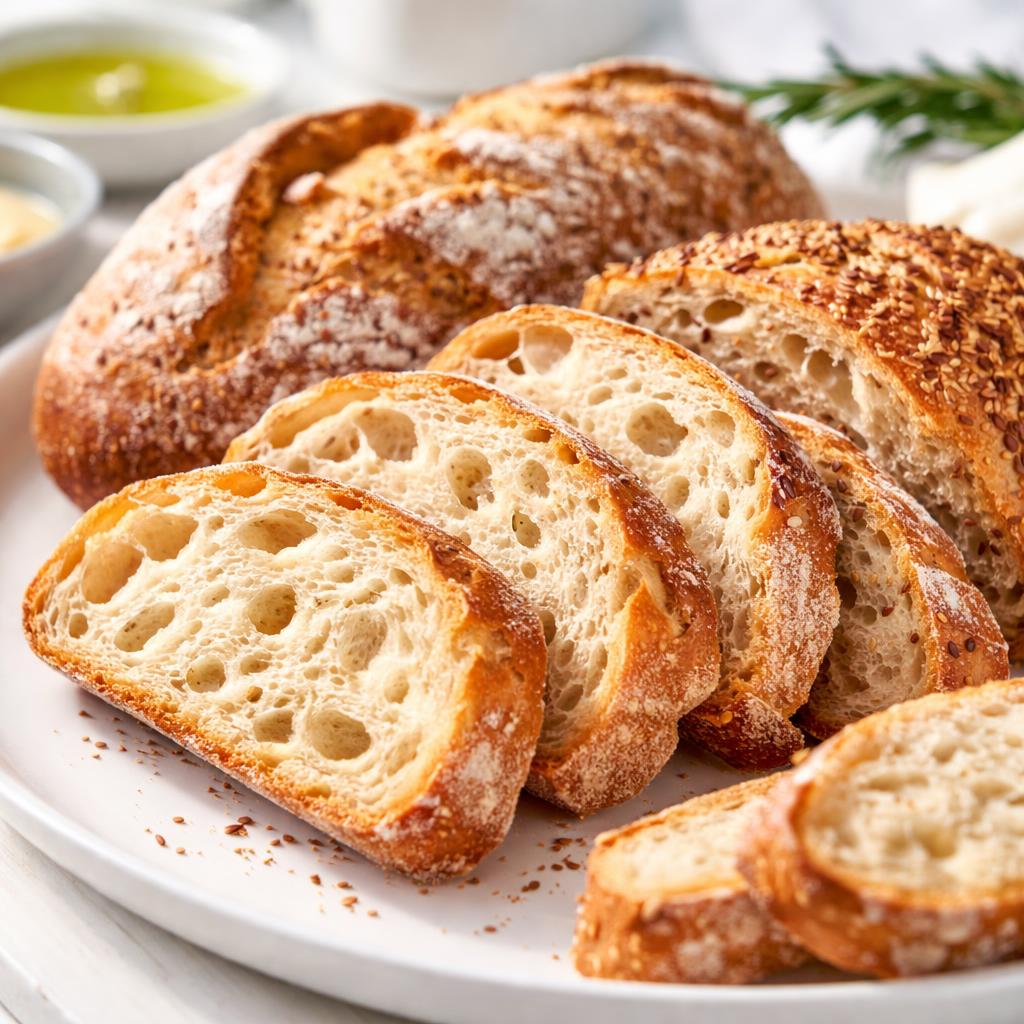
Bread
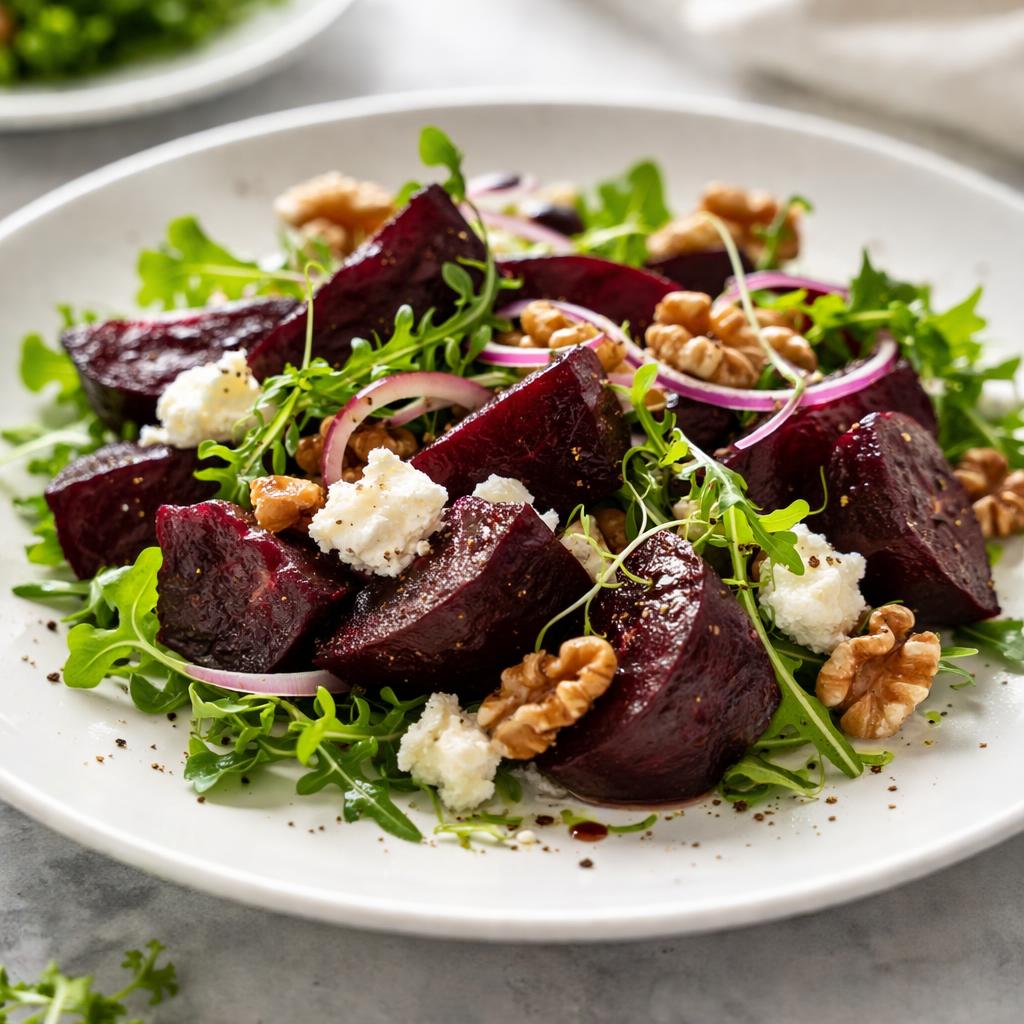
Beet Salad
🎯 Quick Verdict
Bread and beet salad differ significantly in nutritional composition. Bread is a higher-protein, calorie-dense option ideal for energy needs, while beet salad is lower in calories and richer in fiber and vitamins. Bread may suit quick meals or snacks, whereas beet salad is better for light, nutrient-packed meals and digestion support.

Smart Nutrition Tracking with SnapCalorie

📊 Nutritional Comparison
Macronutrients
| Nutrient | Food 1 | Food 2 | Winner |
|---|---|---|---|
| Calories | 250 | 150 | ✓ |
| Protein | 9g | 3g | ✓ |
| Carbs | 45g | 12g | ✓ |
| Fat | 4g | 7g | ✓ |
| Fiber | 2g | 5g | ✓ |
Vitamins & Minerals
| Nutrient | Food 1 | Food 2 | Winner |
|---|---|---|---|
| Vitamin A | 0mcg | 30mcg | ✓ |
| Vitamin C | 0mg | 20mg | ✓ |
| Potassium | 120mg | 400mg | ✓ |
🏆 Category Winners
Protein
Bread contains 3 times more protein compared to beet salad, making it better for protein intake.
Fiber
Beet salad has over double the fiber content per serving, aiding digestion.
Calories
Food2 is lower in calories, making it advantageous for low-calorie diets.
Vitamins
Beet salad is richer in vitamins, particularly Vitamin A, Vitamin C, and potassium.
🥗 Diet Compatibility
Keto
Food 1: Not Compatible
Food 2: Compatible
Bread is high in carbs, while beet salad is low-carb.
Vegan
Food 1: Compatible
Food 2: Compatible
Both foods are plant-based and suitable for vegan diets.
Gluten Free
Food 1: Not Compatible
Food 2: Compatible
Bread contains gluten, whereas beet salad is naturally gluten-free.
Paleo
Food 1: Not Compatible
Food 2: Compatible
Bread is grain-based and not allowed on paleo diets, while beet salad fits paleo guidelines.
Low Carb
Food 1: Not Compatible
Food 2: Compatible
Bread is high in carbohydrates, whereas beet salad is low in carbs.
💪 Health Benefits Comparison
Food 1 Benefits
- Good source of energy, ideal for quick meals
- Provides protein to support muscle function
- Contains B vitamins for energy metabolism
Food 2 Benefits
- Rich in fiber for gut health and improved digestion
- High in antioxidants for reducing inflammation
- Provides vitamins and minerals for overall health, including potassium for heart function
✅ The Bottom Line
Bread is best for quick energy boosts or protein supplementation, whereas beet salad excels as a nutrient-dense, low-calorie option with digestive benefits. Choose bread for active energy needs or workouts, and opt for beet salad for a light, vitamin-packed dish that supports overall health.
Choose Food 1 for: High energy demands, snacks, quick meals
Choose Food 2 for: Low-calorie diets, improved digestion, nutrient-rich meals


