Bread VS Baked Potato
A detailed nutritional comparison
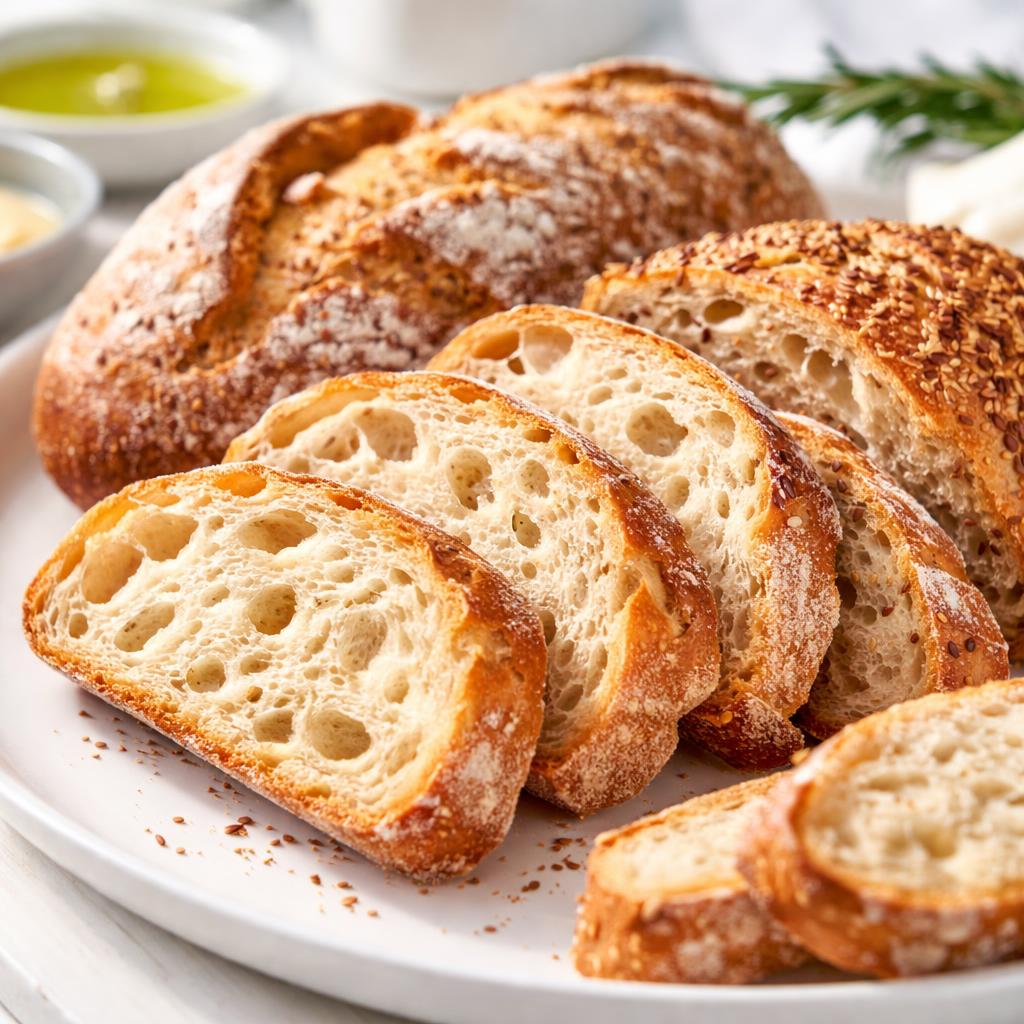
Bread
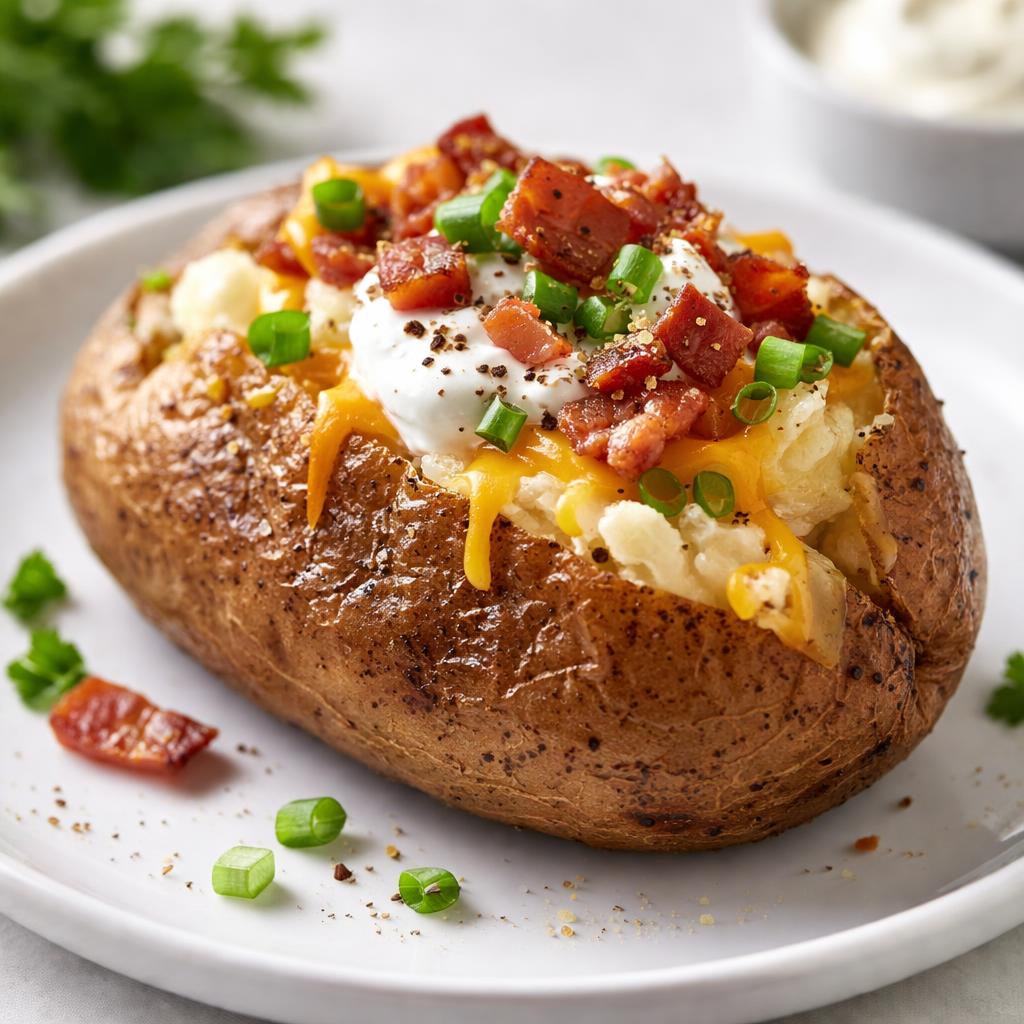
Baked Potato
🎯 Quick Verdict
Bread and baked potato both offer different nutritional profiles. Bread is lower in calories and carbs, making it lighter, while baked potato provides more dietary fiber and essential nutrients like potassium. Bread works well for quick meals and sandwiches, while baked potato delivers more satiety and micronutrients for balanced meals.

Smart Nutrition Tracking with SnapCalorie

📊 Nutritional Comparison
Macronutrients
| Nutrient | Food 1 | Food 2 | Winner |
|---|---|---|---|
| Calories | 80 (per slice, 30g) | 150 (per 100g) | ✓ |
| Protein | 3g | 3g | − |
| Carbs | 15g | 35g | ✓ |
| Fat | 1g | 0g | ✓ |
| Fiber | 1g | 2g | ✓ |
Vitamins & Minerals
| Nutrient | Food 1 | Food 2 | Winner |
|---|---|---|---|
| Vitamin C | 0mg | 12mg (13% DV) | ✓ |
| Potassium | 50mg | 550mg (16% DV) | ✓ |
| Iron | 0.3mg (2% DV) | 0.5mg (2% DV) | ✓ |
| Vitamin D | 0mcg | 0mcg | − |
🏆 Category Winners
Protein
Both foods contain 3g of protein per serving.
Fiber
Baked potato provides double the fiber, aiding digestion.
Calories
Bread has nearly 50% fewer calories per serving compared to baked potato.
Vitamins
Baked potato is rich in vitamin C and potassium, delivering essential micronutrients.
🥗 Diet Compatibility
Keto
Food 1: Not Compatible
Food 2: Not Compatible
Both are high in carbs, not suitable for keto.
Vegan
Food 1: Compatible
Food 2: Compatible
Both are plant-based and free from animal products.
Gluten Free
Food 1: Not Compatible
Food 2: Compatible
Bread usually contains gluten, while baked potato is naturally gluten-free.
Paleo
Food 1: Not Compatible
Food 2: Compatible
Bread is processed and excluded in Paleo diets, but baked potato is a natural whole food.
Low-Carb
Food 1: Not Compatible
Food 2: Not Compatible
Both are high-carb foods and do not fit into low-carb diets.
💪 Health Benefits Comparison
Food 1 Benefits
- Low calorie option for weight management
- Source of quick energy from carbs
- Can be fortified with iron and folic acid in some varieties
Food 2 Benefits
- High potassium content for heart and muscle health
- Rich in vitamin C for immune support
- Provides dietary fiber for better digestion and satiety
- Contains antioxidants in the skin (if consumed with peel)
✅ The Bottom Line
Bread is a lighter option for low-calorie meals, but baked potato provides superior fiber and micronutrients like potassium and vitamin C. Choose bread for convenience and sandwiches, while baked potato suits balanced, filling meals.
Choose Food 1 for: Light meals, quick snacks, weight-conscious diets
Choose Food 2 for: Balanced meals, nutrient density, digestion, immune support


