Bread VS Asparagus
A detailed nutritional comparison

Bread
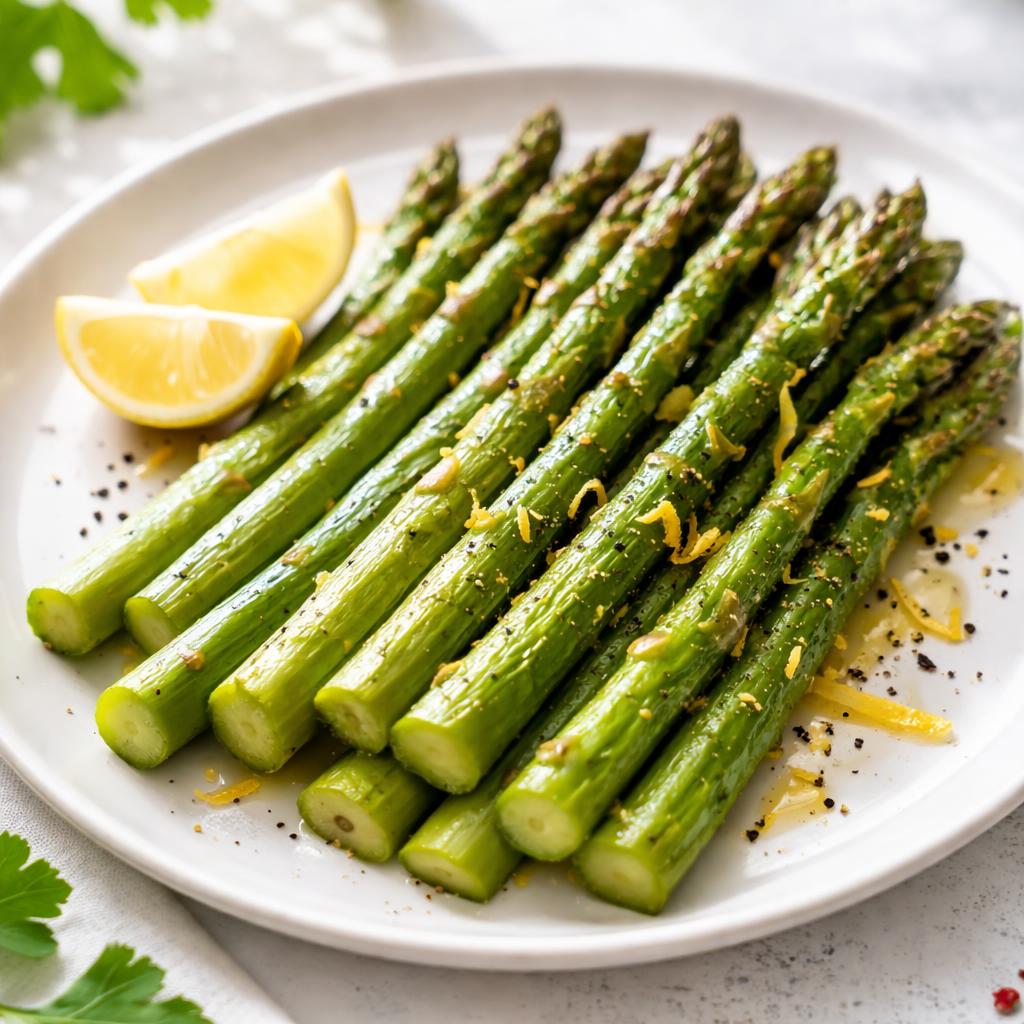
Asparagus
🎯 Quick Verdict
Bread and asparagus differ significantly in nutritional profiles. Bread is calorie-dense and higher in protein, making it a quick energy source, while asparagus is lower in calories, rich in fiber, and full of nutrients like vitamins A and C. Bread suits high-energy needs, and asparagus is ideal for weight loss or nutrient-rich diets.

Smart Nutrition Tracking with SnapCalorie

📊 Nutritional Comparison
Macronutrients
| Nutrient | Food 1 | Food 2 | Winner |
|---|---|---|---|
| Calories | 265 per 100g | 20 per 100g | ✓ |
| Protein | 9g per 100g | 2.2g per 100g | ✓ |
| Carbs | 49g per 100g | 3.9g per 100g | ✓ |
| Fat | 3.3g per 100g | 0.2g per 100g | ✓ |
| Fiber | 2.4g per 100g | 2.1g per 100g | ✓ |
Vitamins & Minerals
| Nutrient | Food 1 | Food 2 | Winner |
|---|---|---|---|
| Vitamin A | 0 IU | 756 IU | ✓ |
| Vitamin C | 0mg | 5.6mg per 100g | ✓ |
| Vitamin K | 1.3mcg | 41.6mcg per 100g | ✓ |
| Folate | 30mcg per 100g | 52mcg per 100g | ✓ |
🏆 Category Winners
Protein
Bread has about 4 times more protein than asparagus.
Fiber
Asparagus contains slightly more fiber per serving, aiding digestion.
Calories
Asparagus has only 20 calories per 100g, drastically lower than bread's 265 calories per 100g.
Vitamins
Asparagus is packed with essential vitamins like vitamin A, C, and K, which bread lacks.
🥗 Diet Compatibility
Keto
Food 1: Not Compatible
Food 2: Compatible
Asparagus is low in carbs, while bread is high in carbs.
Vegan
Food 1: Compatible
Food 2: Compatible
Both foods are plant-based.
Gluten Free
Food 1: Not Compatible
Food 2: Compatible
Bread contains gluten, while asparagus is naturally gluten-free.
Paleo
Food 1: Not Compatible
Food 2: Compatible
Bread is a processed grain product, whereas asparagus fits paleo diets.
Low-Carb
Food 1: Not Compatible
Food 2: Compatible
Bread is carb-heavy (49g per 100g), while asparagus is low-carb (3.9g per 100g).
💪 Health Benefits Comparison
Food 1 Benefits
- Provides quick energy due to high carbohydrate content
- Contains moderate protein for muscle support
- Good source of folate for cell function and repair
Food 2 Benefits
- Rich in fiber to support digestive health
- Low in calories, ideal for weight loss
- High in antioxidants and vitamins A, C, and K for immune and bone health
✅ The Bottom Line
Choose bread for quick energy or post-workout recovery due to its high carbohydrate and moderate protein content. Opt for asparagus for weight management, digestive benefits, and a rich source of vitamins. Both have unique uses depending on dietary goals.
Choose Food 1 for: Quick energy, high-carb diets, protein supplementation
Choose Food 2 for: Low-calorie diets, nutrient-rich eating, keto and paleo


