Bread VS Artichoke
A detailed nutritional comparison
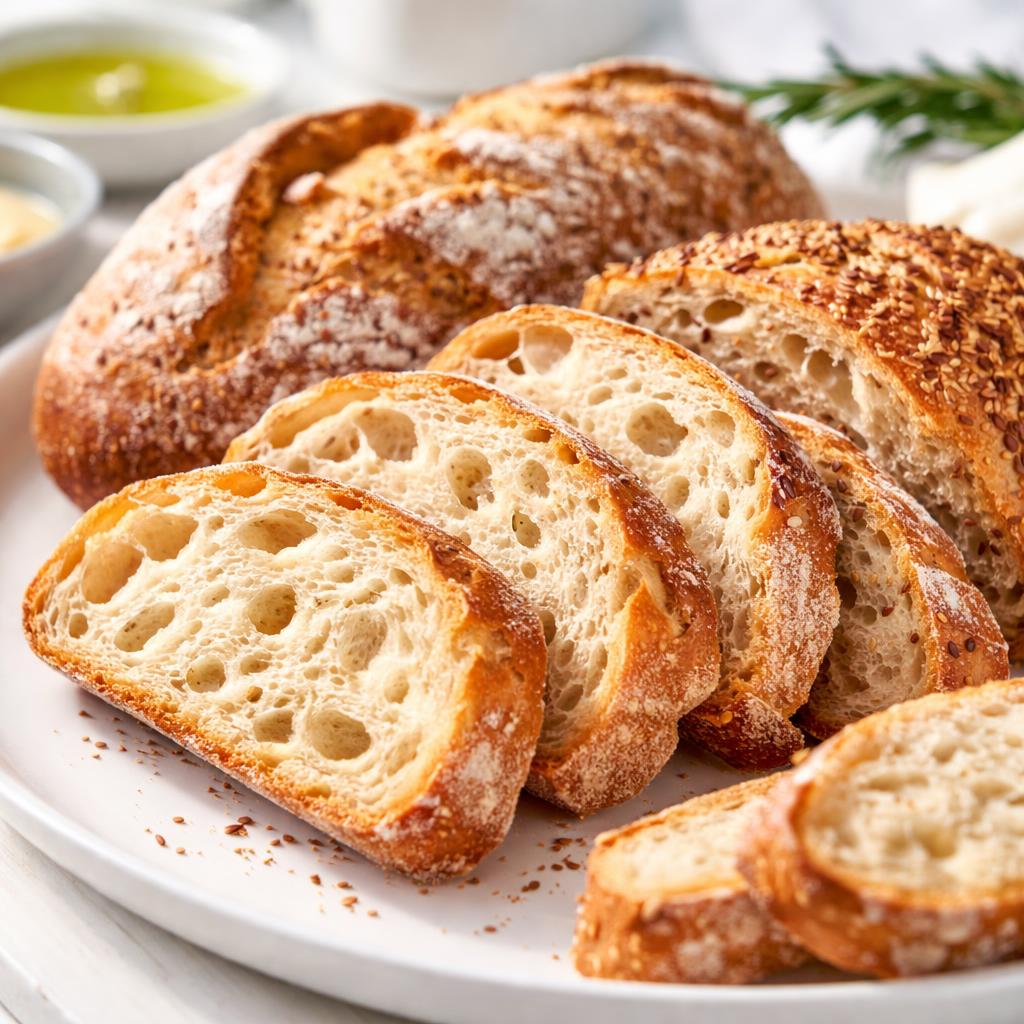
Bread
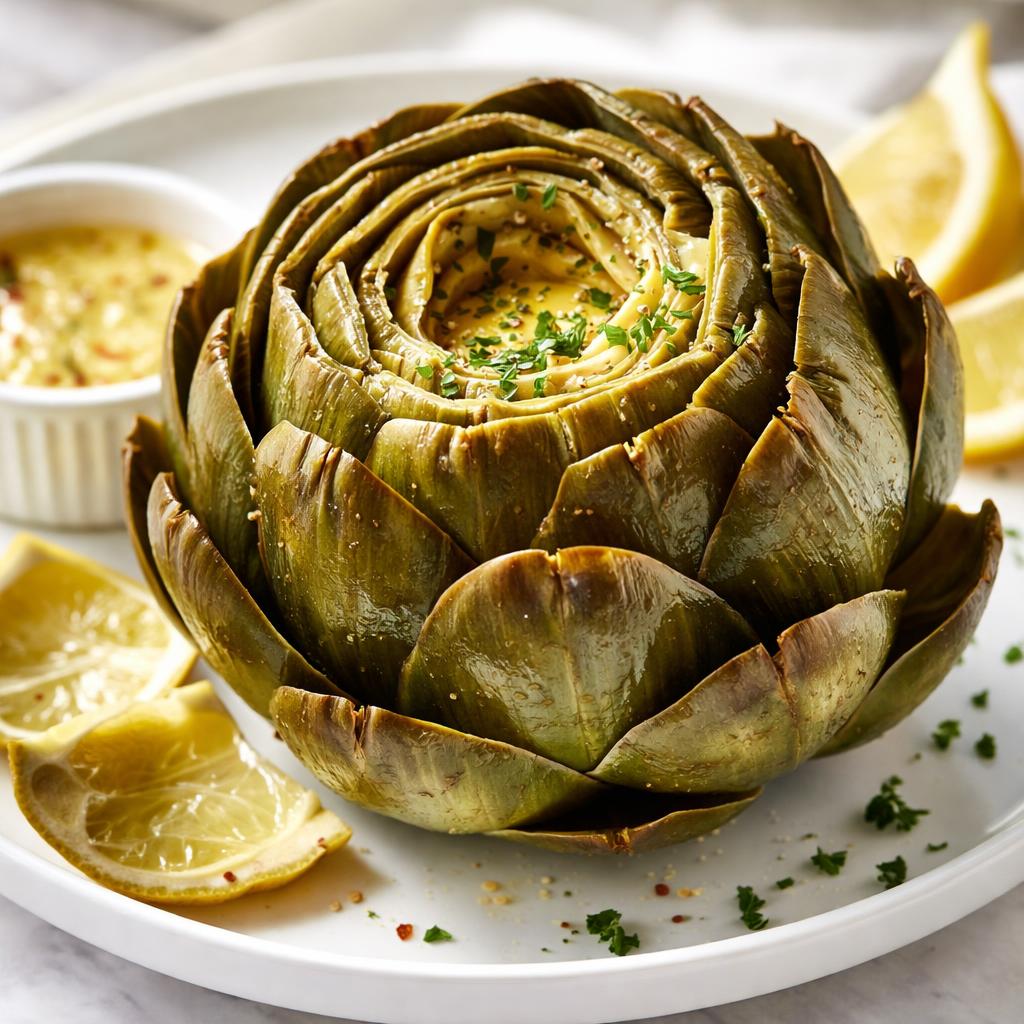
Artichoke
🎯 Quick Verdict
Bread is higher in protein and calories, making it a better option for energy-dense meals, while artichokes excel in fiber and micronutrients with fewer calories overall. Bread is more versatile for sandwiches and snacks, whereas artichokes are ideal for low-calorie, nutrient-dense sides or appetizers.

Smart Nutrition Tracking with SnapCalorie

📊 Nutritional Comparison
Macronutrients
| Nutrient | Food 1 | Food 2 | Winner |
|---|---|---|---|
| Calories | 265 | 60 | ✓ |
| Protein | 9g | 4g | ✓ |
| Carbs | 49g | 13g | ✓ |
| Fat | 3.5g | 0.2g | ✓ |
| Fiber | 2.7g | 7g | ✓ |
Vitamins & Minerals
| Nutrient | Food 1 | Food 2 | Winner |
|---|---|---|---|
| Vitamin C | 0mg | 15mg | ✓ |
| Calcium | 72mg | 40mg | ✓ |
| Iron | 3.6mg | 1.3mg | ✓ |
| Vitamin K | 0mcg | 18mcg | ✓ |
| Magnesium | 24mg | 50mg | ✓ |
🏆 Category Winners
Protein
Bread contains over double the protein content per serving.
Fiber
Artichokes provide almost triple the fiber per serving.
Calories
Artichokes are much lower in calories, suitable for weight management.
Vitamins
Artichokes are richer in vitamin C, K, and magnesium, supporting immunity and bone health.
🥗 Diet Compatibility
Keto
Food 1: Not Compatible
Food 2: Compatible
Artichokes are low-carb, making them keto-friendly.
Vegan
Food 1: Compatible
Food 2: Compatible
Both bread and artichokes are plant-based, fitting vegan diets.
Gluten Free
Food 1: Not Compatible
Food 2: Compatible
Artichokes are naturally gluten-free, while bread contains gluten.
Paleo
Food 1: Not Compatible
Food 2: Compatible
Artichokes align with paleo principles, while bread does not due to grain content.
Low-Carb
Food 1: Not Compatible
Food 2: Compatible
Bread is high in carbohydrates, whereas artichokes are low-carb.
💪 Health Benefits Comparison
Food 1 Benefits
- Energy-dense, provides long-lasting fuel
- Good source of iron for oxygen transport
- Moderate protein content for muscle repair
- Convenient carbohydrate source for athletes
Food 2 Benefits
- Rich in fiber for gut health
- High in antioxidants like vitamin C for immunity
- Contains vitamin K to support bone health
- Low in calories, ideal for weight management
✅ The Bottom Line
Bread is a versatile, higher-calorie food with more protein and quick energy, best for high-activity lifestyles, while artichokes are lower-calorie, fiber-rich, and nutrient-dense, ideal for digestion and weight loss. Choose bread for energy-driven meals and artichokes for light, nutrient-enhanced sides.
Choose Food 1 for: Energy-demanding meals, busy schedules, athletes
Choose Food 2 for: Low-calorie diets, digestive health, nutrient-rich meals


