Bread VS Almonds
A detailed nutritional comparison
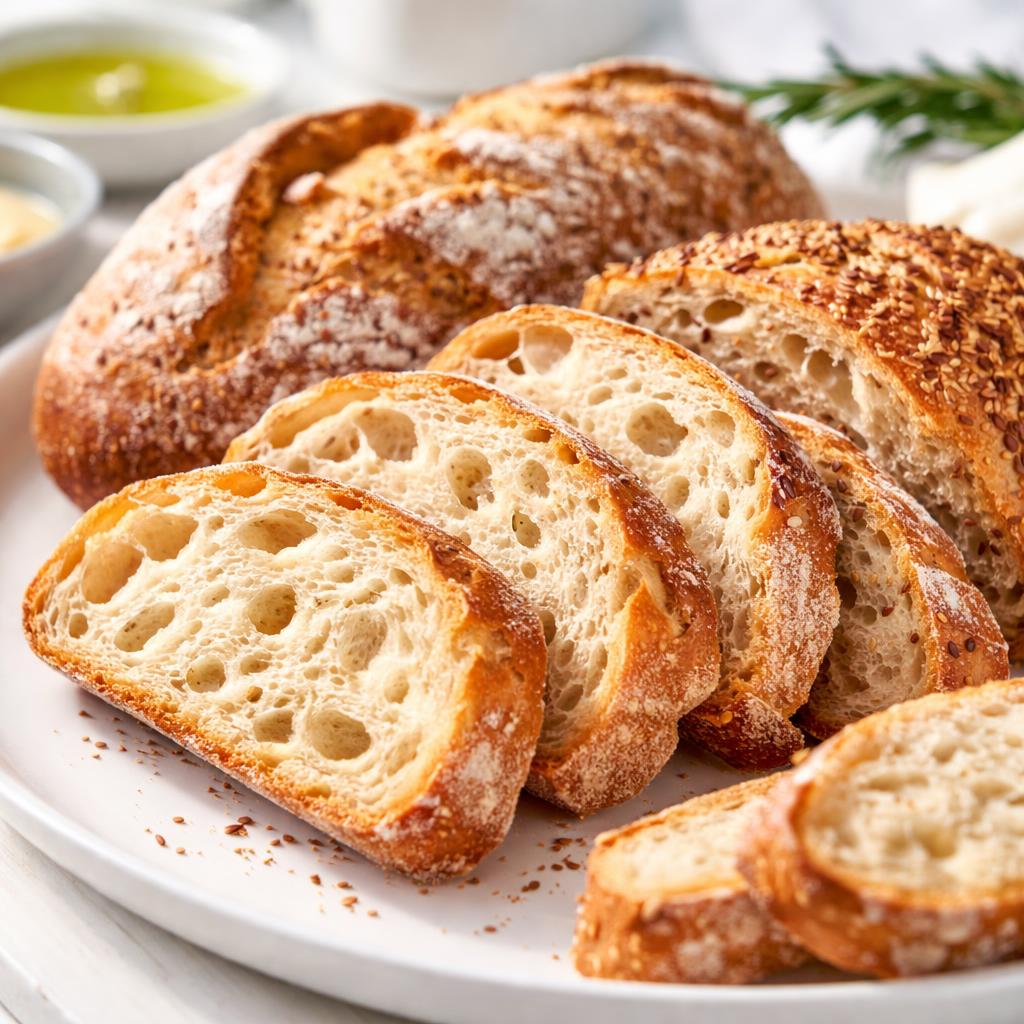
Bread
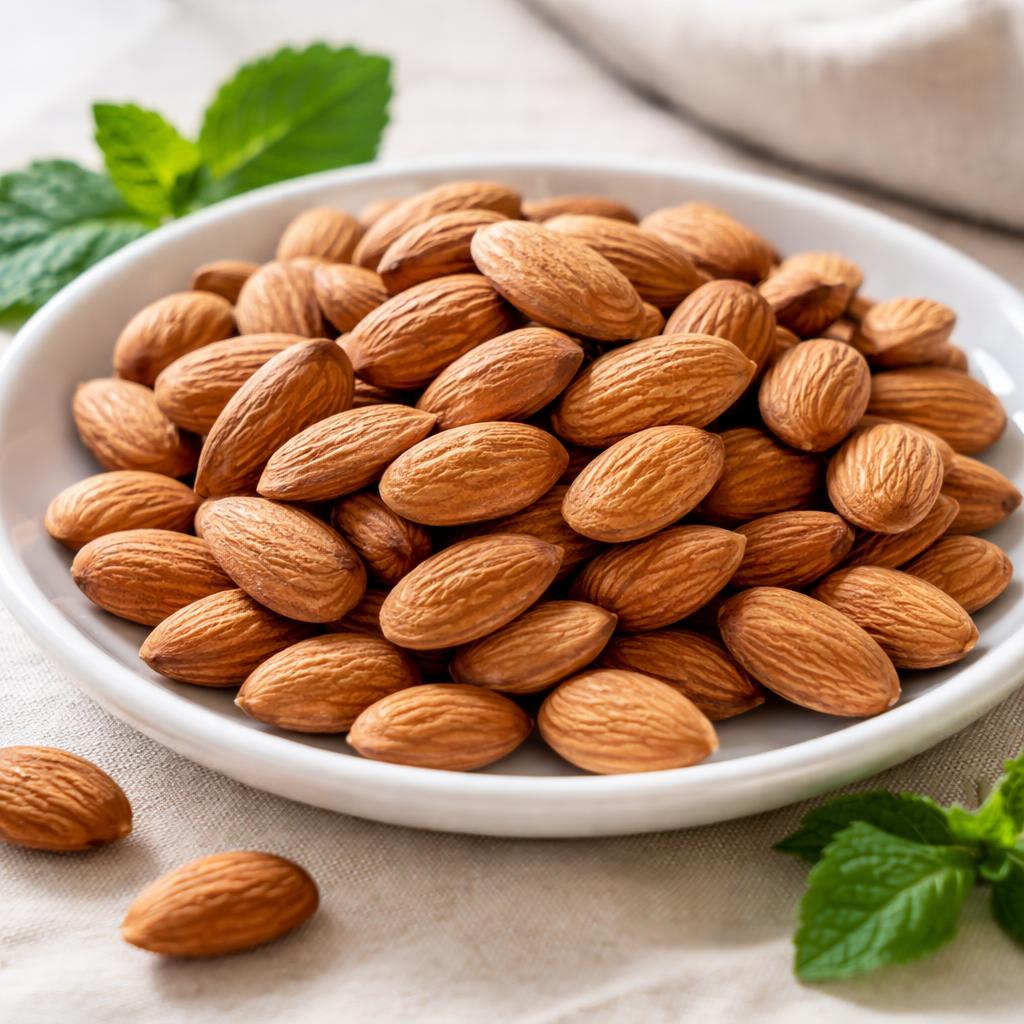
Almonds
🎯 Quick Verdict
Almonds (food2) are nutritionally dense, offering higher protein, fiber, and healthy fats compared to bread (food1), which is relatively low in these macros but has fewer calories. Bread is a better option for quick carbs, while almonds are ideal for sustained energy and nutrient-dense snacking.

Smart Nutrition Tracking with SnapCalorie

📊 Nutritional Comparison
Macronutrients
| Nutrient | Food 1 | Food 2 | Winner |
|---|---|---|---|
| Calories | 80 (for 1 slice, ~30g) | 160 (for 1 ounce, ~28g) | ✓ |
| Protein | 2.7g | 6g | ✓ |
| Carbs | 15g | 6g | ✓ |
| Fat | 1g | 14g | ✓ |
| Fiber | 0.9g | 3.5g | ✓ |
Vitamins & Minerals
| Nutrient | Food 1 | Food 2 | Winner |
|---|---|---|---|
| Vitamin E | 0.1mg | 7.3mg | ✓ |
| Calcium | 30mg | 76mg | ✓ |
| Iron | 0.7mg | 1mg | ✓ |
🏆 Category Winners
Protein
Almonds have over double the protein compared to bread per serving.
Fiber
Almonds provide nearly 4x more fiber, supporting digestive health.
Calories
Bread has roughly half the calories per serving compared to almonds.
Vitamins
Almonds are richer in key vitamins like Vitamin E and minerals like calcium and iron.
🥗 Diet Compatibility
Keto
Food 1: Not Compatible
Food 2: Compatible
Almonds are low-carb and high-fat, fitting keto diet standards; bread is carbohydrate-heavy.
Vegan
Food 1: Compatible
Food 2: Compatible
Both are plant-based and fit vegan diets.
Gluten Free
Food 1: Not Compatible
Food 2: Compatible
Bread typically contains gluten unless specified; almonds are naturally gluten-free.
Paleo
Food 1: Not Compatible
Food 2: Compatible
Bread is processed and excluded in paleo diets, while almonds are whole and paleo-friendly.
Low-Carb
Food 1: Not Compatible
Food 2: Compatible
Bread is high in carbohydrates; almonds are suitable for low-carb diets.
💪 Health Benefits Comparison
Food 1 Benefits
- Provides quick energy from carbohydrates
- Fortified breads contribute small amounts of calcium and iron
- Low-fat option for controlled calorie intake
Food 2 Benefits
- Rich in healthy monounsaturated fats for heart health
- Contains antioxidants like Vitamin E, beneficial for skin and immune health
- High protein content supports muscle maintenance
- Good source of fiber for digestive health and satiety
✅ The Bottom Line
Choose bread for quick energy needs and lower calorie meals, ideal for pre-workout or breakfast. Opt for almonds for nutrient-dense snacking, sustained energy, and better compatibility with high-protein, low-carb, or heart-healthy diets.
Choose Food 1 for: Low-calorie meals, quick carbohydrate energy, traditional diets
Choose Food 2 for: Sustained energy, nutrient-rich snacking, keto, paleo, and low-carb diets


