Bread Slices VS Quaker Oats
A detailed nutritional comparison
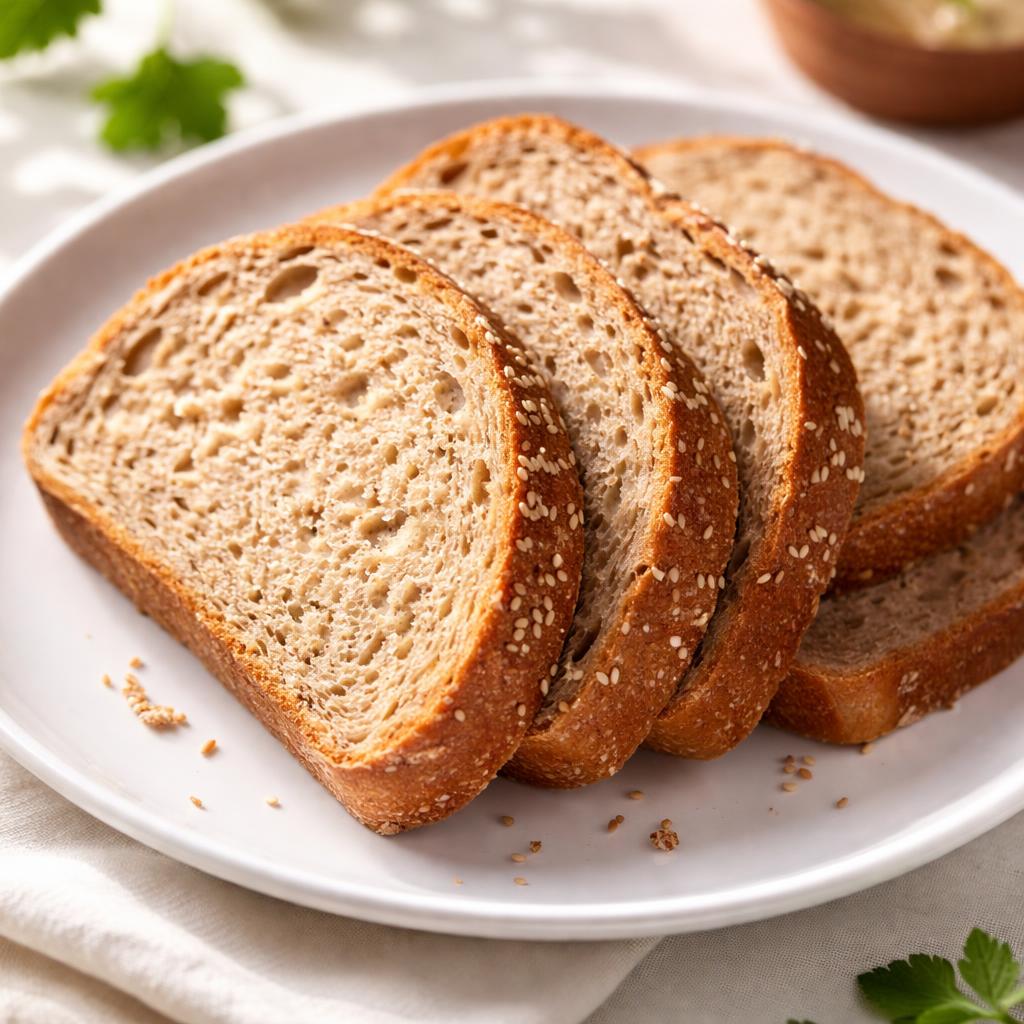
Bread Slices
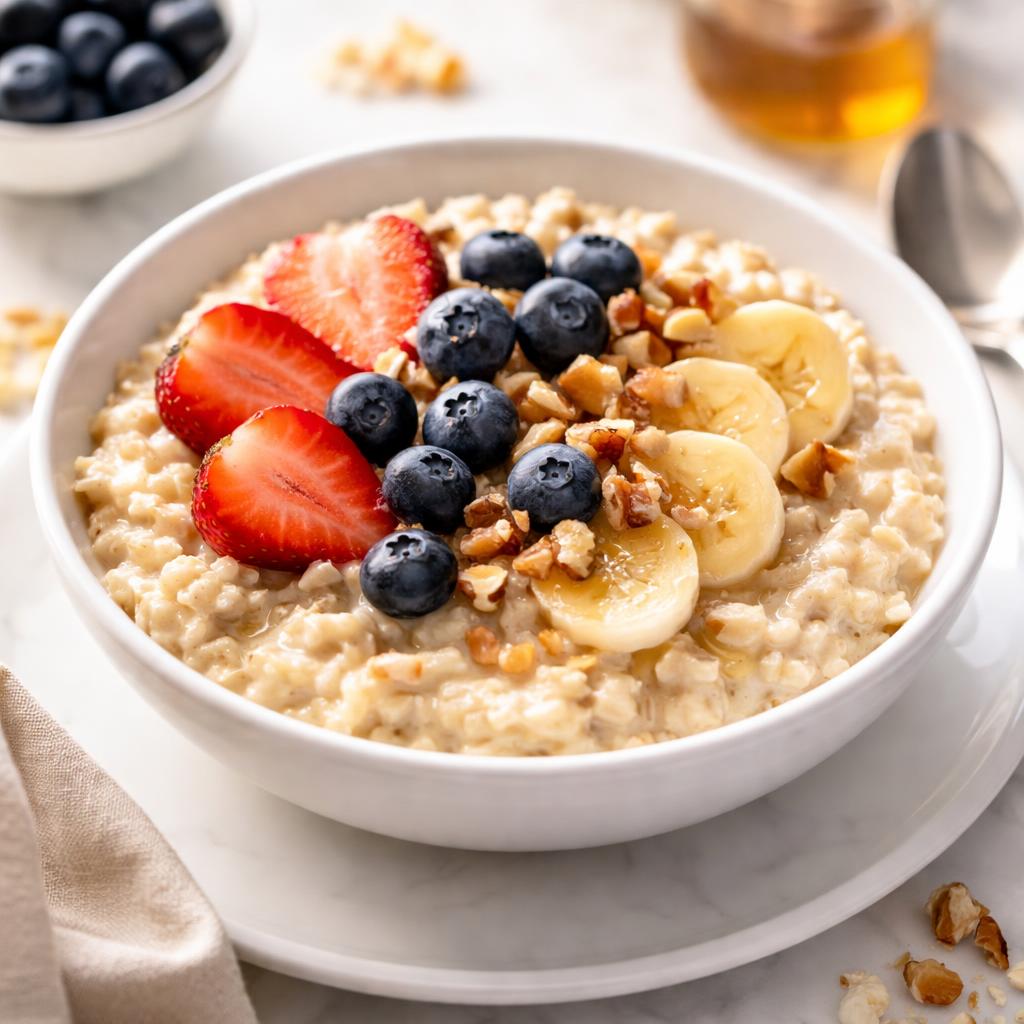
Quaker Oats
🎯 Quick Verdict
Quaker oats triumph as a more nutrient-dense choice, offering higher protein (5g vs 2g) and fiber (4g vs 1g) per serving compared to bread slices. Bread slices are lower in calories and convenient for traditional meal preparation, while oats provide sustained energy and versatility for health-focused diets like heart-healthy and vegan diets.

Smart Nutrition Tracking with SnapCalorie

📊 Nutritional Comparison
Macronutrients
| Nutrient | Food 1 | Food 2 | Winner |
|---|---|---|---|
| Calories | 80 | 150 | ✓ |
| Protein | 2g | 5g | ✓ |
| Carbs | 15g | 27g | ✓ |
| Fat | 1g | 3g | ✓ |
| Fiber | 1g | 4g | ✓ |
Vitamins & Minerals
| Nutrient | Food 1 | Food 2 | Winner |
|---|---|---|---|
| Vitamin D | 0mcg | 0mcg | − |
| Calcium | 30mg | 20mg | ✓ |
| Iron | 1mg | 1.5mg | ✓ |
🏆 Category Winners
Protein
Quaker oats deliver 150% more protein per 40g serving.
Fiber
Quaker oats provide 400% more fiber per serving.
Calories
Bread slices are significantly lower in calories per serving (80 vs 150).
🥗 Diet Compatibility
Keto
Food 1: Not Compatible
Food 2: Not Compatible
Both are high in carbs and unsuitable for the keto diet.
Vegan
Food 1: Compatible
Food 2: Compatible
Both foods are plant-based and vegan-friendly.
Gluten Free
Food 1: Not Compatible
Food 2: Sometimes Compatible
Bread contains gluten, while gluten-free oats may be available.
Paleo
Food 1: Not Compatible
Food 2: Not Compatible
Neither food aligns with strict paleo principles.
Low Carb
Food 1: Not Compatible
Food 2: Not Compatible
Both are relatively high in carbohydrates per serving.
💪 Health Benefits Comparison
Food 1 Benefits
- Lower calorie option for weight management
- Convenient for quick meal preparation
- Provides a small amount of calcium for bone health
Food 2 Benefits
- Rich in fiber for digestive health
- Contains complex carbohydrates for sustained energy
- Good source of plant-based protein
- Includes iron for improved oxygen transport in the body
✅ The Bottom Line
Bread slices are ideal for quick meals and those seeking a lower-calorie option. Quaker oats, with significantly higher fiber and protein, are better for sustained energy and those aiming for a nutrient-dense breakfast or snack. Choose bread for convenience; go with oats for better overall health and satiety.
Choose Food 1 for: Quick meals, traditional sandwiches, lower calorie snacks
Choose Food 2 for: Heart health, sustained energy, fiber-rich breakfasts


