Bread Slice VS Wholewheat Bread
A detailed nutritional comparison
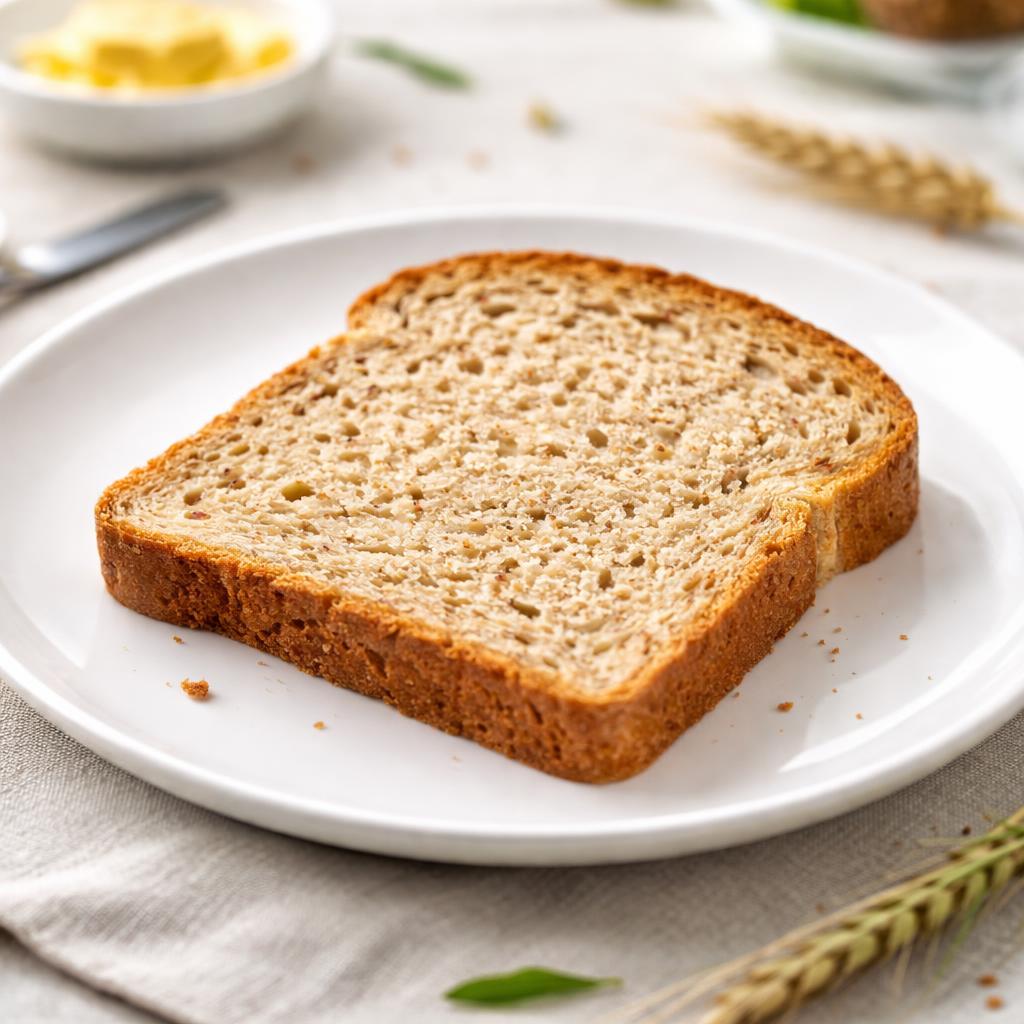
Bread Slice
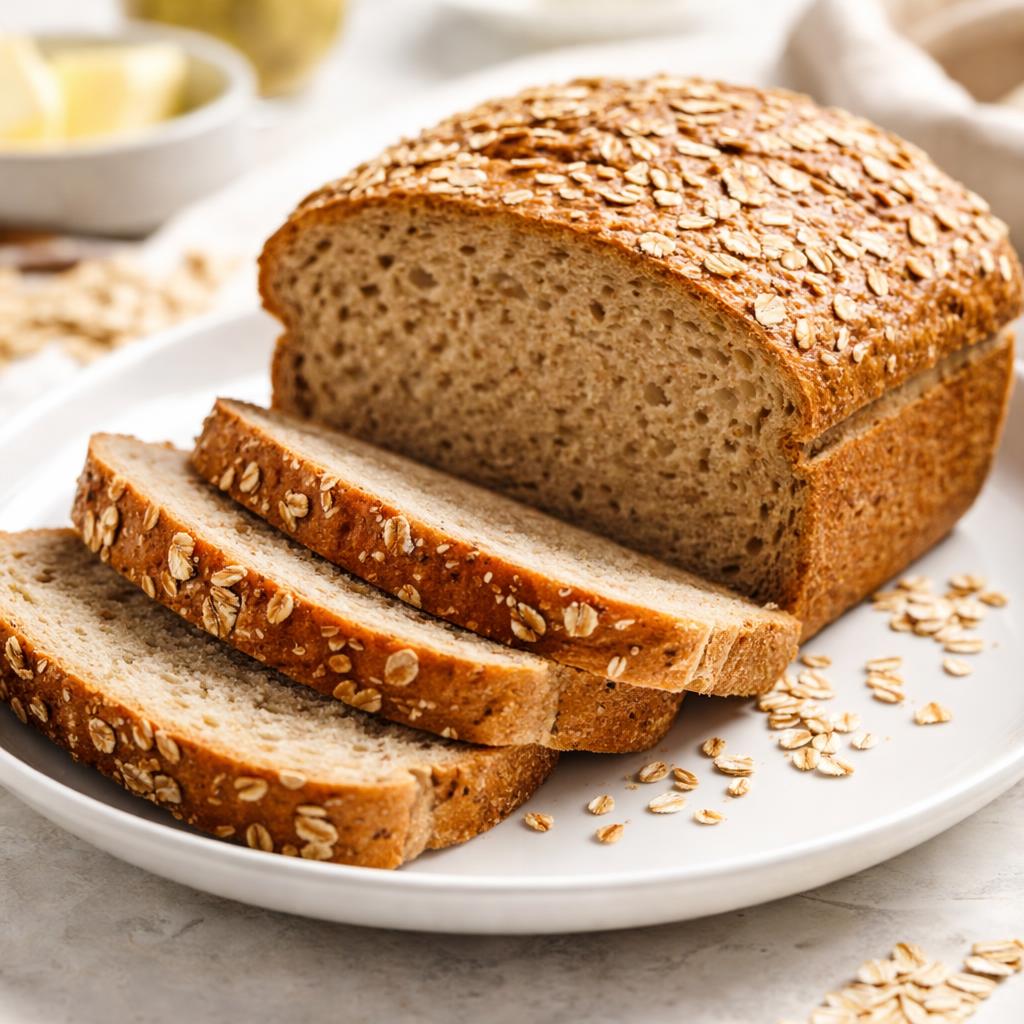
Wholewheat Bread
🎯 Quick Verdict
Wholewheat bread is nutritionally superior to white bread, offering more fiber, protein, and essential vitamins and minerals per slice. While both are similar in calories, wholewheat bread is better for sustained energy and digestion, whereas white bread is less nutrient-dense and has fewer health benefits overall.

Smart Nutrition Tracking with SnapCalorie

📊 Nutritional Comparison
Macronutrients
| Nutrient | Food 1 | Food 2 | Winner |
|---|---|---|---|
| Calories | 75 | 75 | − |
| Protein | 2.6g | 3.5g | − |
| Carbs | 14g | 13g | − |
| Fat | 0.7g | 0.9g | − |
| Fiber | 0.5g | 1.9g | − |
Vitamins & Minerals
| Nutrient | Food 1 | Food 2 | Winner |
|---|---|---|---|
| Vitamin B6 | 0.03mg | 0.1mg | − |
| Magnesium | 6mg | 22mg | − |
| Iron | 0.7mg | 0.9mg | − |
🏆 Category Winners
Protein
Wholewheat bread provides 35% more protein per slice compared to white bread.
Fiber
Wholewheat bread has nearly 4x more fiber, supporting better digestive health.
Calories
Both breads have similar calorie content, approximately 75 per slice.
Vitamins
Wholewheat bread contains higher levels of essential vitamins and minerals such as magnesium and Vitamin B6.
🥗 Diet Compatibility
Keto
Food 1: Not Compatible
Food 2: Not Compatible
Neither food is low-carb enough for keto diets.
Vegan
Food 1: Compatible
Food 2: Compatible
Both options are plant-based and vegan-friendly.
Gluten Free
Food 1: Not Compatible
Food 2: Not Compatible
Both breads contain gluten.
Paleo
Food 1: Not Compatible
Food 2: Not Compatible
Bread is not allowed on a paleo diet due to processed grains.
Low-Carb
Food 1: Not Compatible
Food 2: Not Compatible
Carbs are too high for a low-carb diet in both bread types.
💪 Health Benefits Comparison
Food 1 Benefits
- Provides quick energy from carbohydrates
- Easy to digest for sensitive stomachs
- Convenient base for various meals
Food 2 Benefits
✅ The Bottom Line
Choose wholewheat bread for its higher fiber, protein, and nutrient content, making it a better choice for digestion, energy provision, and overall health. White bread, while convenient, falls short nutritionally and is less filling.
Choose Food 1 for: Quick meals, sensitive stomachs, general convenience
Choose Food 2 for: Sustained energy, digestive health, nutrient-dense snacks


