Bread Slice VS Slice Of Whole Grain Bread
A detailed nutritional comparison
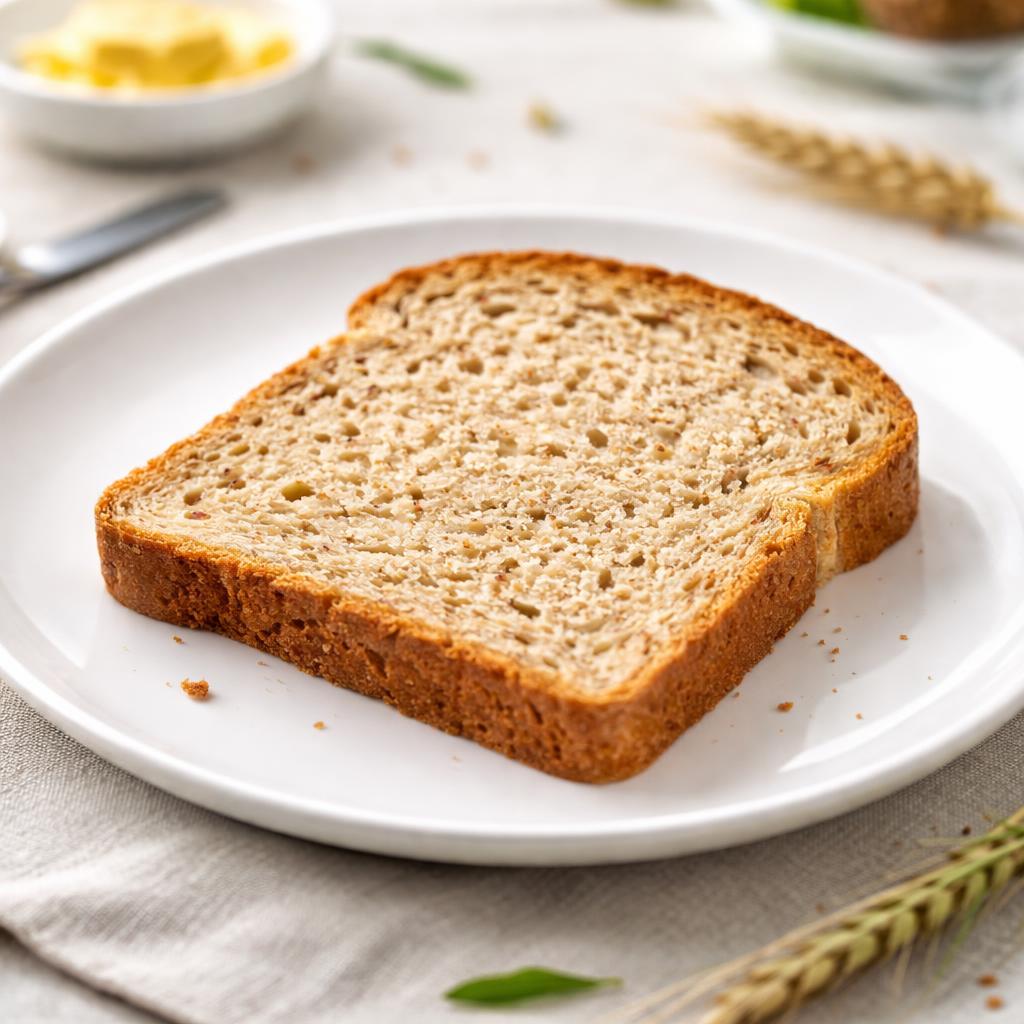
Bread Slice
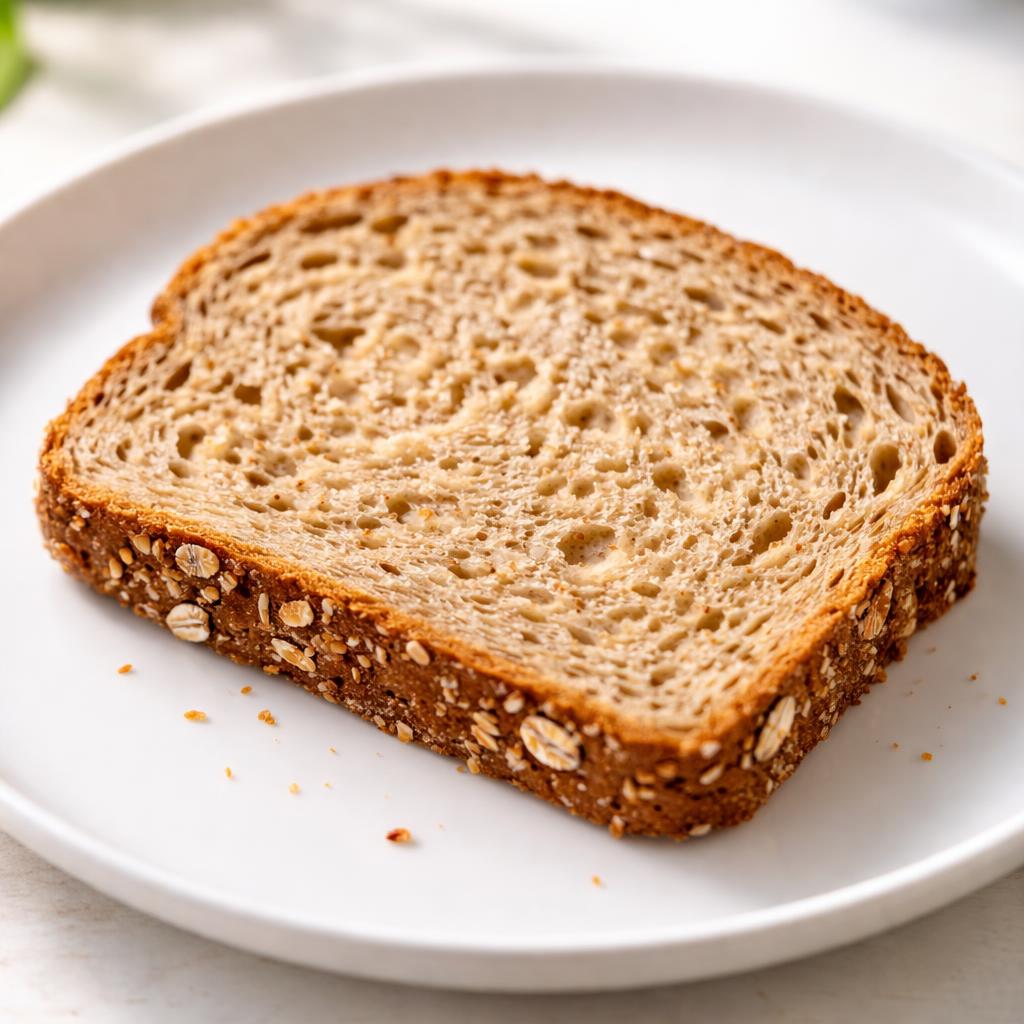
Slice Of Whole Grain Bread
🎯 Quick Verdict
Whole grain bread (food2) outshines regular bread (food1) in terms of nutritional benefits, offering nearly double the fiber content and slightly more protein. While food1 is lower in calories, food2 is better for sustained energy and digestive health due to its whole grain composition, making it ideal for a balanced daily diet.

Smart Nutrition Tracking with SnapCalorie

📊 Nutritional Comparison
Macronutrients
| Nutrient | Food 1 | Food 2 | Winner |
|---|---|---|---|
| Calories | 80 | 100 | ✓ |
| Protein | 2g | 4g | ✓ |
| Carbs | 15g | 18g | ✓ |
| Fat | 1g | 1.5g | ✓ |
| Fiber | 0.5g | 2g | ✓ |
Vitamins & Minerals
| Nutrient | Food 1 | Food 2 | Winner |
|---|---|---|---|
| Vitamin B6 | 0.02mg | 0.1mg | ✓ |
| Magnesium | 5mg | 24mg | ✓ |
| Iron | 0.7mg | 1mg | ✓ |
🏆 Category Winners
Protein
Food2 contains 100% more protein, ideal for supporting muscle repair.
Fiber
Food2 has 4 times the fiber content for enhancing digestive health.
Calories
Food1 is lower in calories by 20%, which may benefit calorie-conscious diets.
Vitamins
Food2 provides more B6, magnesium, and iron for energy and immune support.
🥗 Diet Compatibility
Keto
Food 1: Not Compatible
Food 2: Not Compatible
Both are higher-carb foods.
Vegan
Food 1: Compatible
Food 2: Compatible
Both are plant-based.
Gluten Free
Food 1: Not Compatible
Food 2: Not Compatible
Both contain gluten due to wheat content.
Paleo
Food 1: Not Compatible
Food 2: Not Compatible
Neither fits paleo guidelines.
Low Carb
Food 1: Not Compatible
Food 2: Not Compatible
Both are not suitable for low-carb diets due to high carb content.
💪 Health Benefits Comparison
Food 1 Benefits
- Low in calories, ideal for reducing overall calorie intake
- Quick and convenient energy source
- Contains modest amounts of iron to support oxygen transport in the body
Food 2 Benefits
- High fiber content aids digestive health and promotes satiety
- More protein to support muscle maintenance and repair
- Rich in micronutrients like magnesium and B6 for energy production and nerve function
✅ The Bottom Line
If prioritizing nutrient density and long-term health benefits, choose whole grain bread (food2) for its higher fiber, protein, and micronutrient content. For a lower-calorie option or quick energy fix, regular bread (food1) may be preferred, but it lacks the added benefits of whole grains.
Choose Food 1 for: Calorie-conscious diets, quick energy, budget-friendly options
Choose Food 2 for: Digestive health, balanced nutrition, sustained energy


