Bread Slice VS Dark Bread
A detailed nutritional comparison
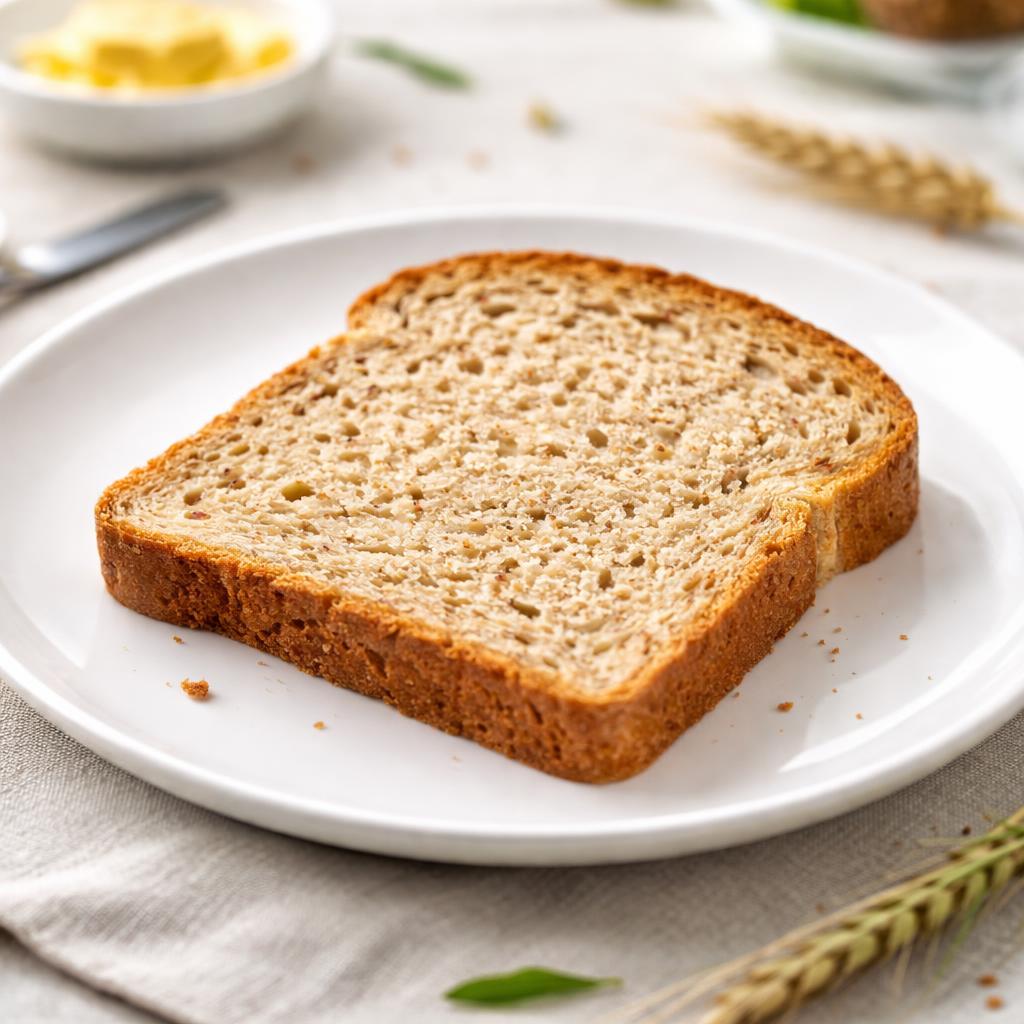
Bread Slice
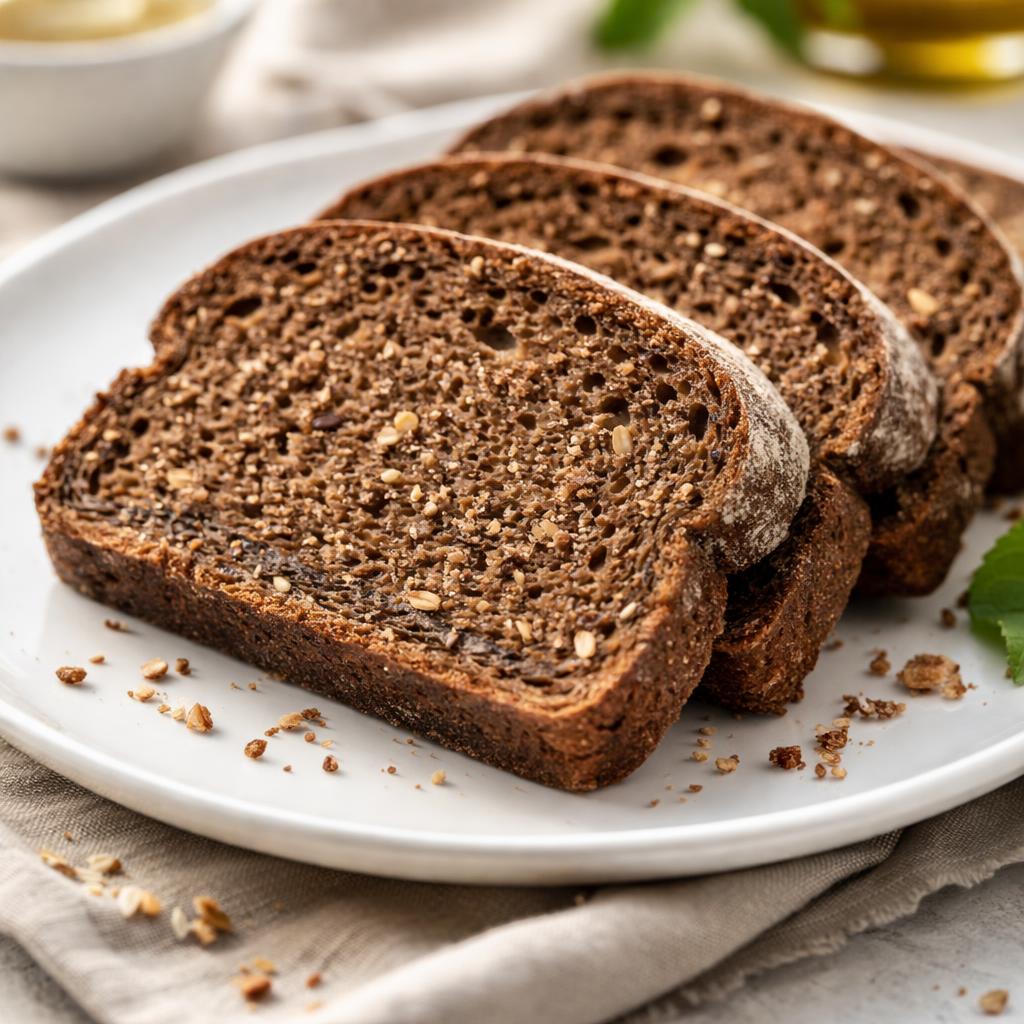
Dark Bread
🎯 Quick Verdict
A standard bread slice and dark bread differ notably in fiber, micronutrient content, and health benefits. Dark bread is richer in fiber, vitamins, and minerals, making it a nutrient-dense choice, while regular bread tends to be lower in these but provides a more neutral taste profile. Dark bread is ideal for sustained energy and digestive health, while a standard bread slice works well for quick meals or snacks without special dietary needs.

Smart Nutrition Tracking with SnapCalorie

📊 Nutritional Comparison
Macronutrients
| Nutrient | Food 1 | Food 2 | Winner |
|---|---|---|---|
| Calories | 75 | 75 | − |
| Protein | 2.5g | 2.5g | − |
| Carbs | 14g | 13g | − |
| Fat | 0.8g | 0.9g | − |
| Fiber | 0.5g | 2g | − |
Vitamins & Minerals
| Nutrient | Food 1 | Food 2 | Winner |
|---|---|---|---|
| Vitamin B6 | 0.01mg | 0.2mg | − |
| Magnesium | 5mg | 20mg | − |
| Iron | 0.4mg | 1mg | − |
🏆 Category Winners
Protein
Both contain equal amounts of protein at 2.5g per serving.
Fiber
Dark bread offers 4x more fiber per slice, enhancing digestive health.
Calories
Calories per serving are identical at 75.
Vitamins
Dark bread is significantly richer in micronutrients like magnesium, iron, and B vitamins.
🥗 Diet Compatibility
Keto
Food 1: Not Compatible
Food 2: Not Compatible
Both are higher in carbs and not suitable for keto diets.
Vegan
Food 1: Compatible
Food 2: Compatible
Both are plant-based and suitable for vegan diets.
Gluten Free
Food 1: Not Compatible
Food 2: Not Compatible
Both contain gluten from wheat or related grains.
Paleo
Food 1: Not Compatible
Food 2: Not Compatible
Neither aligns with paleo diet principles due to grain-based content.
Low-Carb
Food 1: Not Compatible
Food 2: Not Compatible
Carbohydrate levels are too high for typical low-carb diets.
💪 Health Benefits Comparison
Food 1 Benefits
- Provides quick energy through simple carbs
- Low in fat, supporting weight maintenance
- Neutral flavor pairs well with diverse meals
Food 2 Benefits
- High fiber content aids in digestion
- Rich in magnesium for bone health and muscle function
- Contains B vitamins supporting energy metabolism
✅ The Bottom Line
Choose dark bread for its higher fiber, micronutrient profile, and overall health benefits. Opt for a standard bread slice if you need a neutral-tasting base for meals without focus on added benefits.
Choose Food 1 for: Quick meals, snacks, basic sandwiches
Choose Food 2 for: Fiber intake, sustained energy, nutrient-rich lunches


