Bread Slice VS Cooked Buckwheat
A detailed nutritional comparison
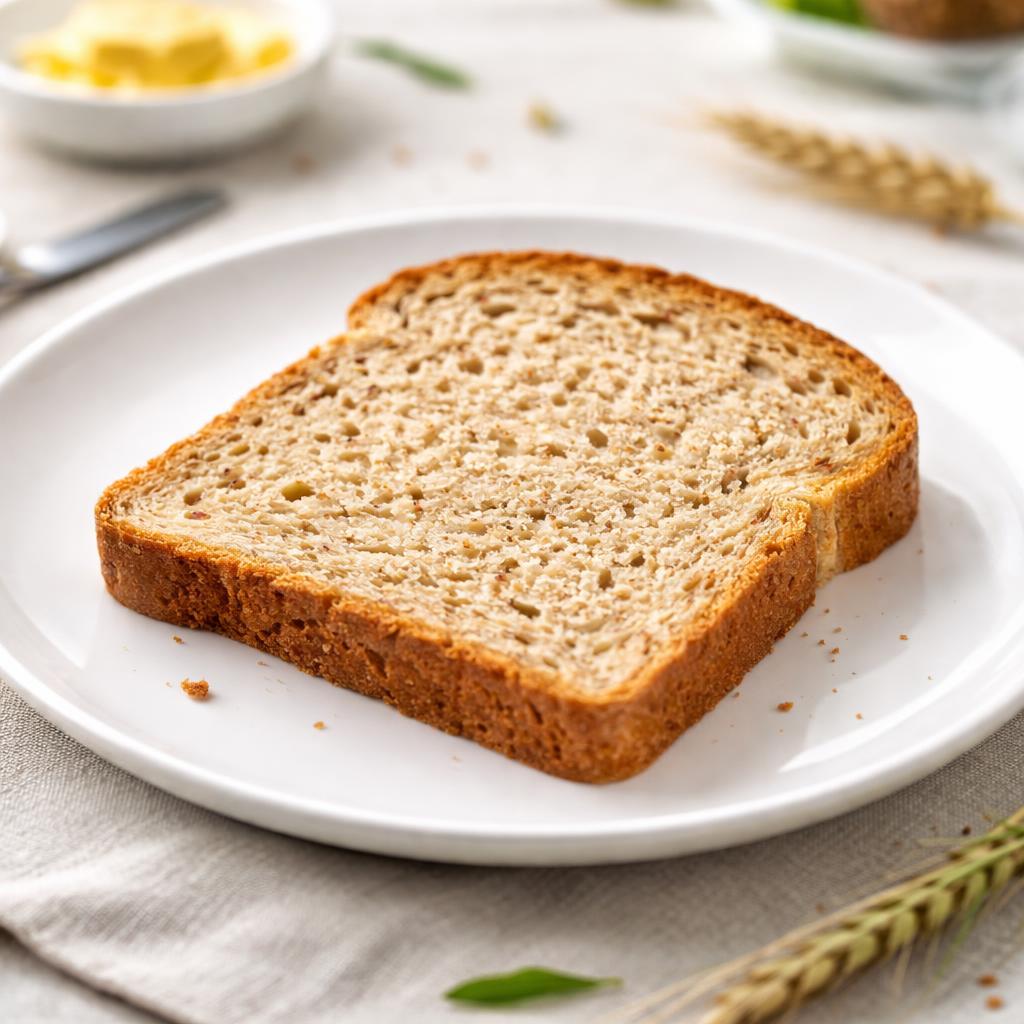
Bread Slice
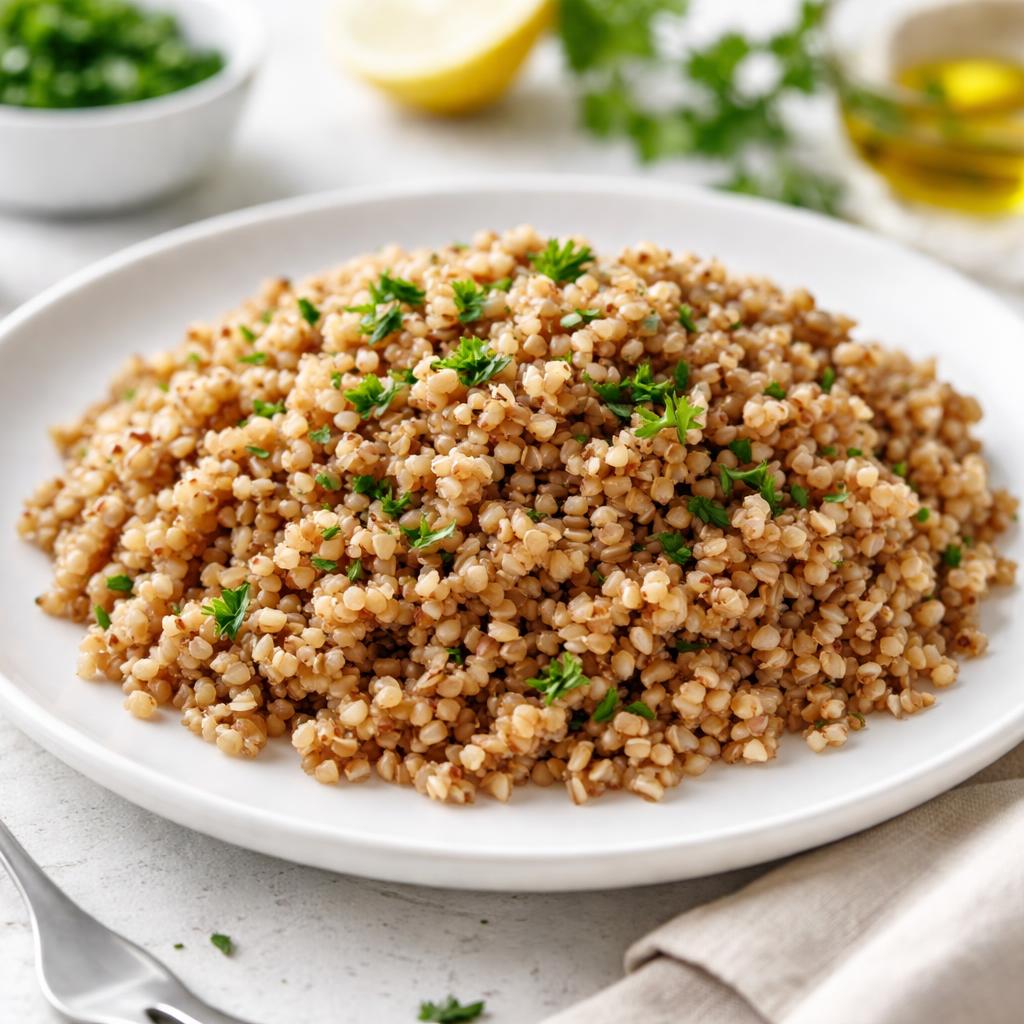
Cooked Buckwheat
🎯 Quick Verdict
Cooked buckwheat is superior to a bread slice in terms of nutritional density. Buckwheat has more protein and fiber, fewer calories, and a lower glycemic impact compared to bread. Bread may be convenient and a source of quick energy, but buckwheat is better for sustained energy and overall nutrient intake, making it suitable for diets focusing on whole foods and improved digestion.

Smart Nutrition Tracking with SnapCalorie

📊 Nutritional Comparison
Macronutrients
| Nutrient | Food 1 | Food 2 | Winner |
|---|---|---|---|
| Calories | 80 | 70 | ✓ |
| Protein | 2g | 3.5g | ✓ |
| Carbs | 15g | 14g | ✓ |
| Fat | 1g | 0.5g | ✓ |
| Fiber | 1g | 2.5g | ✓ |
Vitamins & Minerals
| Nutrient | Food 1 | Food 2 | Winner |
|---|---|---|---|
| Vitamin B6 | 0.05mg | 0.1mg | ✓ |
| Magnesium | 5mg | 65mg | ✓ |
| Iron | 0.5mg | 0.8mg | ✓ |
| Calcium | 20mg | 7mg | ✓ |
🏆 Category Winners
Protein
Buckwheat has 75% more protein than bread.
Fiber
Buckwheat is 2.5 times richer in fiber.
Calories
Buckwheat has slightly fewer calories.
Vitamins
Buckwheat is richer in magnesium, iron, and other vitamins.
🥗 Diet Compatibility
Keto
Food 1: Not Compatible
Food 2: Not Compatible
Both are too high in carbs for keto.
Vegan
Food 1: Compatible
Food 2: Compatible
Both foods are plant-based.
Gluten Free
Food 1: Not Compatible
Food 2: Compatible
Bread typically contains gluten while buckwheat is gluten-free.
Paleo
Food 1: Not Compatible
Food 2: Compatible
Buckwheat aligns with paleo principles; bread does not.
Low Carb
Food 1: Not Compatible
Food 2: Not Compatible
Both are moderately to high carb foods.
💪 Health Benefits Comparison
Food 1 Benefits
- Provides quick energy from carbs
- Convenient source for snacks or sandwiches
- Contains calcium for bone health
Food 2 Benefits
- High in fiber to support digestion
- Rich in magnesium for overall health
- Offers sustained energy with protein and slower-digesting carbs
- Gluten-free and suitable for sensitive diets
✅ The Bottom Line
Choose buckwheat for nutrient density, sustained energy, and fiber content, especially if you're looking to avoid gluten or processed foods. Bread is more convenient and may suit quick meals or snacks but provides fewer overall health benefits.
Choose Food 1 for: Snack sandwiches, quick energy boosts, low-cost meals
Choose Food 2 for: Digestion improvement, gluten-free diets, whole food-based meals, satiety


