Bread Slice VS Ciabatta Bread
A detailed nutritional comparison
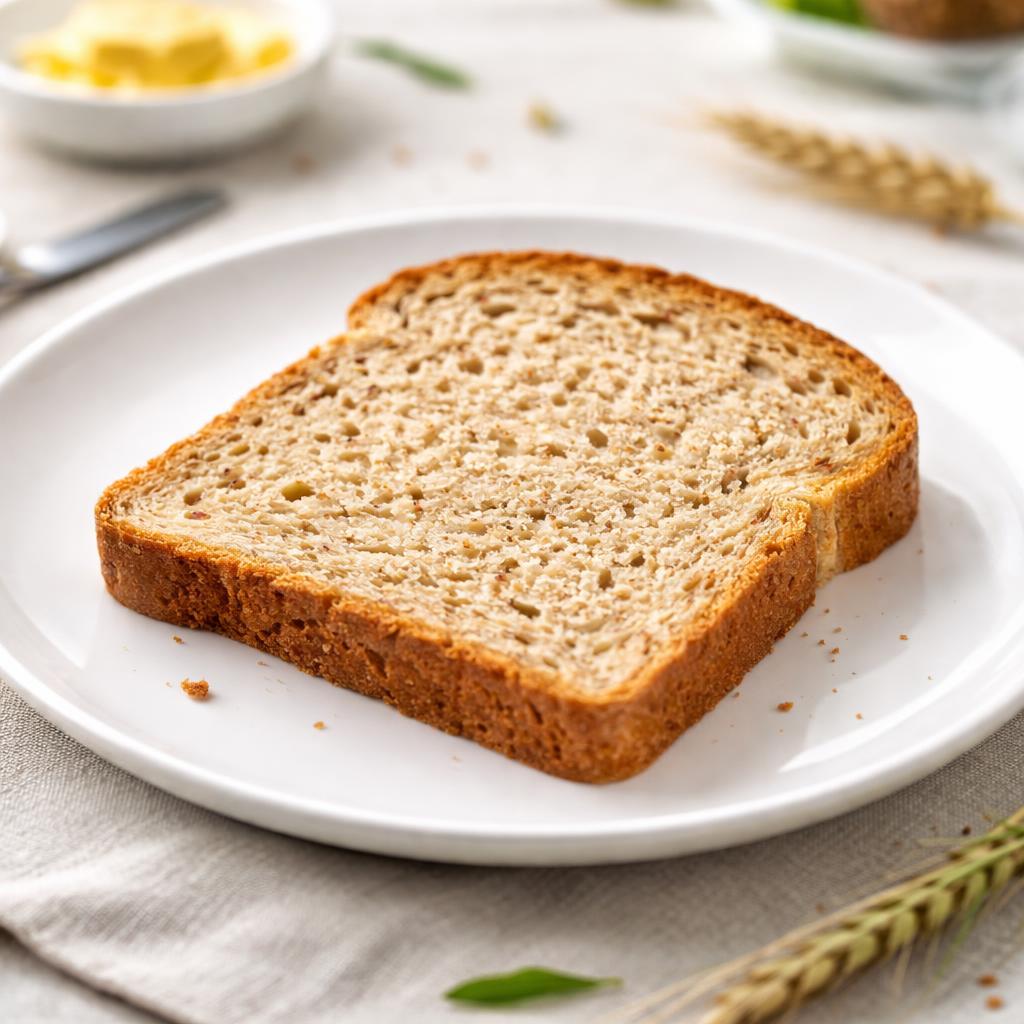
Bread Slice
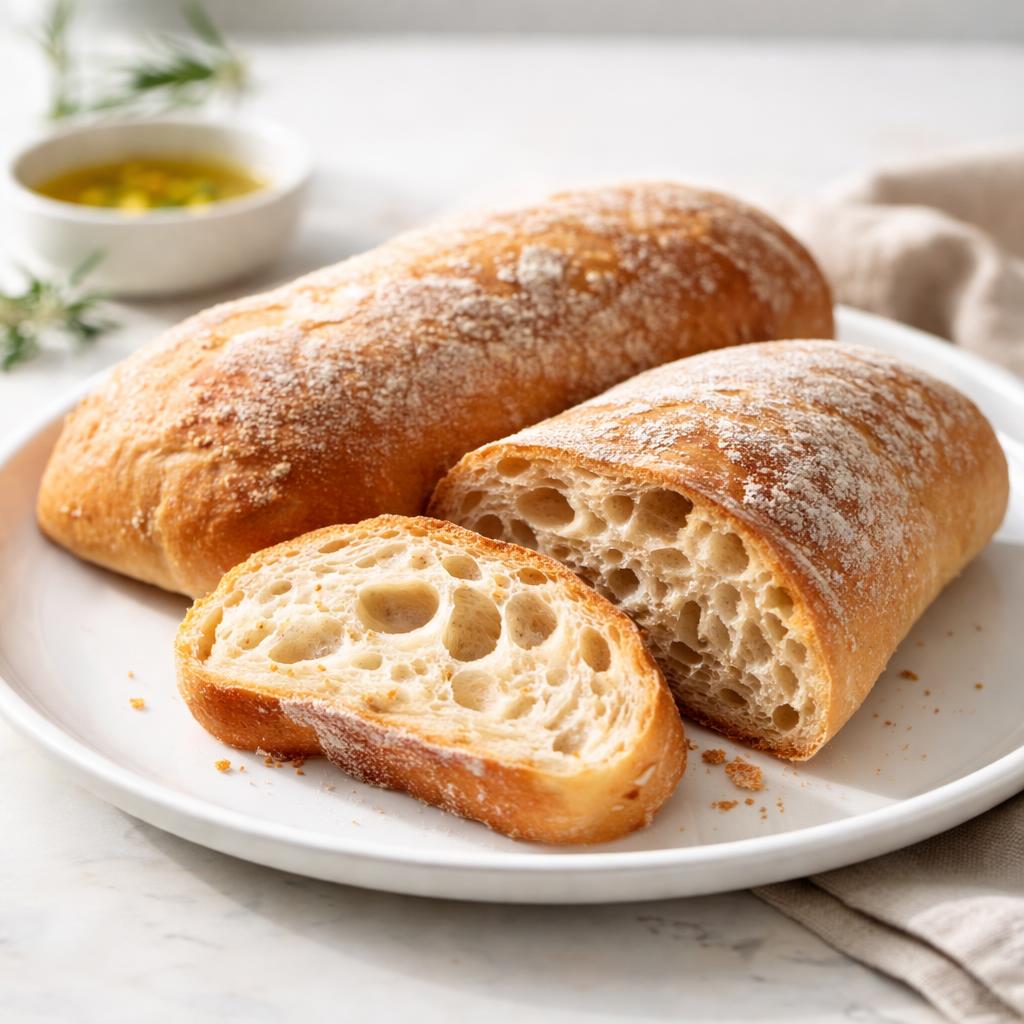
Ciabatta Bread
🎯 Quick Verdict
A standard bread slice is lower in calories, higher in fiber, and has slightly more protein compared to ciabatta bread. Ciabatta bread is denser, higher in calories, and typically contains less fiber, making it more suitable for energy-dense meals. Choose bread slices for lighter, nutrient-conscious options and ciabatta for hearty sandwiches or indulgence moments.

Smart Nutrition Tracking with SnapCalorie

📊 Nutritional Comparison
Macronutrients
| Nutrient | Food 1 | Food 2 | Winner |
|---|---|---|---|
| Calories | 80 | 120 | − |
| Protein | 3g | 2.5g | − |
| Carbs | 15g | 23g | − |
| Fat | 1g | 2g | − |
| Fiber | 1g | 0.5g | − |
Vitamins & Minerals
| Nutrient | Food 1 | Food 2 | Winner |
|---|---|---|---|
| Vitamin D | 0mcg | 0mcg | − |
| Calcium | 50mg | 30mg | − |
| Iron | 0.5mg | 0.3mg | − |
🏆 Category Winners
Protein
Bread slice has 20% more protein per serving compared to ciabatta.
Fiber
Bread slice has double the fiber content compared to ciabatta.
Calories
Bread slice contains 33% fewer calories than ciabatta bread.
Vitamins
Bread slice has slightly higher amounts of calcium and iron.
🥗 Diet Compatibility
Keto
Food 1: Not Compatible
Food 2: Not Compatible
Both options are high in carbs and unsuitable for a keto diet.
Vegan
Food 1: Compatible
Food 2: Compatible
Both are plant-based, assuming no dairy or animal-derived additives.
Gluten Free
Food 1: Not Compatible
Food 2: Not Compatible
Both foods contain gluten.
Paleo
Food 1: Not Compatible
Food 2: Not Compatible
Neither are allowed on the paleo diet due to the inclusion of grains.
Low-Carb
Food 1: Not Compatible
Food 2: Not Compatible
Both foods are relatively high in carbohydrates, making them unsuitable for strict low-carb diets.
💪 Health Benefits Comparison
Food 1 Benefits
- Lower calorie option for weight management
- Provides a small amount of protein for muscle repair
- Contains more fiber to support digestion and gut health
- Good source of calcium for bone strength
Food 2 Benefits
- Higher in carbohydrates, providing quick energy
- Softer texture, which may be easier to digest
- Pairs well with nutrient-dense toppings for a balanced meal
- Slightly richer flavor profile for more enjoyable eating experiences
✅ The Bottom Line
Bread slices are better suited for calorie-conscious individuals or those looking for higher fiber and protein content. Ciabatta bread, while higher in calories and carbs, is ideal for hearty meals or when requiring more energy. Both options can fit into a balanced diet when used appropriately.
Choose Food 1 for: Weight management, digestion support, light meals or snacks
Choose Food 2 for: Energy-dense meals, larger sandwiches, indulgent recipes


