Bread Rolls VS Whole-Grain Bread
A detailed nutritional comparison

Bread Rolls
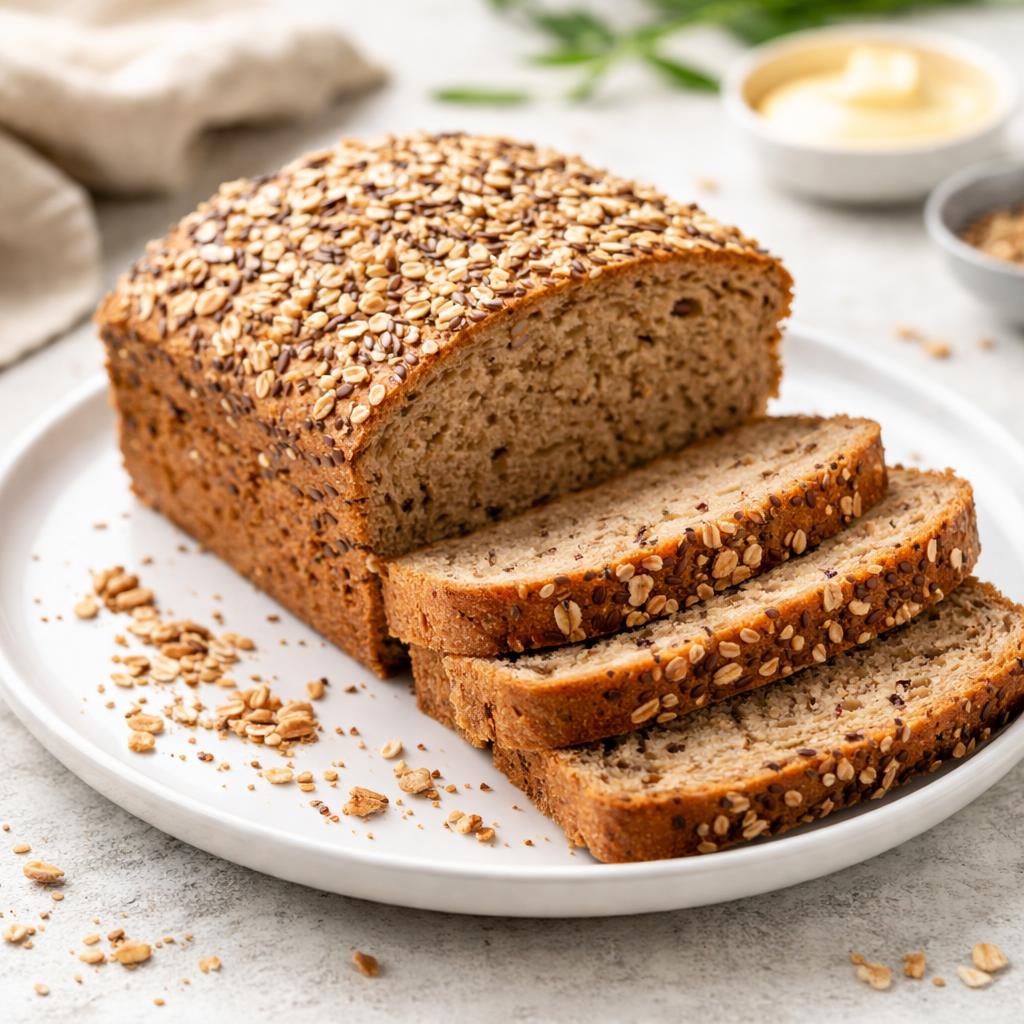
Whole-Grain Bread
🎯 Quick Verdict
Whole-grain bread is nutritionally superior to bread rolls, offering higher protein, more fiber, and fewer calories. Bread rolls are typically lower in nutrient density but may be preferred for softer texture and convenience for sandwiches. Whole-grain bread is a better choice for balanced meals and fiber-rich diets.

Smart Nutrition Tracking with SnapCalorie

📊 Nutritional Comparison
Macronutrients
| Nutrient | Food 1 | Food 2 | Winner |
|---|---|---|---|
| Calories | 230 | 190 | ✓ |
| Protein | 6g | 10g | ✓ |
| Carbs | 42g | 35g | ✓ |
| Fat | 5g | 3g | ✓ |
| Fiber | 2g | 5g | ✓ |
Vitamins & Minerals
| Nutrient | Food 1 | Food 2 | Winner |
|---|---|---|---|
| Vitamin D | 0mcg | 0mcg | − |
| Calcium | 80mg | 130mg | ✓ |
| Iron | 2mg | 3mg | ✓ |
| Magnesium | 20mg | 50mg | ✓ |
🏆 Category Winners
Protein
Whole-grain bread provides over 60% more protein per serving compared to bread rolls.
Fiber
Whole-grain bread contains more than double the fiber content of bread rolls.
Calories
Whole-grain bread has approximately 17% fewer calories than bread rolls.
Vitamins
Whole-grain bread is richer in calcium, iron, and magnesium per serving than bread rolls.
🥗 Diet Compatibility
Keto
Food 1: Not Compatible
Food 2: Not Compatible
Both are high-carb and unsuitable for keto diets.
Vegan
Food 1: Compatible
Food 2: Compatible
Neither contains animal products (assuming no additives of concern).
Gluten Free
Food 1: Not Compatible
Food 2: Not Compatible
Both contain gluten.
Paleo
Food 1: Not Compatible
Food 2: Not Compatible
Grains are excluded from the paleo diet.
Low Carb
Food 1: Not Compatible
Food 2: Not Compatible
Both foods have high carbohydrate content.
💪 Health Benefits Comparison
Food 1 Benefits
- Convenient for quick meals like sandwiches or sliders
- Provides moderate amounts of iron for blood health
- Delivers energy from carbohydrates for active lifestyles
Food 2 Benefits
- Rich in fiber to support digestive health
- Provides higher protein for muscle maintenance and recovery
- Contains essential minerals like magnesium and iron for bone and blood health
- Lower calorie option for weight management
✅ The Bottom Line
Whole-grain bread is the clear winner for overall nutrition, offering more fiber, higher protein, and fewer calories per serving. Bread rolls may be suitable for those seeking softer texture or an option for sandwiches, but whole-grain bread is better for balanced diets and improving fiber intake.
Choose Food 1 for: Convenient meals, soft-texture sandwiches, quick energy source
Choose Food 2 for: Weight loss, balanced nutrition, fiber-rich diets, and improved mineral intake


