Bread Rolls VS Seed Bread
A detailed nutritional comparison
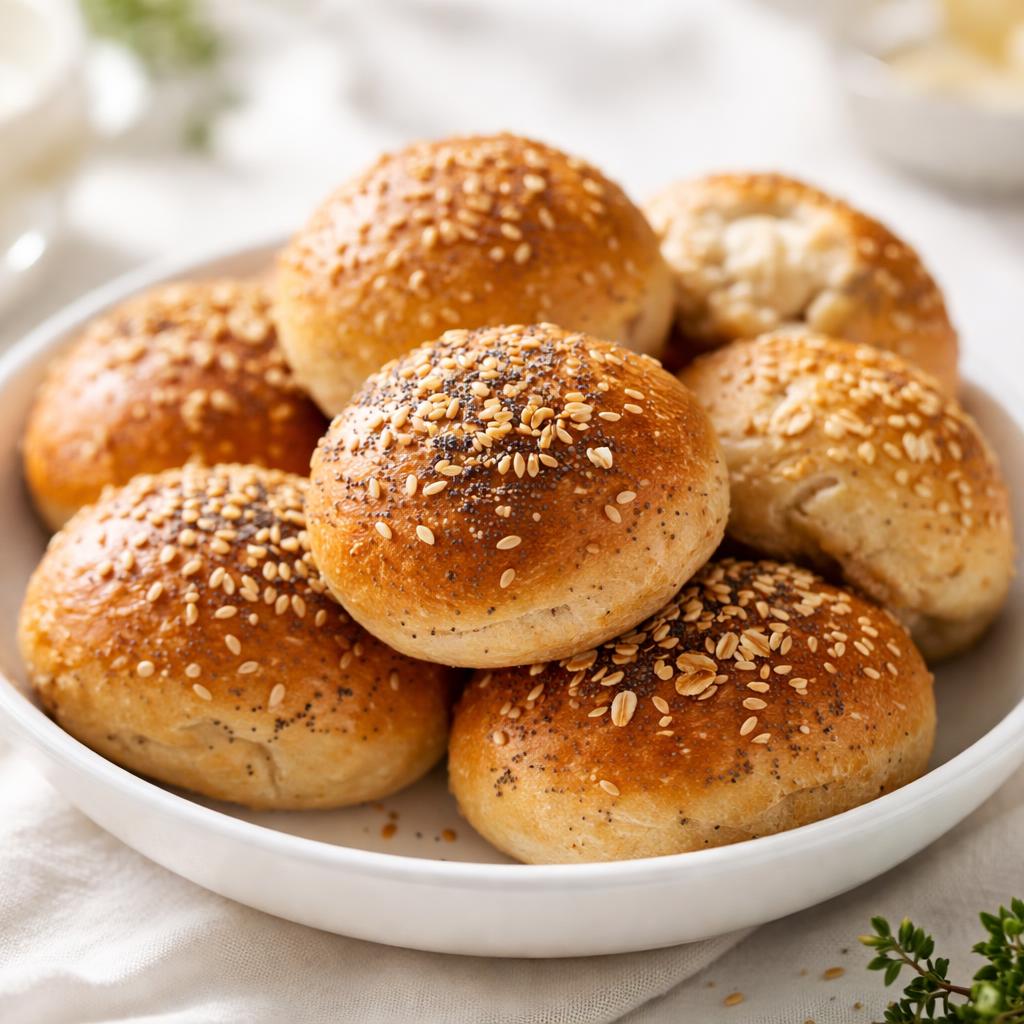
Bread Rolls
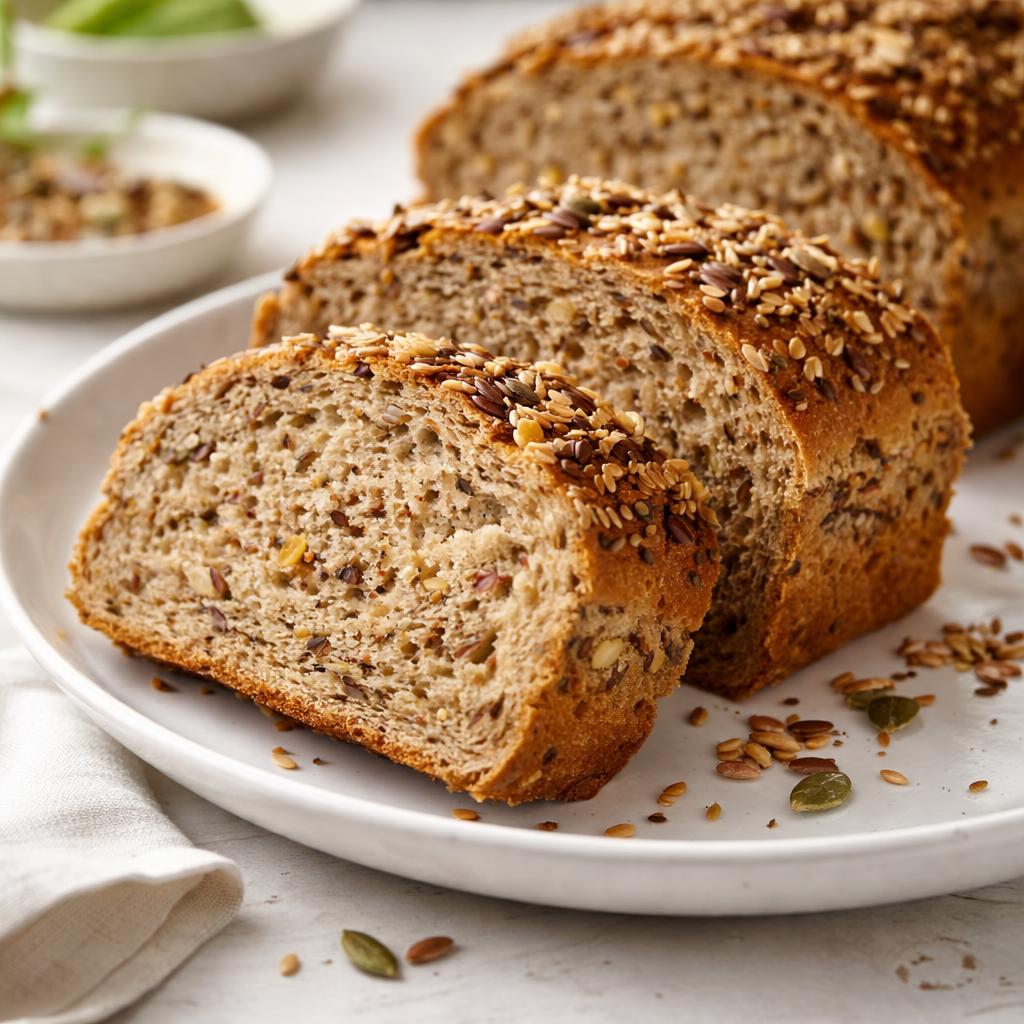
Seed Bread
🎯 Quick Verdict
Seed bread outshines bread rolls overall, offering higher protein (6g vs 4g per slice), more fiber (4g vs 1g), and fewer calories (120 vs 150 per serving). Bread rolls are lighter but more carbohydrate-rich (28g vs 24g), making them suitable for energy boosts, while seed bread is ideal for nutrient-dense meals and better digestion support.

Smart Nutrition Tracking with SnapCalorie

📊 Nutritional Comparison
Macronutrients
| Nutrient | Food 1 | Food 2 | Winner |
|---|---|---|---|
| Calories | 150 | 120 | ✓ |
| Protein | 4g | 6g | ✓ |
| Carbs | 28g | 24g | ✓ |
| Fat | 2g | 5g | ✓ |
| Fiber | 1g | 4g | ✓ |
Vitamins & Minerals
| Nutrient | Food 1 | Food 2 | Winner |
|---|---|---|---|
| Vitamin D | 0 | 0 | − |
| Calcium | 50mg | 80mg | ✓ |
| Iron | 1mg | 1.5mg | ✓ |
🏆 Category Winners
Protein
Seed bread contains 50% more protein, making it a richer source for muscle maintenance.
Fiber
Seed bread provides quadruple the fiber per serving, aiding digestion.
Calories
Seed bread has 20% fewer calories than bread rolls.
Vitamins
Seed bread has higher levels of calcium and iron compared to bread rolls.
🥗 Diet Compatibility
Keto
Food 1: Not Compatible
Food 2: Not Compatible
Both are high in carbs, making them unsuitable for a keto diet.
Vegan
Food 1: Compatible
Food 2: Compatible
Both are plant-based and free from animal products.
Gluten Free
Food 1: Not Compatible
Food 2: Not Compatible
Both contain gluten, mainly derived from wheat.
Paleo
Food 1: Not Compatible
Food 2: Not Compatible
Both foods contain grains, which are excluded in a paleo diet.
Low-Carb
Food 1: Not Compatible
Food 2: Borderline Compatible
Seed bread has slightly lower carbs than bread rolls but is not particularly low-carb.
💪 Health Benefits Comparison
Food 1 Benefits
- Provides quick energy from carbohydrates
- Convenient and versatile in meals
- Lower fat content for those watching fat intake
Food 2 Benefits
- High in fiber for improved digestion
- Rich in healthy fats from seeds for heart health
- Higher protein content for muscle and tissue repair
✅ The Bottom Line
Seed bread is a nutrient-dense choice for those seeking higher fiber, protein, and overall healthier fats, while bread rolls excel in convenience and fast energy generation. Choose seed bread for balanced meals and sustaining satiety, and bread rolls when aiming for quick energy boosts or lighter meals.
Choose Food 1 for: Quick energy snacks, light meals, carb-heavy dishes
Choose Food 2 for: Nutrient-dense meals, digestion support, balanced energy


