Bread Rolls VS Ciabatta Bread
A detailed nutritional comparison
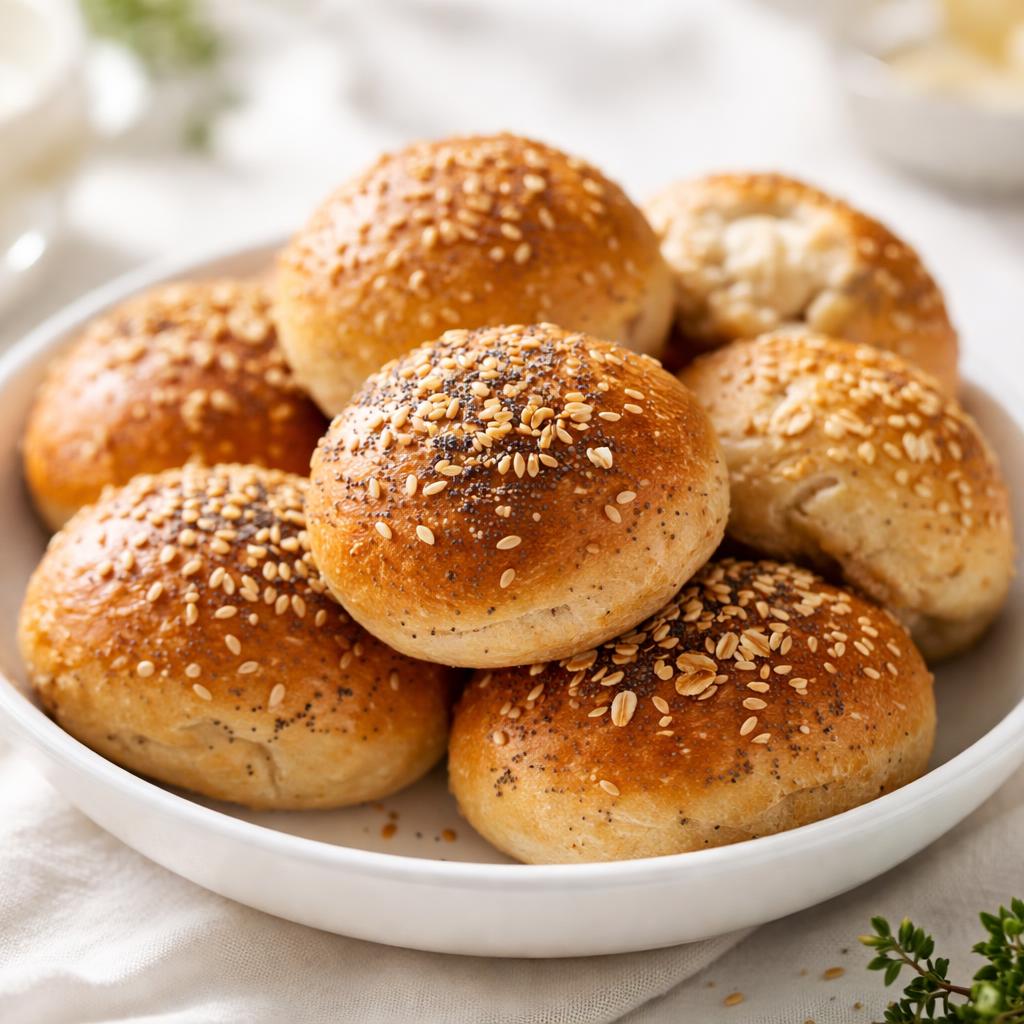
Bread Rolls

Ciabatta Bread
🎯 Quick Verdict
Bread rolls and ciabatta bread have similar protein content, but bread rolls are higher in fiber. Ciabatta bread is lower in calories and has less fat, making it a lighter option. Bread rolls are better for those seeking higher fiber, while ciabatta suits lighter meals or lower-calorie diets.

Smart Nutrition Tracking with SnapCalorie

📊 Nutritional Comparison
Macronutrients
| Nutrient | Food 1 | Food 2 | Winner |
|---|---|---|---|
| Calories | 290 | 270 | ✓ |
| Protein | 9g | 9g | − |
| Carbs | 52g | 50g | ✓ |
| Fat | 5g | 3g | ✓ |
| Fiber | 3.5g | 2.6g | ✓ |
Vitamins & Minerals
| Nutrient | Food 1 | Food 2 | Winner |
|---|---|---|---|
| Vitamin D | 0mcg | 0mcg | − |
| Calcium | 20mg | 15mg | ✓ |
| Iron | 2.1mg | 2mg | ✓ |
🏆 Category Winners
Protein
Both foods offer 9g of protein per serving.
Fiber
Bread rolls provide 35% more fiber per serving.
Calories
Ciabatta bread has 20 fewer calories per 100g serving.
Vitamins
Bread rolls are slightly higher in calcium and iron.
🥗 Diet Compatibility
Keto
Food 1: Not Compatible
Food 2: Not Compatible
Both are high-carb foods.
Vegan
Food 1: Compatible
Food 2: Compatible
Both are made without animal products.
Gluten Free
Food 1: Not Compatible
Food 2: Not Compatible
Both contain gluten.
Paleo
Food 1: Not Compatible
Food 2: Not Compatible
Neither adhere to paleo guidelines due to grains.
Low-Carb
Food 1: Not Compatible
Food 2: Not Compatible
Each has over 50g of carbohydrates per serving.
💪 Health Benefits Comparison
Food 1 Benefits
- High in fiber for better digestion
- Contains iron to support healthy blood cells
- Moderate protein content for muscle maintenance
- Provides sustained energy with complex carbohydrates
Food 2 Benefits
- Lower calorie option for lighter meals
- Contains less fat for reduced calorie density
- Offers adequate protein for muscle maintenance
- Provides simple carbohydrates for quick energy
✅ The Bottom Line
Opt for bread rolls if you need a higher fiber option for digestive health or a more filling bread choice. Choose ciabatta bread for lighter meals and slightly lower calorie intake. Both are suitable for general diets but not for low-carb or gluten-free needs.
Choose Food 1 for: Digestive health, more filling meals, traditional sandwich bases
Choose Food 2 for: Lighter meals, artisan bread options, side accompaniments


