Bread Roll VS White Bread
A detailed nutritional comparison
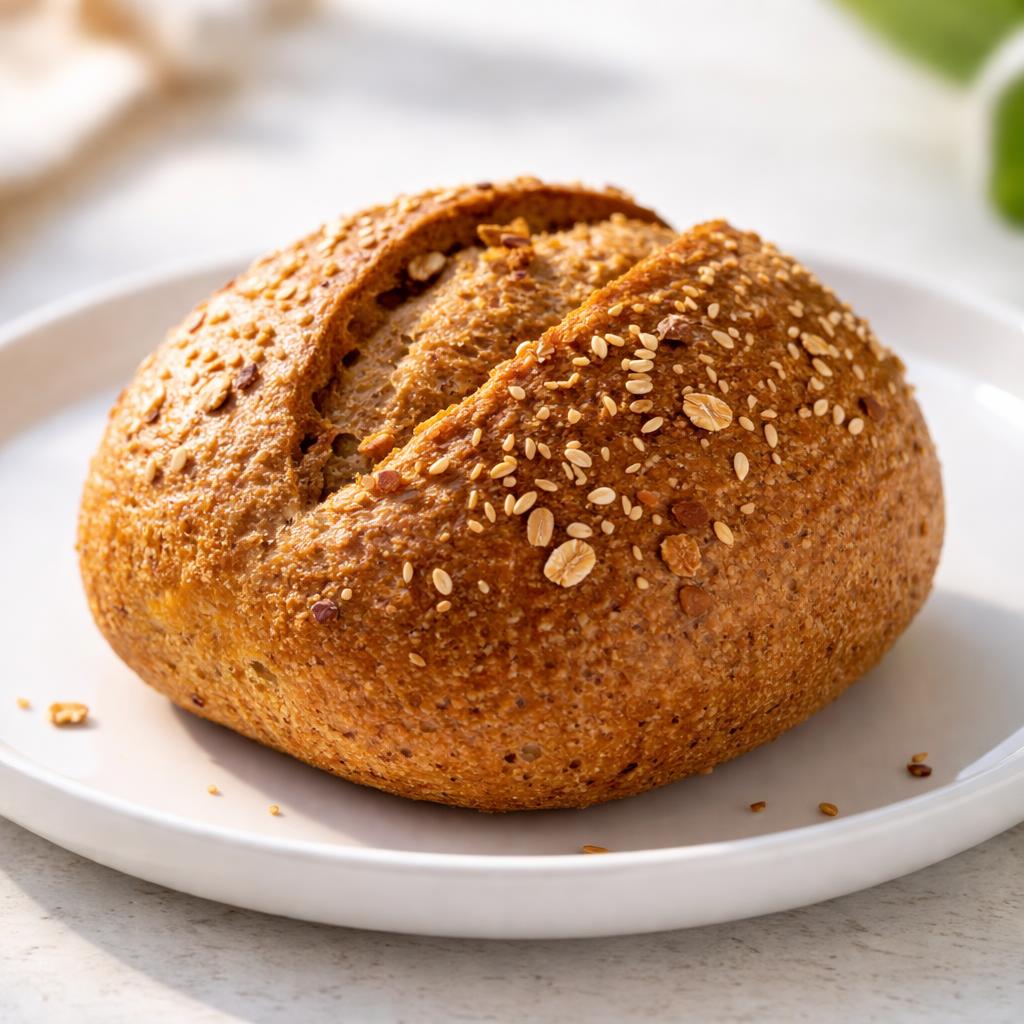
Bread Roll
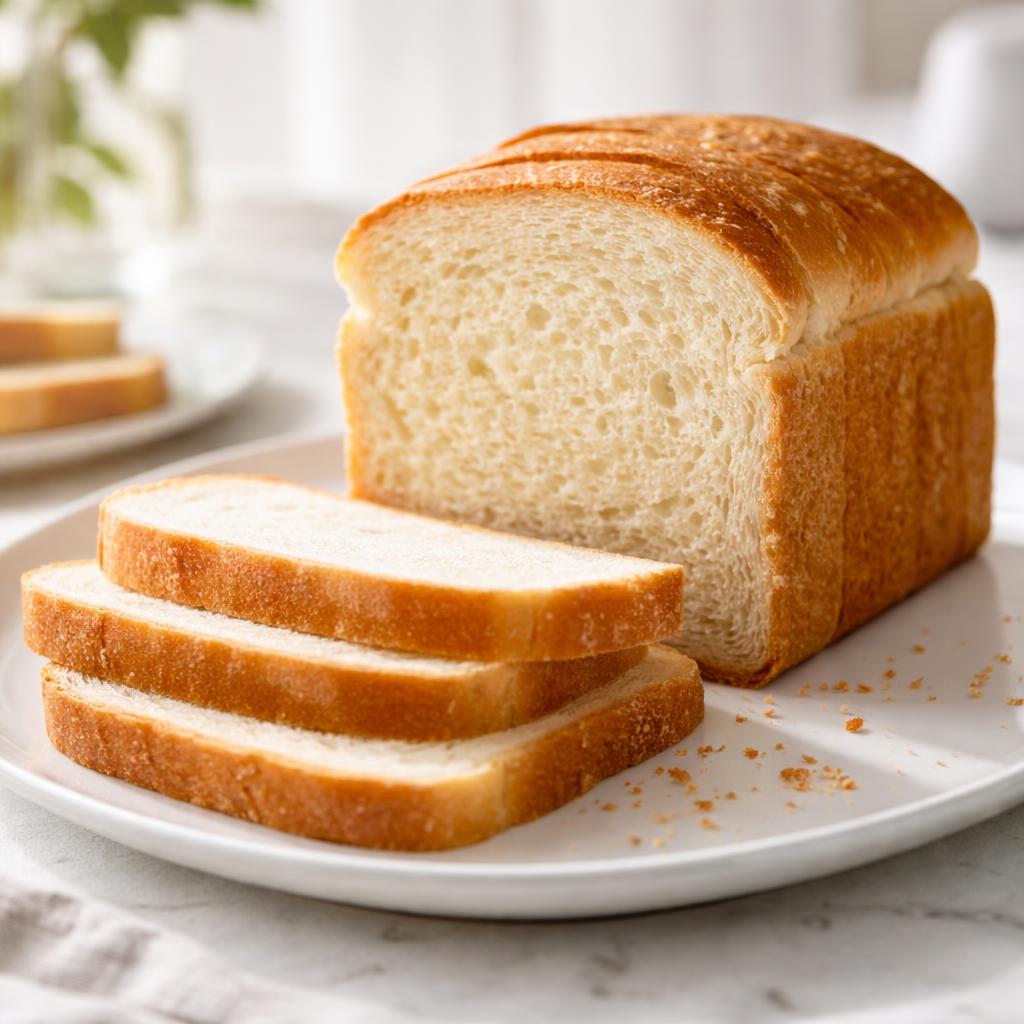
White Bread
🎯 Quick Verdict
Bread rolls and white bread are fairly similar in basic nutrition, but bread rolls slightly edge out in protein content, while white bread provides more fiber. Bread rolls are often denser, making them potentially more filling, whereas white bread is softer and more versatile for sandwiches and general use cases.

Smart Nutrition Tracking with SnapCalorie

📊 Nutritional Comparison
Macronutrients
| Nutrient | Food 1 | Food 2 | Winner |
|---|---|---|---|
| Calories | 150 | 150 | − |
| Protein | 6g | 4g | − |
| Carbs | 28g | 29g | − |
| Fat | 2g | 2g | − |
| Fiber | 1g | 2g | − |
Vitamins & Minerals
| Nutrient | Food 1 | Food 2 | Winner |
|---|---|---|---|
| Vitamin B1 (Thiamin) | 0.15mg | 0.20mg | − |
| Iron | 1mg | 1.5mg | − |
| Calcium | 25mg | 30mg | − |
🏆 Category Winners
Protein
Bread roll has 50% more protein per serving than white bread.
Fiber
White bread contains twice as much fiber compared to bread rolls.
Calories
Both foods have the same calorie count per serving (150 calories).
🥗 Diet Compatibility
Keto
Food 1: Not Compatible
Food 2: Not Compatible
Both are high-carb foods and unsuitable for keto diets.
Vegan
Food 1: Compatible
Food 2: Compatible
Both are plant-based as commonly prepared.
Gluten Free
Food 1: Not Compatible
Food 2: Not Compatible
Both foods contain gluten, as they are wheat-based.
Paleo
Food 1: Not Compatible
Food 2: Not Compatible
Grain-based foods are not allowed on paleo diets.
Low Carb
Food 1: Not Compatible
Food 2: Not Compatible
Both are high in carbs, exceeding low-carb guidelines.
💪 Health Benefits Comparison
Food 1 Benefits
Food 2 Benefits
✅ The Bottom Line
Bread rolls are better for those seeking higher protein content and satiety, while white bread offers slightly more fiber and fortified nutrients. Choose bread rolls for their density and filling nature, and opt for white bread for general versatility and smooth texture.
Choose Food 1 for: Higher protein needs, quick energy for post-workout, feeling fuller with smaller portions
Choose Food 2 for: Enhancing sandwiches, fiber-rich diets, and getting extra nutrients like iron and calcium


