Bread Roll VS Wheat Bread
A detailed nutritional comparison

Bread Roll
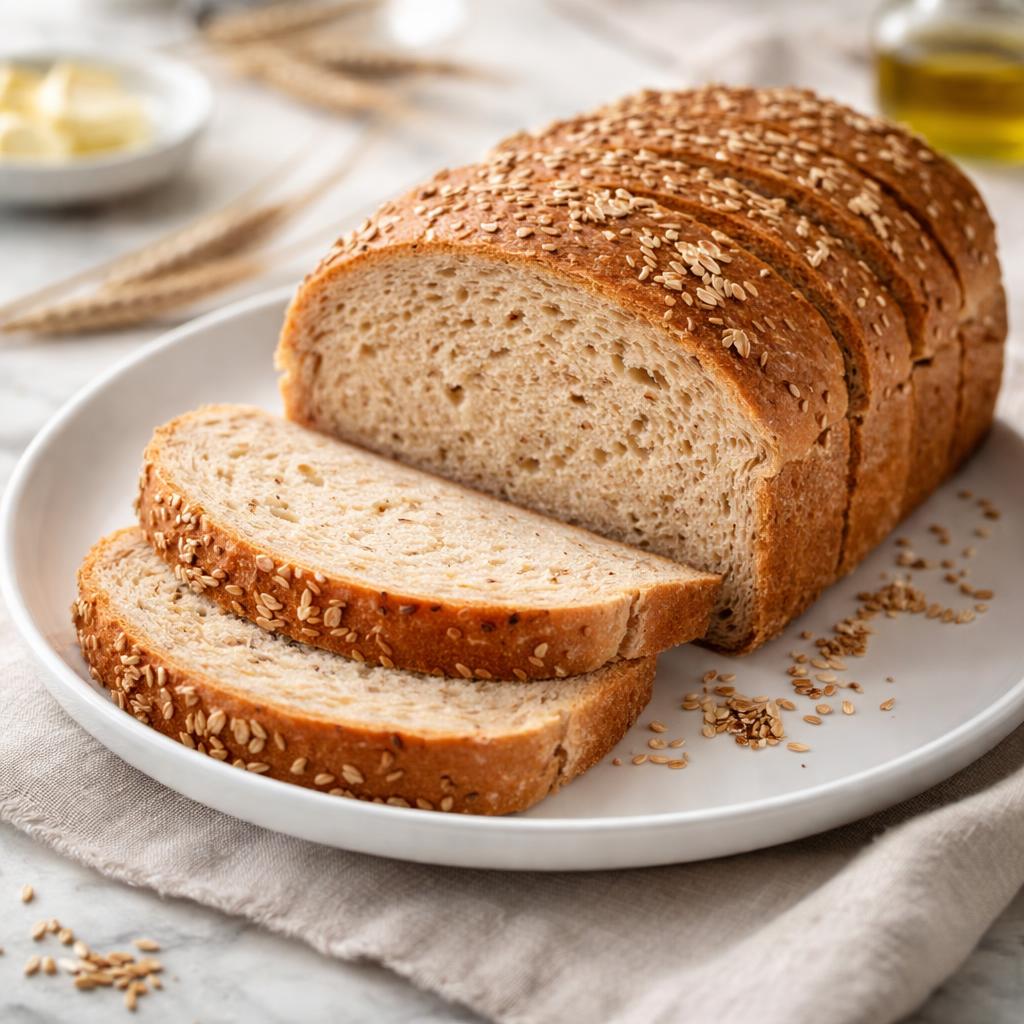
Wheat Bread
🎯 Quick Verdict
Wheat bread is nutritionally superior to a bread roll, offering higher protein and fiber content for better satiety and digestion. Bread rolls are lower in calories but typically lack the nutrient density of wheat bread, making them better for lighter meals or snacks.

Smart Nutrition Tracking with SnapCalorie

📊 Nutritional Comparison
Macronutrients
| Nutrient | Food 1 | Food 2 | Winner |
|---|---|---|---|
| Calories | − | ||
| Protein | − | ||
| Carbs | − | ||
| Fat | − | ||
| Fiber | − |
Vitamins & Minerals
| Nutrient | Food 1 | Food 2 | Winner |
|---|---|---|---|
| Vitamin D | − | ||
| Calcium | − | ||
| Iron | − |
🏆 Category Winners
Protein
Wheat bread has 50% more protein per serving.
Fiber
Wheat bread contains 3x more fiber than a bread roll.
Calories
Bread rolls are slightly lower in calories, making them lighter.
Vitamins
Wheat bread provides more calcium and iron for bone health and energy support.
🥗 Diet Compatibility
Keto
Food 1: Unknown
Food 2: Unknown
Both are high-carb foods unsuitable for keto diets.
Vegan
Food 1: Unknown
Food 2: Unknown
Neither contains animal-based ingredients.
Gluten Free
Food 1: Unknown
Food 2: Unknown
Both foods contain gluten.
Paleo
Food 1: Unknown
Food 2: Unknown
Neither fits paleo guidelines.
Low-Carb
Food 1: Unknown
Food 2: Unknown
Both exceed the typical low-carb threshold per serving.
💪 Health Benefits Comparison
Food 1 Benefits
Food 2 Benefits
✅ The Bottom Line
Choose wheat bread for higher protein, fiber, and nutrient density, ideal for balanced meals and digestion. Bread rolls are better for low-calorie meals or when you need a quick energy source. Both are versatile but cater to different dietary priorities.


