Bread Roll VS Tiger Bread
A detailed nutritional comparison
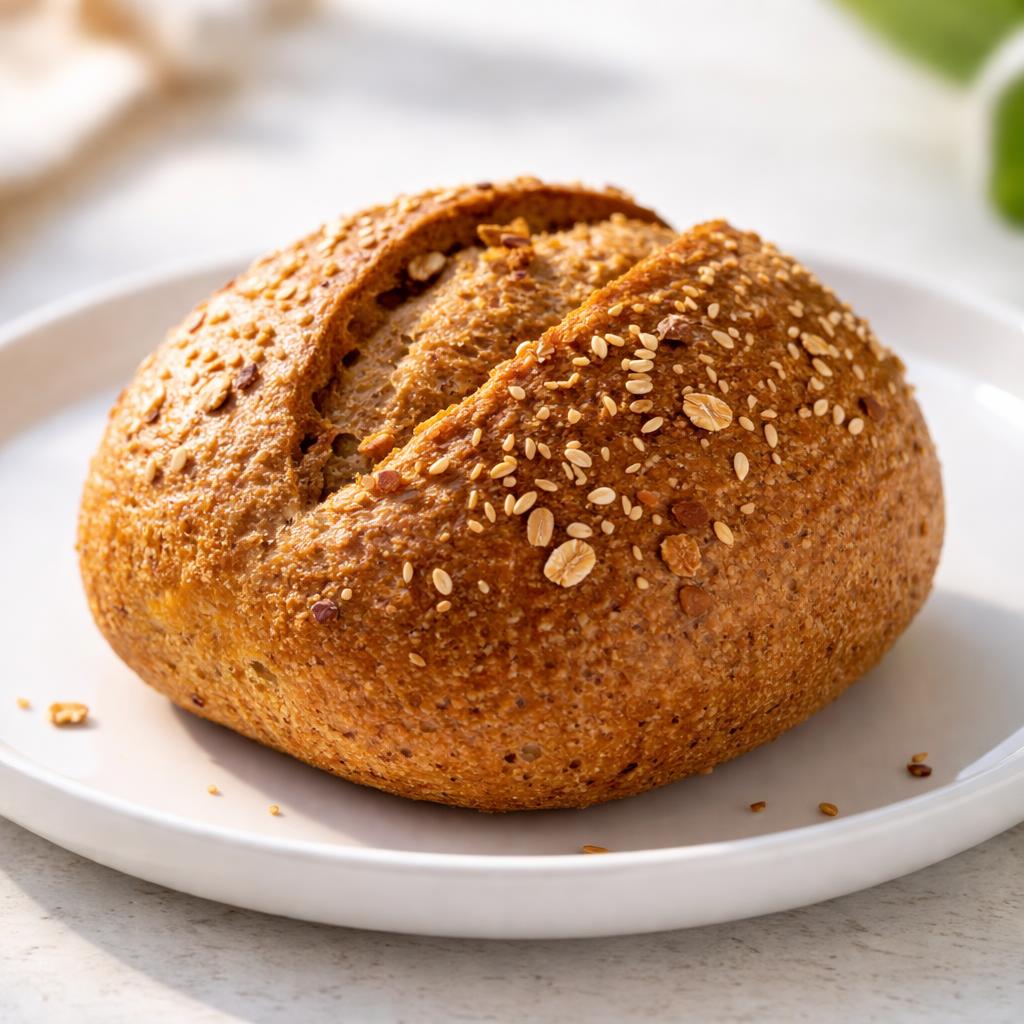
Bread Roll

Tiger Bread
🎯 Quick Verdict
Bread rolls are slightly lower in calories and offer a neutral flavor, making them versatile for sandwiches. Tiger bread, however, provides more protein and fiber, making it a better choice for nutrient density. Both are good options depending on needs but differ in carbohydrates and texture preferences.

Smart Nutrition Tracking with SnapCalorie

📊 Nutritional Comparison
Macronutrients
| Nutrient | Food 1 | Food 2 | Winner |
|---|---|---|---|
| Calories | 140 | 160 | ✓ |
| Protein | 6g | 7g | ✓ |
| Carbs | 25g | 30g | ✓ |
| Fat | 2g | 3g | ✓ |
| Fiber | 1.5g | 2g | ✓ |
Vitamins & Minerals
| Nutrient | Food 1 | Food 2 | Winner |
|---|---|---|---|
| Vitamin B6 | 0.1mg | 0.2mg | ✓ |
| Iron | 1mg | 1.2mg | ✓ |
| Calcium | 50mg | 60mg | ✓ |
| Folate | 40mcg | 45mcg | ✓ |
🏆 Category Winners
Protein
Tiger bread contains 16% more protein per serving.
Fiber
Tiger bread has 33% higher fiber content.
Calories
Bread rolls have 12.5% fewer calories per serving.
Vitamins
Tiger bread provides slightly more iron, calcium, and folate.
🥗 Diet Compatibility
Keto
Food 1: Not Compatible
Food 2: Not Compatible
Both are high-carb foods.
Vegan
Food 1: Compatible
Food 2: Compatible
Neither contains animal-derived ingredients.
Gluten Free
Food 1: Not Compatible
Food 2: Not Compatible
Both are made with wheat flour.
Paleo
Food 1: Not Compatible
Food 2: Not Compatible
Both are processed grain products.
Low Carb
Food 1: Not Compatible
Food 2: Not Compatible
Carbohydrate content exceeds low-carb thresholds.
💪 Health Benefits Comparison
Food 1 Benefits
- Lower calorie option for weight management
- Versatile for various meal applications
- Contains essential B vitamins
Food 2 Benefits
- Higher in fiber for better digestion
- Slightly more protein for muscle support
- Enhanced taste profile and nutrient density
✅ The Bottom Line
Choose bread rolls for fewer calories and a simpler base for sandwiches or sides. Opt for tiger bread to boost fiber and protein intake while enjoying its rich flavor and texture. Both are suitable for vegan diets but fall short for low-carb or gluten-free protocols.
Choose Food 1 for: Basic sandwiches, lighter meals, calorie-conscious choices
Choose Food 2 for: Heartier sandwiches, nutrient-dense snacks, fiber boost


