Bread Roll VS Overnight Oats
A detailed nutritional comparison
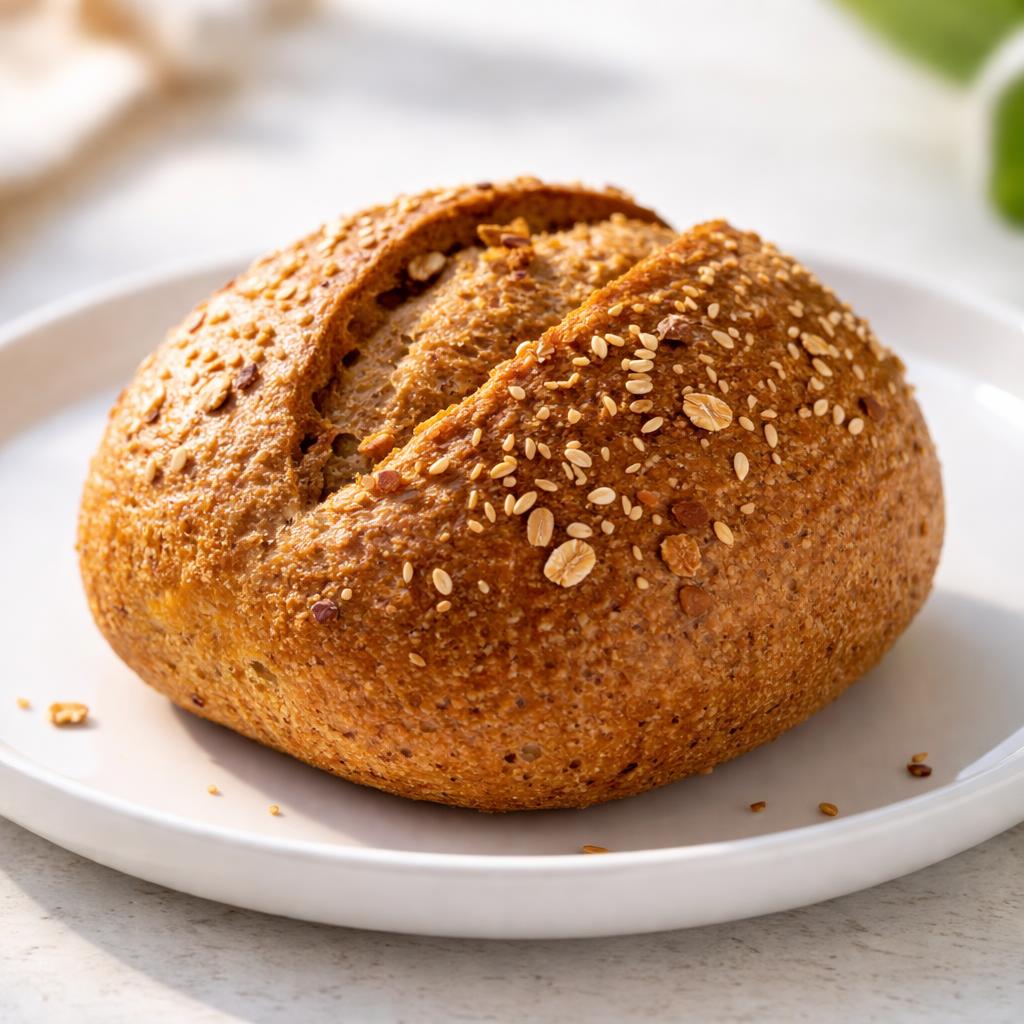
Bread Roll
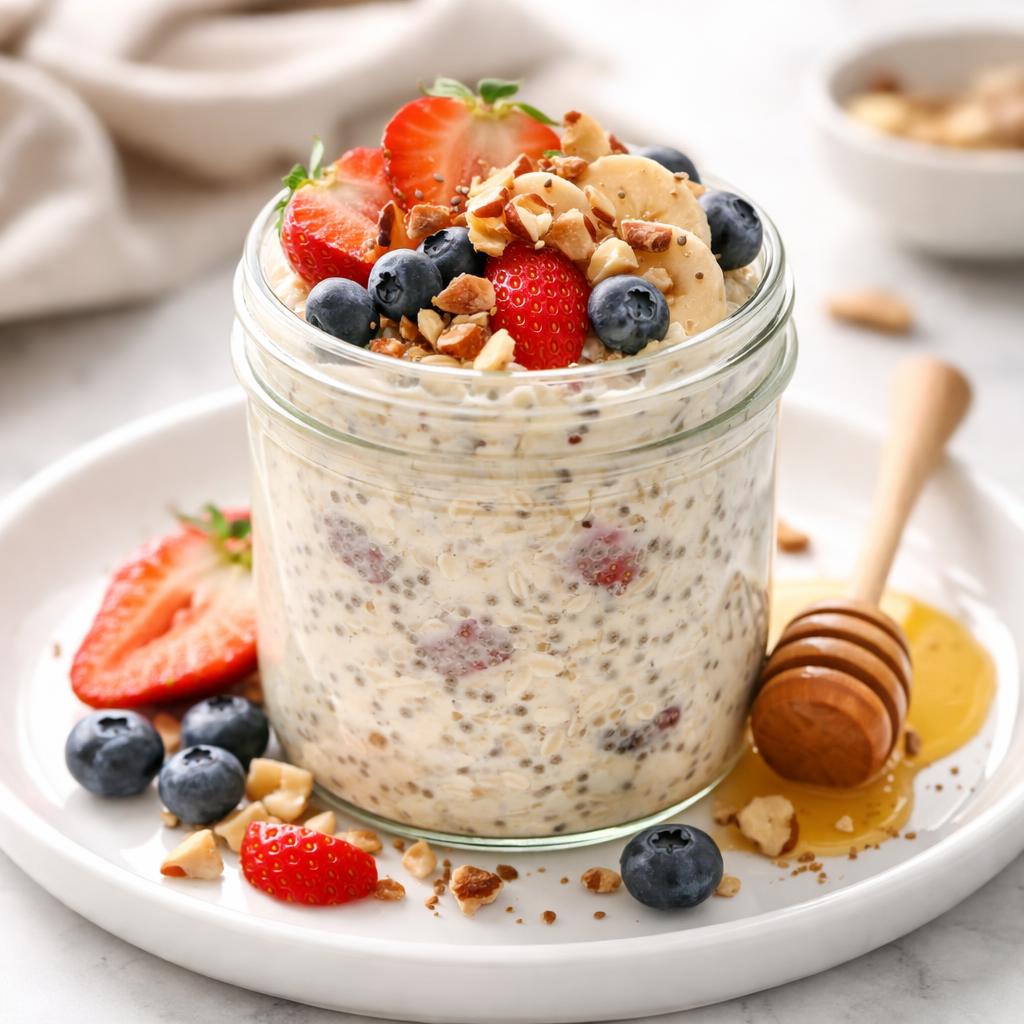
Overnight Oats
🎯 Quick Verdict
Overnight oats excel in protein and fiber content, making them ideal for sustained energy and improved digestion. Bread rolls are lower in calories and simpler for quick snacks but lack the nutrient density of oats. Each food fits different dietary priorities and meal contexts.

Smart Nutrition Tracking with SnapCalorie

📊 Nutritional Comparison
Macronutrients
| Nutrient | Food 1 | Food 2 | Winner |
|---|---|---|---|
| Calories | 150 | 250 | ✓ |
| Protein | 5g | 10g | ✓ |
| Carbs | 28g | 40g | ✓ |
| Fat | 2g | 8g | ✓ |
| Fiber | 1.5g | 6g | ✓ |
Vitamins & Minerals
| Nutrient | Food 1 | Food 2 | Winner |
|---|---|---|---|
| Vitamin D | 0mcg | 2mcg | ✓ |
| Calcium | 30mg | 150mg | ✓ |
| Iron | 1mg | 2mg | ✓ |
🏆 Category Winners
Protein
Overnight oats have double the protein content compared to bread rolls.
Fiber
Overnight oats contain 300% more fiber, improving digestion.
Calories
Bread rolls are lower in calories by 40%.
Vitamins
Overnight oats provide more calcium, iron, and vitamin D for overall nutrient density.
🥗 Diet Compatibility
Keto
Food 1: Not Compatible
Food 2: Not Compatible
Both are high in carbohydrates and not suitable for keto diets.
Vegan
Food 1: Compatible
Food 2: Compatible
Both foods inherently fit vegan diets.
Gluten Free
Food 1: Not Compatible
Food 2: Compatible
Bread rolls typically contain gluten, while oats can be gluten-free when processed properly.
Paleo
Food 1: Not Compatible
Food 2: Not Compatible
Both foods are processed and not accepted in a paleo framework.
Low-Carb
Food 1: Not Compatible
Food 2: Not Compatible
Both foods are relatively high in carbohydrates and do not fit low-carb diets.
💪 Health Benefits Comparison
Food 1 Benefits
- Lower calorie option for weight management
- Convenient for quick snacks or meals
- Provides basic carbohydrates for quick energy
Food 2 Benefits
- High in protein to support muscle recovery
- Rich in fiber for improved digestion
- Good source of calcium, iron, and vitamin D for bone health and immunity
✅ The Bottom Line
Bread rolls are lower in calories and convenient for quick snacking or light meals, making them a better fit for simple and calorie-restricted diets. Overnight oats, on the other hand, provide much more protein, fiber, and essential nutrients, making them the ideal choice for sustained energy, digestive health, and nutrient density.
Choose Food 1 for: Quick snacks, lower-calorie meals, light sandwiches
Choose Food 2 for: Sustained energy, post-workout recovery, nutrient-dense breakfast or snack


