Bread Roll VS Mexican Rice
A detailed nutritional comparison
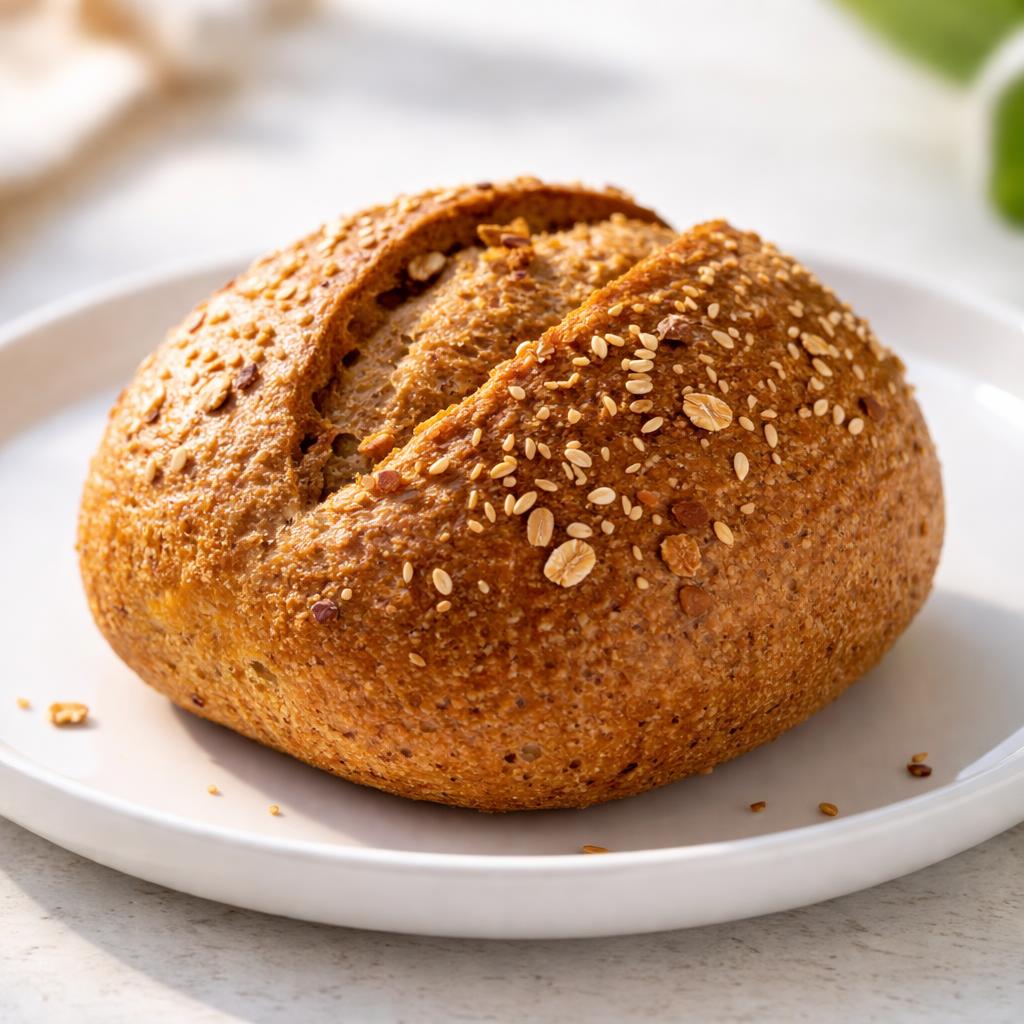
Bread Roll
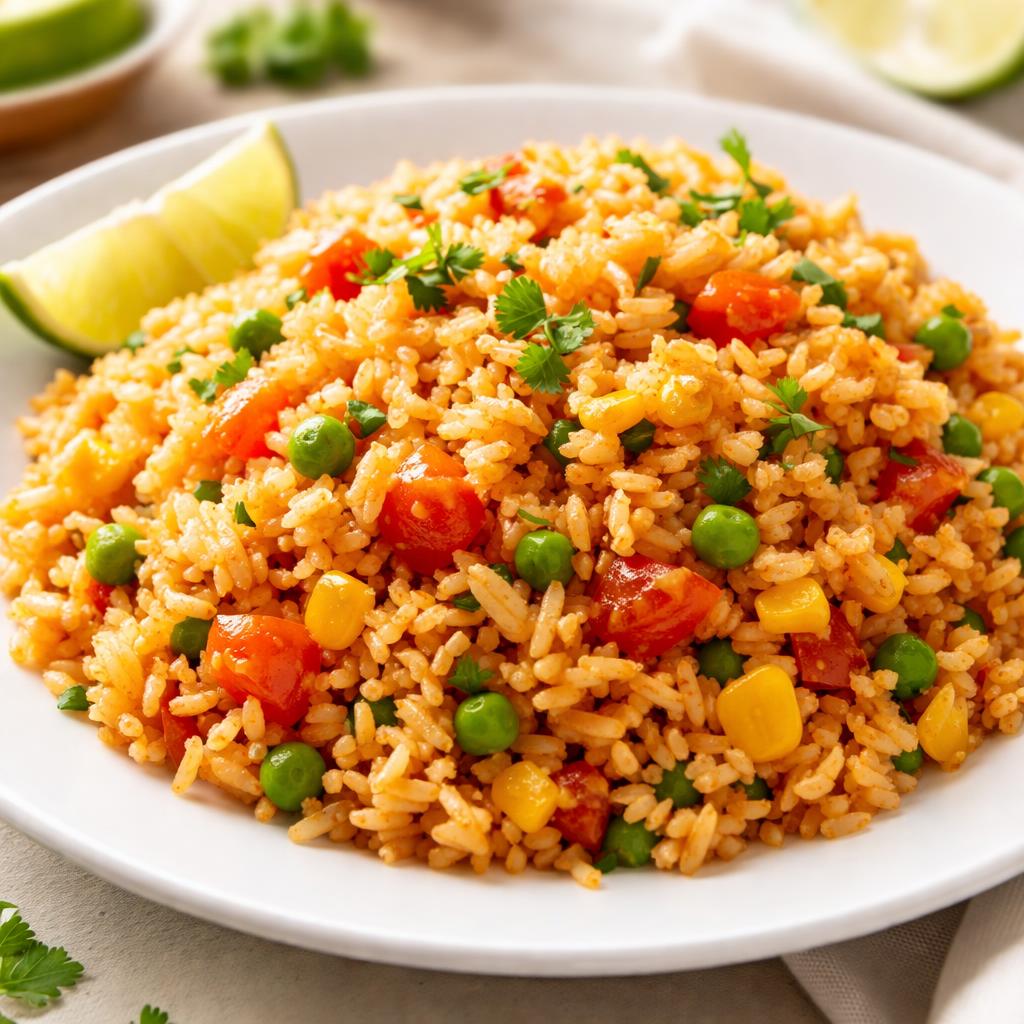
Mexican Rice
🎯 Quick Verdict
Bread rolls and Mexican rice differ significantly in their nutritional profiles, with bread rolls offering lower calories and slightly more protein, while Mexican rice delivers more fiber and healthier fats. Bread rolls excel as a lower-calorie and portable carbohydrate option, while Mexican rice serves as a nutrient-dense side dish rich in flavor and fiber.

Smart Nutrition Tracking with SnapCalorie

📊 Nutritional Comparison
Macronutrients
| Nutrient | Food 1 | Food 2 | Winner |
|---|---|---|---|
| Calories | 180 | 210 | ✓ |
| Protein | 6g | 4g | ✓ |
| Carbs | 33g | 38g | ✓ |
| Fat | 2g | 5g | ✓ |
| Fiber | 2g | 3g | ✓ |
Vitamins & Minerals
| Nutrient | Food 1 | Food 2 | Winner |
|---|---|---|---|
| Vitamin A | 0mcg | 150mcg | ✓ |
| Vitamin C | 0mg | 3mg | ✓ |
| Calcium | 70mg | 35mg | ✓ |
| Iron | 2mg | 1mg | ✓ |
🏆 Category Winners
Protein
Bread roll provides 50% more protein per serving than Mexican rice.
Fiber
Mexican rice delivers 50% more fiber, improving digestion.
Calories
Bread rolls are lower in calories by 30 calories per serving.
Vitamins
Mexican rice contains more Vitamin A and Vitamin C, benefitting eye and immune health.
🥗 Diet Compatibility
Keto
Food 1: Not Compatible
Food 2: Not Compatible
Both are high-carb foods.
Vegan
Food 1: Compatible
Food 2: Compatible
Both foods are plant-based and free from animal products.
Gluten Free
Food 1: Not Compatible
Food 2: Compatible
Bread roll contains gluten, while Mexican rice does not.
Paleo
Food 1: Not Compatible
Food 2: Not Compatible
Both foods contain grains, which are excluded in paleo diets.
Low-Carb
Food 1: Not Compatible
Food 2: Not Compatible
Both foods are high in carbohydrates.
💪 Health Benefits Comparison
Food 1 Benefits
- Good source of energy from carbohydrates
- Provides protein for muscle support
- Contains iron for oxygen transport in the body
Food 2 Benefits
- Rich in fiber to aid digestion
- Contains healthy fats for heart health
- Provides Vitamin A for eye health
✅ The Bottom Line
Choose bread rolls when seeking a portable, lower-calorie option with slightly more protein. Opt for Mexican rice when you need a nutrient-dense side dish that offers more fiber and vitamins. Both foods serve different purposes in balanced meals.
Choose Food 1 for: Snacks, weight control, light meals
Choose Food 2 for: Wholesome side dishes, high-fiber diets, nutrient-focused meals


