Bread Roll VS Ciabatta Bread
A detailed nutritional comparison
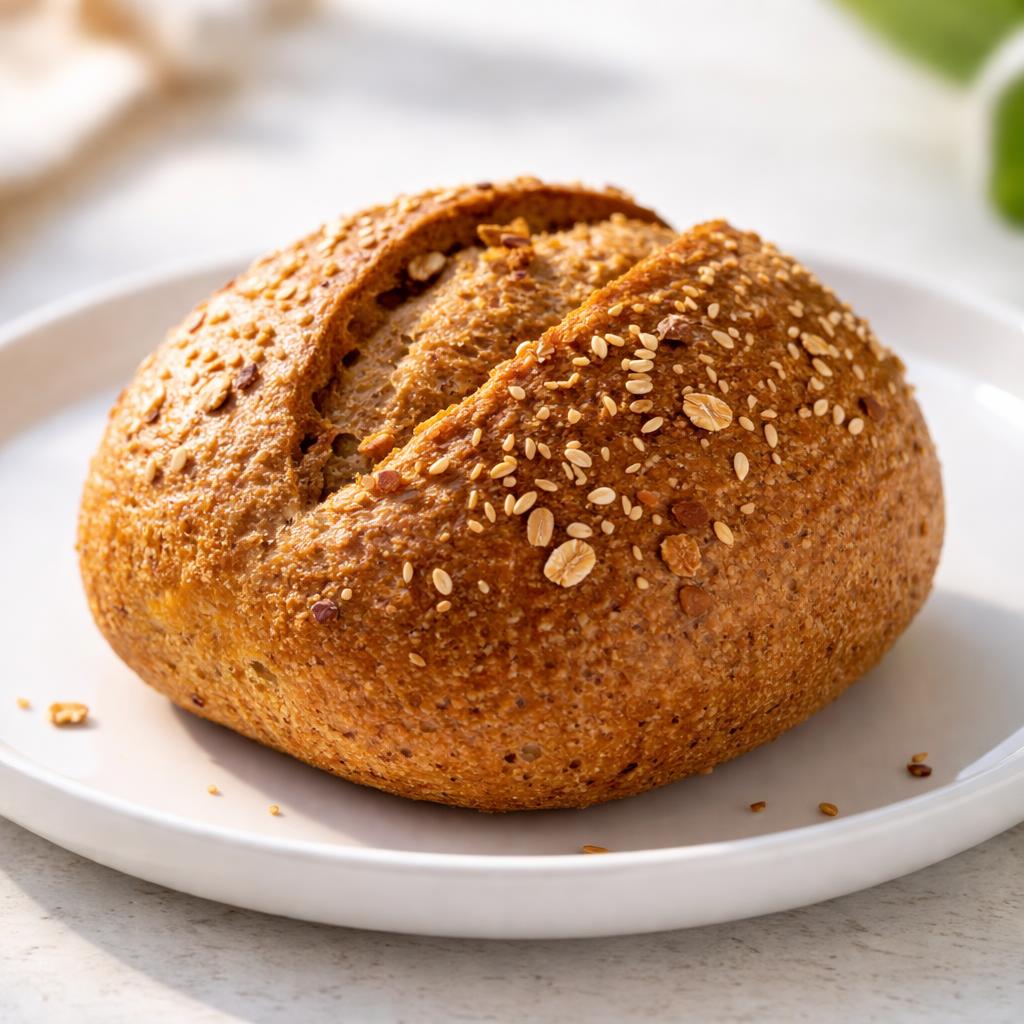
Bread Roll

Ciabatta Bread
🎯 Quick Verdict
Bread rolls and ciabatta bread differ in calories and macros. Bread rolls generally have fewer calories and slightly higher fiber, making them a better choice for weight-conscious individuals. Ciabatta tends to have more protein per serving, which may appeal to those aiming to increase protein intake. Both can be used for different culinary purposes depending on dietary goals and preferences.

Smart Nutrition Tracking with SnapCalorie

📊 Nutritional Comparison
Macronutrients
| Nutrient | Food 1 | Food 2 | Winner |
|---|---|---|---|
| Calories | 110 per roll (43g) | 240 per slice (85g) | − |
| Protein | 4g | 7g | − |
| Carbs | 20g | 47g | − |
| Fat | 1g | 5g | − |
| Fiber | 1.5g | 1g | − |
Vitamins & Minerals
| Nutrient | Food 1 | Food 2 | Winner |
|---|---|---|---|
| Vitamin B1 (Thiamine) | 0.15mg | 0.1mg | − |
| Folate | 55mcg | 40mcg | − |
| Iron | 1.2mg | 1mg | − |
🏆 Category Winners
Protein
Ciabatta has 75% more protein per serving compared to bread rolls.
Fiber
Bread rolls provide 50% more fiber per serving.
Calories
Bread rolls have less than half the calories of ciabatta per serving.
🥗 Diet Compatibility
Keto
Food 1: Not Compatible
Food 2: Not Compatible
Both are high-carb and not suitable for keto diets.
Vegan
Food 1: Compatible
Food 2: Compatible
Both bread varieties are typically free of animal products.
Gluten Free
Food 1: Not Compatible
Food 2: Not Compatible
Both contain wheat gluten.
Paleo
Food 1: Not Compatible
Food 2: Not Compatible
Neither bread roll nor ciabatta fits the grain-free paleo diet.
Low-Carb
Food 1: Not Compatible
Food 2: Not Compatible
Both foods are carbohydrate-rich, making them unsuitable for low-carb diets.
💪 Health Benefits Comparison
Food 1 Benefits
- Lower in calories, great for portion control
- Source of dietary fiber for improved digestion
- Contains iron and folate for energy production
Food 2 Benefits
- Higher protein content supports muscle repair
- Provides unsaturated fats for heart health
- Pairs well with nutrient-dense toppings like avocado or lean proteins
✅ The Bottom Line
Bread rolls are better for those managing calorie intake or seeking slightly higher dietary fiber. Ciabatta bread, with its higher protein and richer flavor profile, is ideal for individuals seeking more substantial meal options or protein boosts in sandwiches. Both are versatile but differ in macronutrient priorities.
Choose Food 1 for: Calorie-conscious diets, light snacks, base for smaller meals
Choose Food 2 for: Protein-rich meals, gourmet sandwiches, pairing with nutrient-dense toppings


