Bread Roll VS Baked Pasta
A detailed nutritional comparison
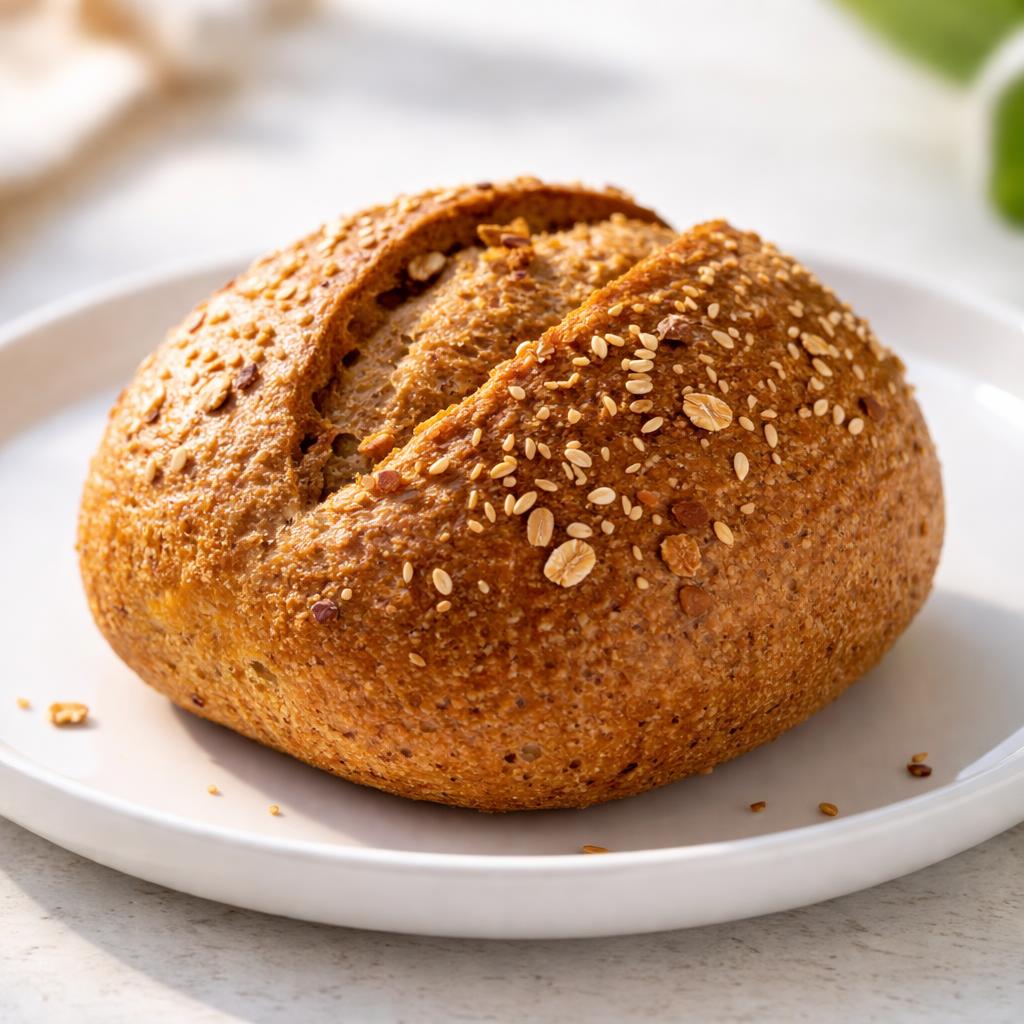
Bread Roll
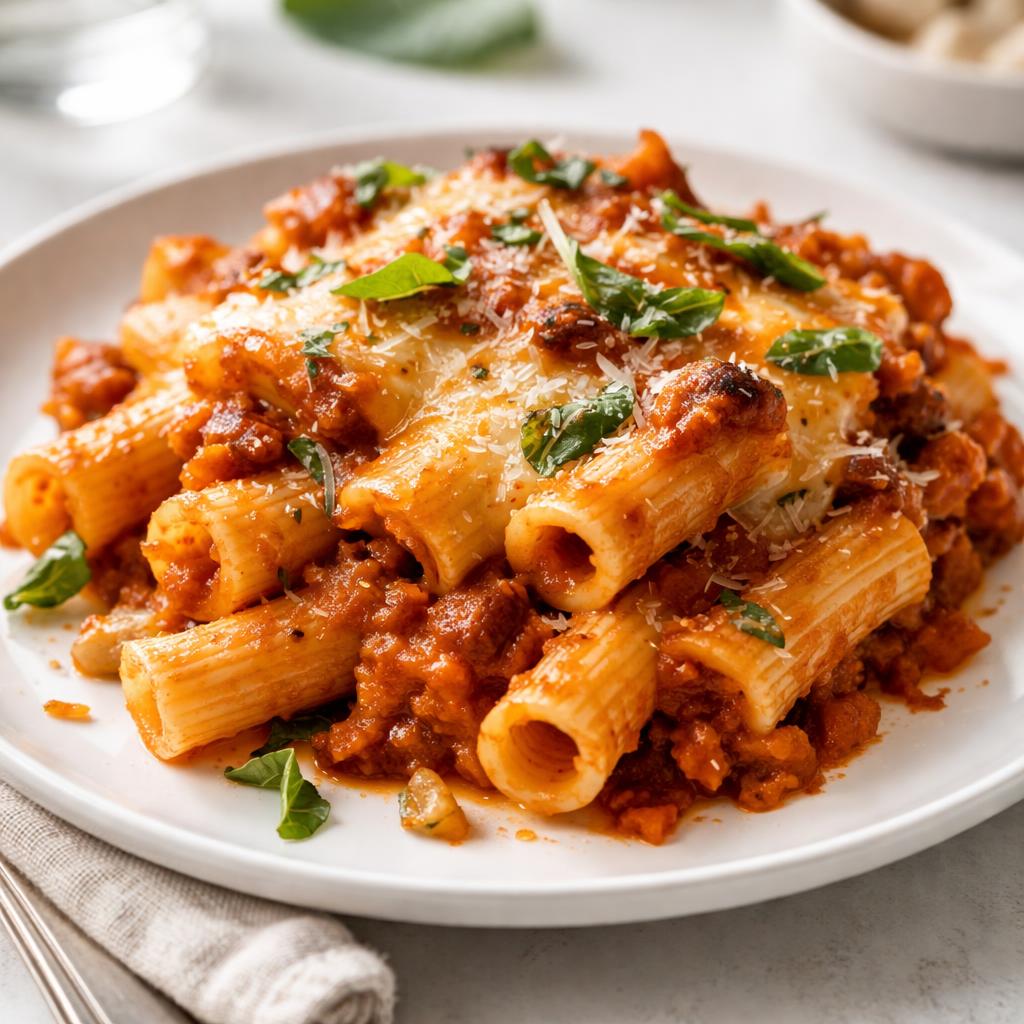
Baked Pasta
🎯 Quick Verdict
Bread rolls are lower in calories and fat, making them suitable for lighter meals or snacks. Baked pasta, on the other hand, is higher in protein, fiber, and essential nutrients, making it a more nutrient-dense and satisfying main dish. Choose based on your goal—quick energy vs long-lasting satisfaction and nutrient density.

Smart Nutrition Tracking with SnapCalorie

📊 Nutritional Comparison
Macronutrients
| Nutrient | Food 1 | Food 2 | Winner |
|---|---|---|---|
| Calories | 150 | 250 | ✓ |
| Protein | 6g | 12g | ✓ |
| Carbs | 30g | 35g | ✓ |
| Fat | 1g | 8g | ✓ |
| Fiber | 1g | 3g | ✓ |
Vitamins & Minerals
| Nutrient | Food 1 | Food 2 | Winner |
|---|---|---|---|
| Vitamin A | 0mcg | 100mcg | ✓ |
| Calcium | 20mg | 100mg | ✓ |
| Iron | 1mg | 2mg | ✓ |
🏆 Category Winners
Protein
Baked pasta contains twice the protein of a bread roll.
Fiber
Baked pasta has three times the fiber content of bread rolls.
Calories
Bread rolls have 40% fewer calories, making them lighter.
Vitamins
Baked pasta is richer in essential vitamins like A and Calcium.
🥗 Diet Compatibility
Keto
Food 1: Not Compatible
Food 2: Not Compatible
Both are high-carb foods.
Vegan
Food 1: Compatible
Food 2: Depends (if made with vegan pasta)
Bread is typically plant-based; check baked pasta ingredients.
Gluten Free
Food 1: Not Compatible
Food 2: Not Compatible
Both typically contain wheat-based ingredients.
Paleo
Food 1: Not Compatible
Food 2: Not Compatible
Neither aligns with paleo principles due to grains.
Low-Carb
Food 1: Not Compatible
Food 2: Not Compatible
Both are relatively high in carbohydrates.
💪 Health Benefits Comparison
Food 1 Benefits
- Low in fat for lighter meals
- Easy to digest and quick energy source
- Can be fortified with fiber or nutrients for improved value
Food 2 Benefits
- High in protein for muscle repair and satiety
- Contains fiber that supports digestion
- Rich in vitamins like calcium and iron for bone and circulatory health
✅ The Bottom Line
Bread rolls are a lighter option, best for quick snacks or low-calorie meals. Baked pasta provides a more satisfying, nutrient-dense meal with protein, fiber, and essential vitamins—ideal for active individuals or family dinners. Base your choice on your energy and nutritional needs.
Choose Food 1 for: Quick snacks, low-calorie meals, energy boost
Choose Food 2 for: Nutrient-dense meals, post-workout recovery, sustained energy


