Boiled Rice VS Tuna Pasta
A detailed nutritional comparison
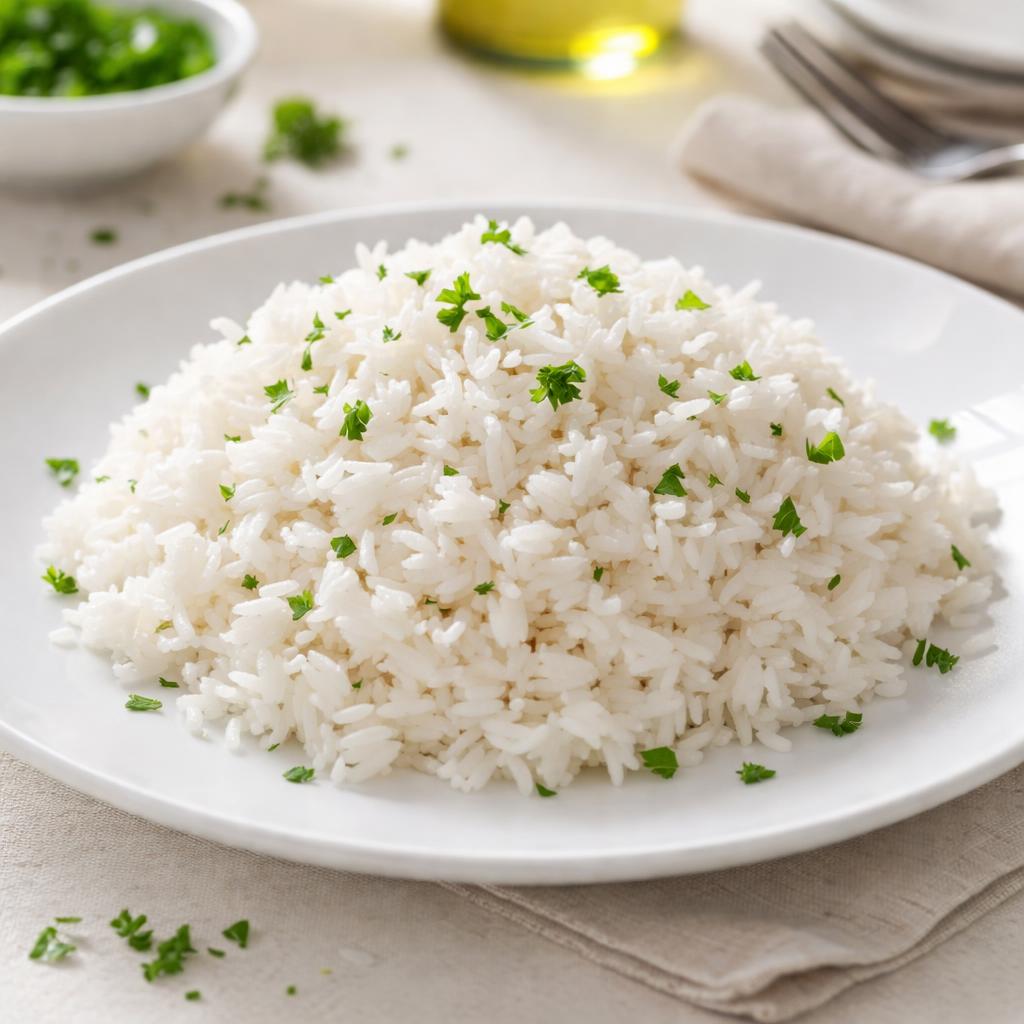
Boiled Rice
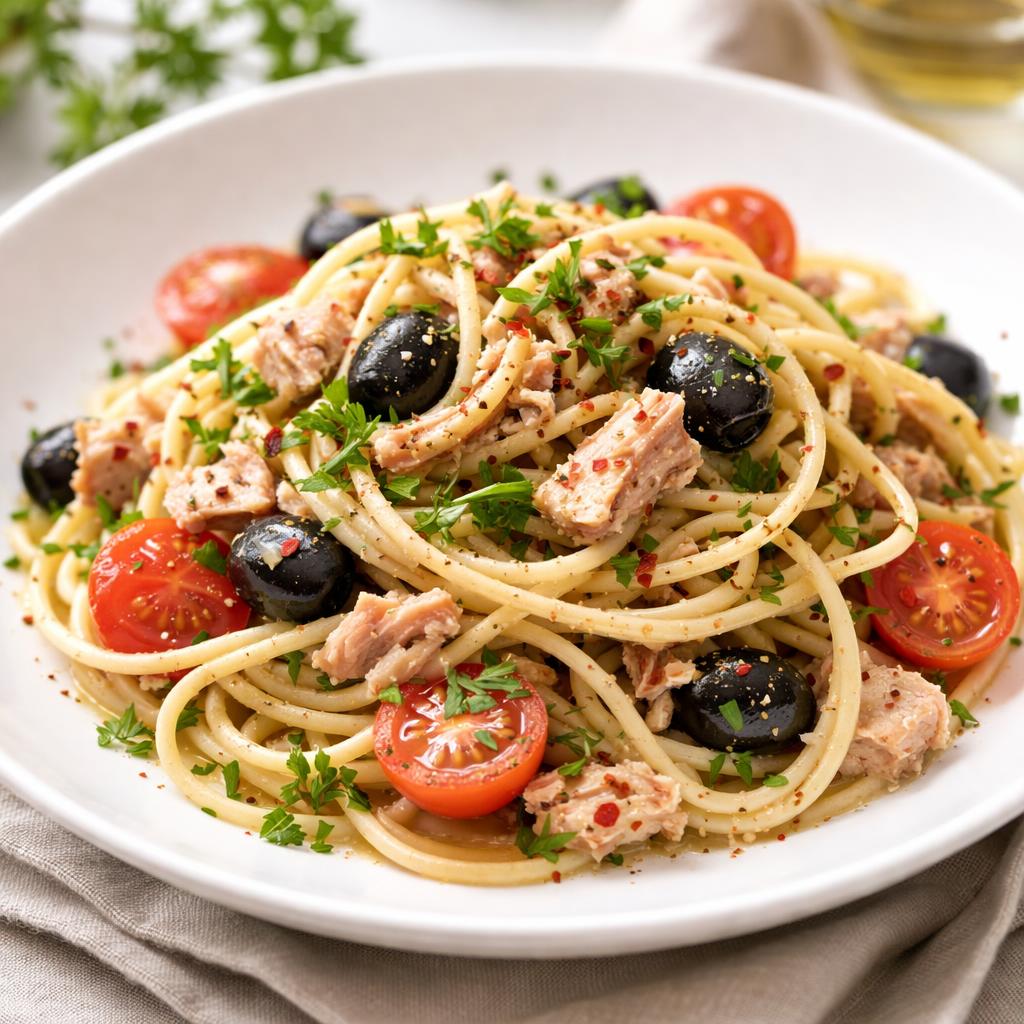
Tuna Pasta
🎯 Quick Verdict
Boiled rice is lower in calories and carbs, making it a suitable choice for weight loss and low-energy meals. Tuna pasta delivers significantly more protein, fiber, and micronutrients, making it ideal for athletes, active individuals, and those seeking nutrient-dense meals. Choose rice for simplicity and lighter meals, and tuna pasta for balanced, high-energy intake.

Smart Nutrition Tracking with SnapCalorie

📊 Nutritional Comparison
Macronutrients
| Nutrient | Food 1 | Food 2 | Winner |
|---|---|---|---|
| Calories | 130 per cup | 350 per cup | ✓ |
| Protein | 2.7g per cup | 18g per cup | ✓ |
| Carbs | 28g per cup | 40g per cup | ✓ |
| Fat | 0.3g per cup | 12g per cup | ✓ |
| Fiber | 0.6g per cup | 2.5g per cup | ✓ |
Vitamins & Minerals
| Nutrient | Food 1 | Food 2 | Winner |
|---|---|---|---|
| Vitamin D | 0mcg | 3mcg | ✓ |
| Calcium | 10mg | 25mg | ✓ |
| Iron | 0.2mg | 1.5mg | ✓ |
🏆 Category Winners
Protein
Tuna pasta contains 18g of protein per cup, which is over six times higher than boiled rice.
Fiber
Tuna pasta has 2.5g of fiber per serving, compared to 0.6g in boiled rice.
Calories
Boiled rice is lower in calories with only 130 per cup versus 350 for tuna pasta.
🥗 Diet Compatibility
Keto
Food 1: Not Compatible
Food 2: Not Compatible
Both foods are high in carbs and do not fit into a ketogenic diet.
Vegan
Food 1: Compatible
Food 2: Not Compatible
Boiled rice suits vegan diets, but tuna pasta contains animal products.
Gluten Free
Food 1: Compatible
Food 2: Not Compatible
Rice is gluten-free, whereas pasta may contain gluten unless specified as gluten-free.
Paleo
Food 1: Compatible
Food 2: Not Compatible
Boiled rice is acceptable on some paleo diets, while tuna pasta (due to processed pasta) is not.
Low-Carb
Food 1: Not Compatible
Food 2: Not Compatible
Both foods contain a significant amount of carbohydrates.
💪 Health Benefits Comparison
Food 1 Benefits
- Provides quick energy from carbohydrates
- Low-calorie option for weight management
- Easy to digest, suitable for sensitive stomachs
Food 2 Benefits
- High protein content supports muscle maintenance and repair
- Contains omega-3 fatty acids for heart and brain health
- Good source of vitamins and minerals like iron and vitamin D
✅ The Bottom Line
Boiled rice is a simple, low-calorie carbohydrate source ideal for lighter meals or weight loss diets. Tuna pasta offers a well-rounded nutrient profile with high protein, healthy fats, and more vitamins, making it a better option for active lifestyles or post-workout recovery. Choose rice when looking for simplicity and low calories, and tuna pasta for balanced nutrition and energy-dense meals.
Choose Food 1 for: Low-calorie meals, vegan diets, sensitive stomachs
Choose Food 2 for: Athletic recovery, high-protein meals, nutrient density


