Boiled Rice VS Rice Salad
A detailed nutritional comparison
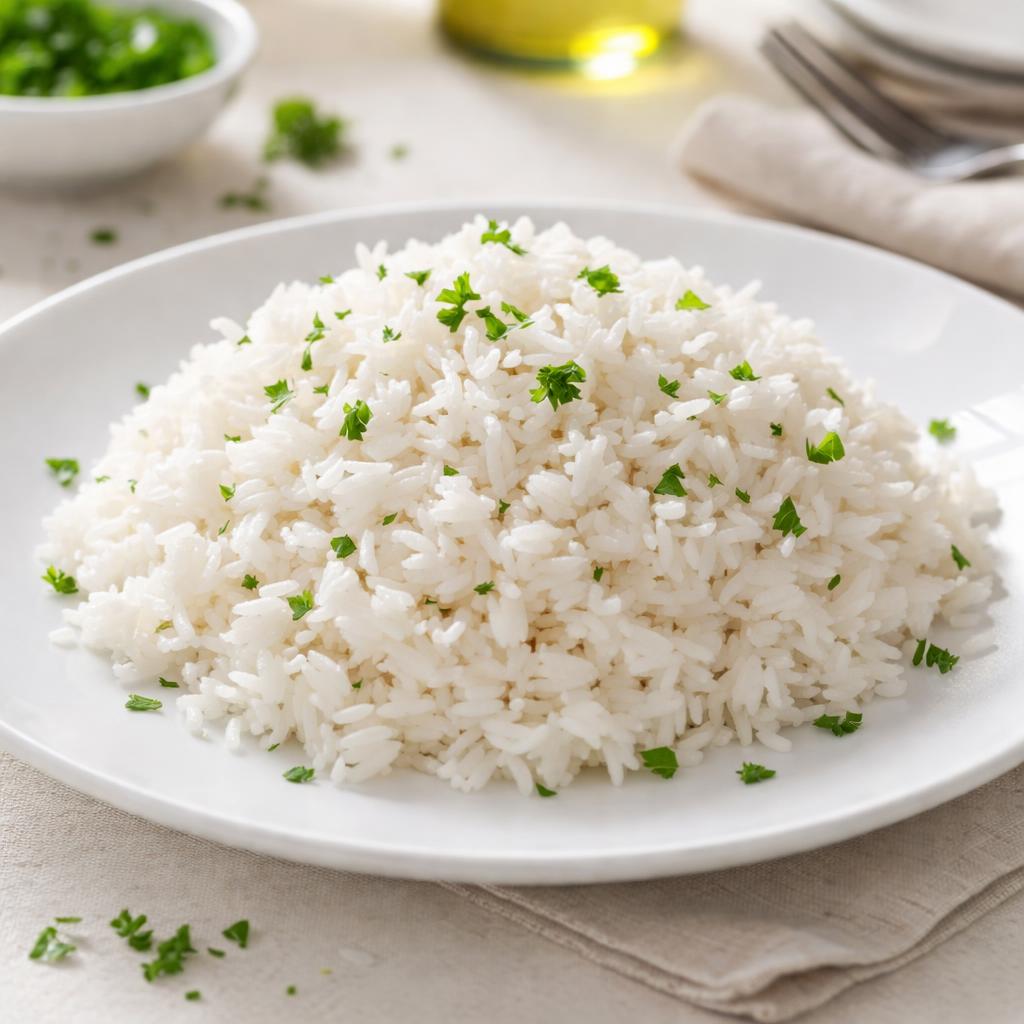
Boiled Rice
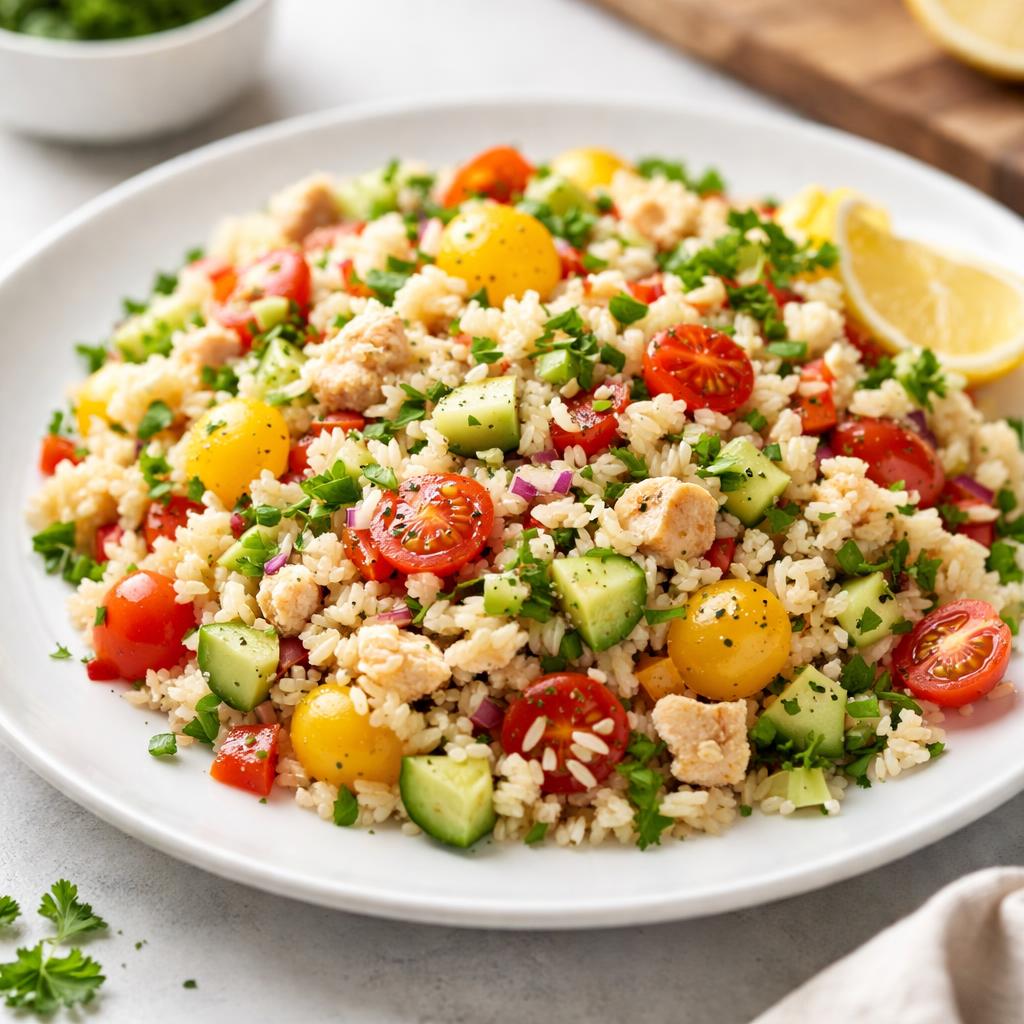
Rice Salad
🎯 Quick Verdict
Boiled rice is simpler, lower in calories, and suitable for calorie-conscious diets, but offers limited nutritional diversity. Rice salad, with added vegetables and possibly legumes or dressings, provides higher protein, fiber, and a variety of micronutrients, making it more nutrient-dense and better suited for balanced meals or energy support.

Smart Nutrition Tracking with SnapCalorie

📊 Nutritional Comparison
Macronutrients
| Nutrient | Food 1 | Food 2 | Winner |
|---|---|---|---|
| Calories | 130 | 190 | ✓ |
| Protein | 2g | 7g | ✓ |
| Carbs | 28g | 25g | ✓ |
| Fat | 0.3g | 8g | ✓ |
| Fiber | 0.5g | 4g | ✓ |
Vitamins & Minerals
| Nutrient | Food 1 | Food 2 | Winner |
|---|---|---|---|
| Vitamin C | 0mg | 6mg | ✓ |
| Vitamin K | 0mcg | 20mcg | ✓ |
| Potassium | 35mg | 120mg | ✓ |
🏆 Category Winners
Protein
Rice salad has additives like beans or chicken, boosting protein content significantly.
Fiber
Veggies in rice salad contribute to 8x the fiber compared to boiled rice.
Calories
Boiled rice has simpler ingredients, leading to fewer calories.
🥗 Diet Compatibility
Keto
Food 1: Not Compatible
Food 2: Not Compatible
Both are high-carb foods.
Vegan
Food 1: Compatible
Food 2: Depends on ingredients
Rice salad may include non-vegan add-ins like mayonnaise or meat.
Gluten Free
Food 1: Compatible
Food 2: Compatible
Neither contains gluten naturally.
Paleo
Food 1: Compatible
Food 2: Depends on ingredients
Rice salad may contain non-paleo processed foods.
Low Carb
Food 1: Not Compatible
Food 2: Not Compatible
Both have considerable carbohydrate content.
💪 Health Benefits Comparison
Food 1 Benefits
- Easily digestible carbs for quick energy
- Low calorie for weight management
- Gluten-free and allergen-friendly base
Food 2 Benefits
- High fiber content for improved digestion
- Elevated protein levels for muscle repair and satiety
- Rich in micronutrients like vitamin C and potassium for better overall health
✅ The Bottom Line
Boiled rice is ideal for low-calorie diets, simple carb sources, or as a neutral base for recipes. Rice salad, with its diverse mix-ins, is better for nutrient density, fiber, and protein, especially for balanced meals or active lifestyles.
Choose Food 1 for: Weight loss, digestion-friendly meals, simple carb sources
Choose Food 2 for: Balanced meals, nutrient-dense energy, heart health and digestion


