Black Rice VS Boiled Pasta
A detailed nutritional comparison
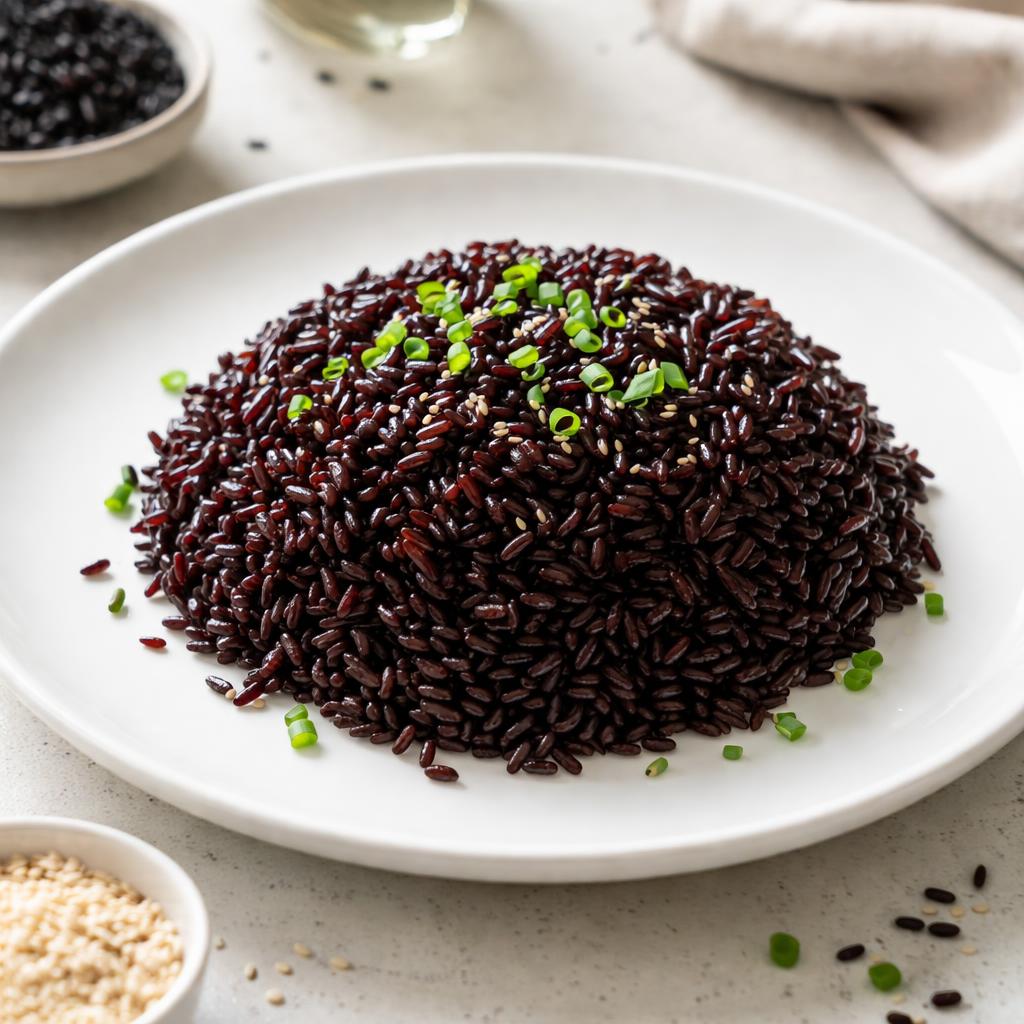
Black Rice
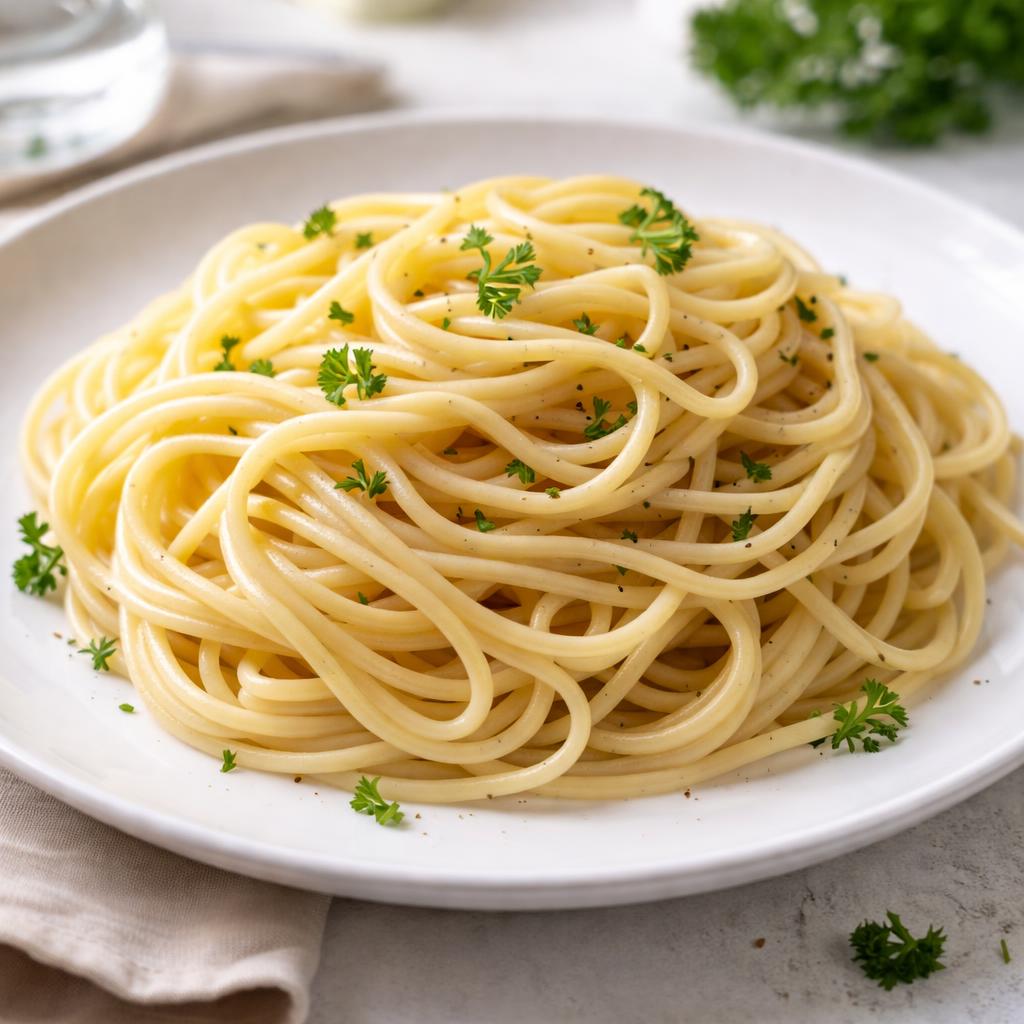
Boiled Pasta
🎯 Quick Verdict
Black rice is a nutrient-dense whole grain offering higher protein (4g per 100g) and fiber (2g per 100g) compared to boiled pasta, while also being lower in calories (145 vs. 200 per 100g). Meanwhile, pasta is a convenient source of carbs (37g per 100g), making it ideal for pre-workout energy or sustained fuel for endurance activities.

Smart Nutrition Tracking with SnapCalorie

📊 Nutritional Comparison
Macronutrients
| Nutrient | Food 1 | Food 2 | Winner |
|---|---|---|---|
| Calories | 145 | 200 | ✓ |
| Protein | 4g | 3.5g | ✓ |
| Carbs | 30g | 37g | ✓ |
| Fat | 0.5g | 1g | ✓ |
| Fiber | 2g | 1g | ✓ |
Vitamins & Minerals
| Nutrient | Food 1 | Food 2 | Winner |
|---|---|---|---|
| Vitamin B6 | 0.1mg | 0.04mg | ✓ |
| Iron | 0.8mg | 0.2mg | ✓ |
| Magnesium | 70mg | 12mg | ✓ |
| Zinc | 1mg | 0.5mg | ✓ |
🏆 Category Winners
Protein
Black rice has slightly more protein, making it better for muscle repair.
Fiber
Black rice provides double the fiber per serving compared to pasta.
Calories
Black rice has approximately 27.5% fewer calories.
Vitamins
Black rice is richer in magnesium, zinc, and iron, making it more nutrient-dense overall.
🥗 Diet Compatibility
Keto
Food 1: Not Compatible
Food 2: Not Compatible
Both foods are high in carbohydrates.
Vegan
Food 1: Compatible
Food 2: Compatible
Both are plant-based options.
Gluten Free
Food 1: Compatible
Food 2: Not Compatible
Black rice is naturally gluten-free, whereas pasta typically contains gluten unless specified as gluten-free.
Paleo
Food 1: Not Compatible
Food 2: Not Compatible
Both foods are grains, which are excluded from paleo diets.
Low Carb
Food 1: Not Compatible
Food 2: Not Compatible
Both are high in carbohydrates.
💪 Health Benefits Comparison
Food 1 Benefits
- Rich in antioxidants such as anthocyanins, which support heart health and reduce inflammation.
- High in fiber for improved digestive health and blood sugar regulation.
- Contains magnesium for bone and muscle health.
- Provides iron for improved energy levels and oxygen transport.
Food 2 Benefits
- Excellent source of quick-digesting carbohydrates for pre-workout energy.
- Low in fat, making it lighter for digestion.
- Provides small amounts of B vitamins for energy production.
- Can be fortified with additional nutrients like folic acid in some varieties.
✅ The Bottom Line
Black rice is the more nutritionally dense option, suitable for those focusing on weight management, fiber intake, and overall micronutrient density. Boiled pasta is ideal as a quick and energy-dense meal for athletes or individuals needing higher carbohydrate intake for endurance or recovery purposes.
Choose Food 1 for: Weight management, nutrient density, digestion support
Choose Food 2 for: Quick energy, pre-workout, carb-loading for endurance activities


