Basmati Rice VS Wild Rice
A detailed nutritional comparison
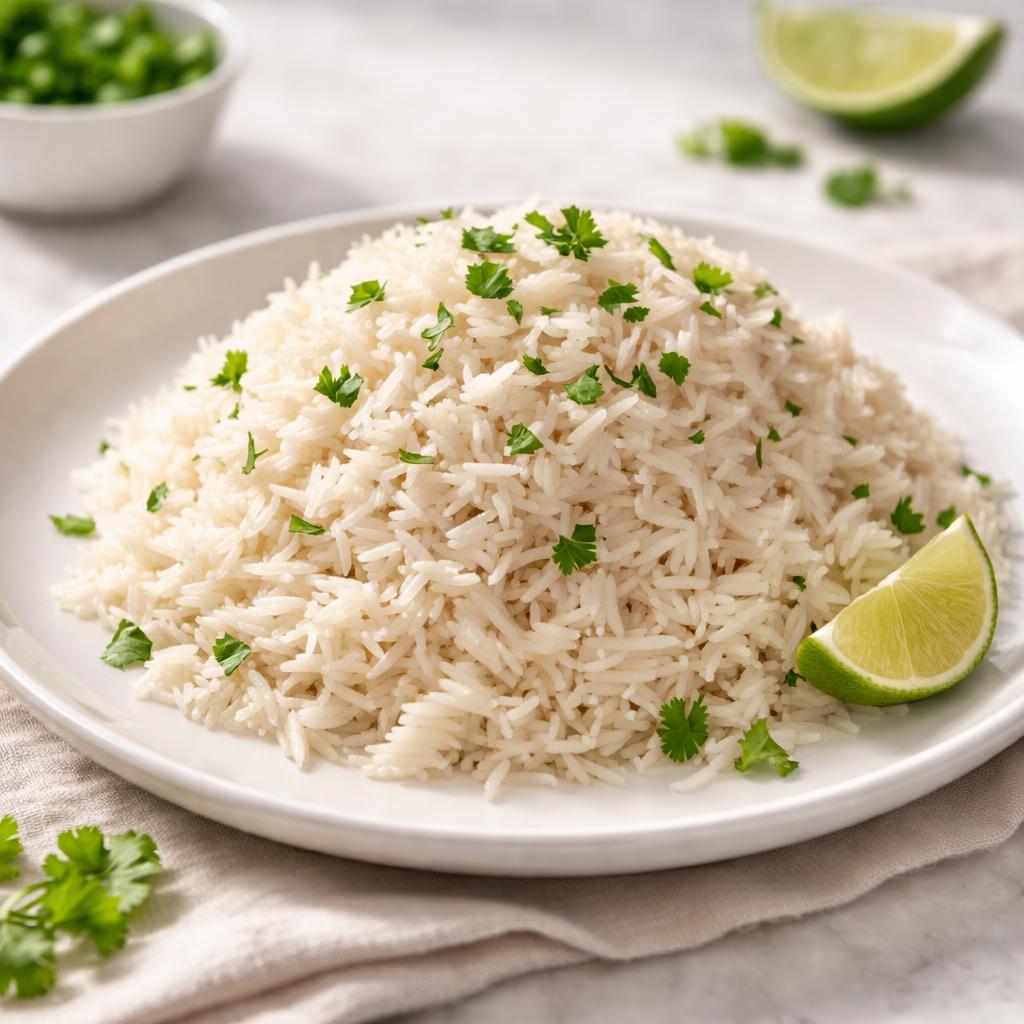
Basmati Rice
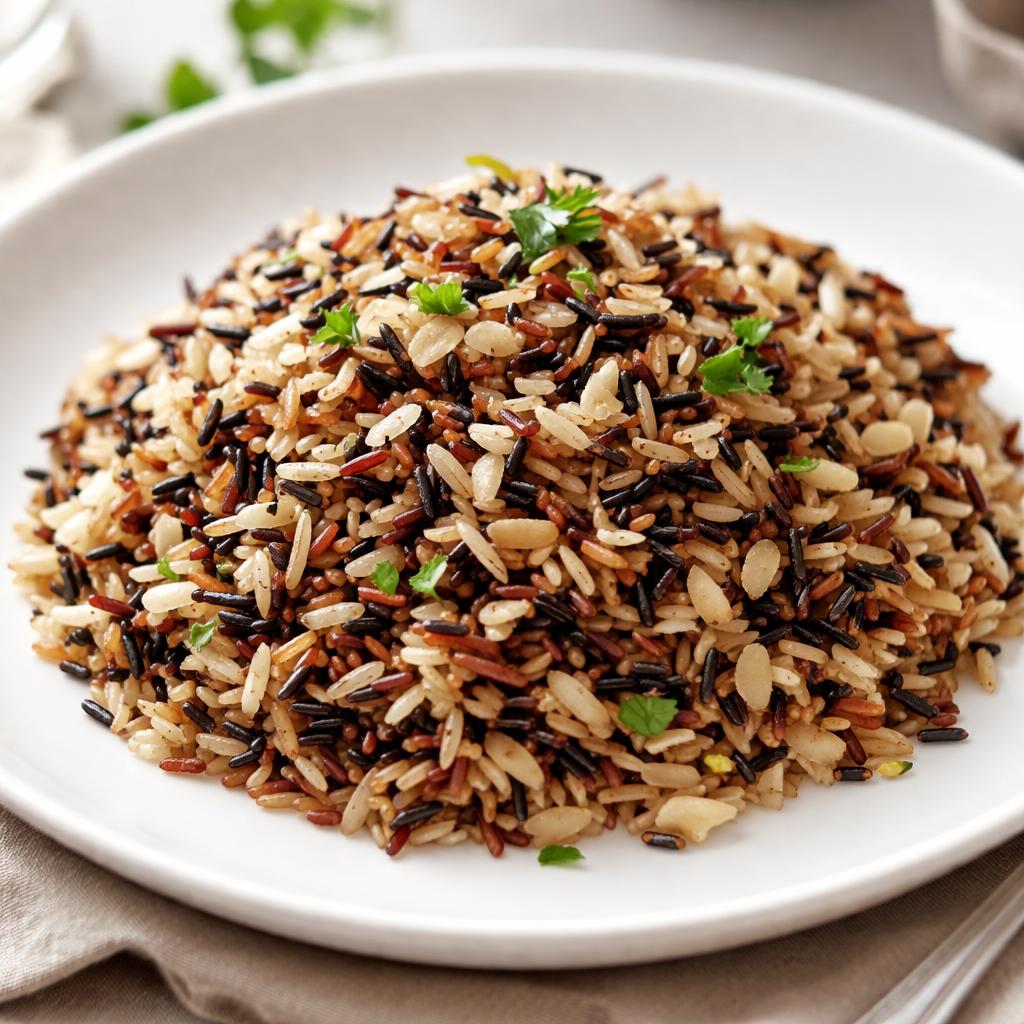
Wild Rice
🎯 Quick Verdict
Wild rice is nutritionally superior to basmati rice, offering more protein and fiber per serving, as well as additional vitamins and minerals. However, basmati rice is lower in sodium, has a mild flavor, and is especially suited for lighter dishes or large servings without adding much bulk. Wild rice is a better choice for nutrient density and hearty meals.

Smart Nutrition Tracking with SnapCalorie

📊 Nutritional Comparison
Macronutrients
| Nutrient | Food 1 | Food 2 | Winner |
|---|---|---|---|
| Calories | 160 | 166 | − |
| Protein | 3.5g | 6.5g | − |
| Carbs | 35g | 35g | − |
| Fat | 0.5g | 0.5g | − |
| Fiber | 0.5g | 3g | − |
Vitamins & Minerals
| Nutrient | Food 1 | Food 2 | Winner |
|---|---|---|---|
| Vitamin B6 | 0.1mg | 0.2mg | − |
| Magnesium | 21mg | 32mg | − |
| Iron | 0.5mg | 0.7mg | − |
🏆 Category Winners
Protein
Wild rice provides nearly double the protein per serving compared to basmati rice.
Fiber
Wild rice contains six times more fiber than basmati rice, aiding digestion.
Calories
Both basmati rice and wild rice have comparable calorie counts per serving.
Vitamins
Wild rice offers higher levels of vitamin B6, magnesium, and iron.
🥗 Diet Compatibility
Keto
Food 1: Not Compatible
Food 2: Not Compatible
Both are high in carbohydrates and unsuitable for keto diets.
Vegan
Food 1: Compatible
Food 2: Compatible
Neither contains any animal-derived ingredients.
Gluten Free
Food 1: Compatible
Food 2: Compatible
Both are naturally gluten-free grains.
Paleo
Food 1: Compatible
Food 2: Compatible
Both are minimally processed and conform to paleo guidelines.
Low-Carb
Food 1: Not Compatible
Food 2: Not Compatible
Each contains 35g of carbohydrates per serving, making them high-carb foods.
💪 Health Benefits Comparison
Food 1 Benefits
- Provides easily digestible carbohydrates for energy
- Low in fat for a lighter option
- Mild flavor pairs well with various dishes
Food 2 Benefits
- High in protein for muscle maintenance and repair
- Rich in fiber for improved digestion and satiety
- Provides higher levels of vitamins and minerals, including B6 and magnesium, for metabolic health
✅ The Bottom Line
Choose basmati rice for dishes where mild flavor and lower bulk are ideal, such as curries or stir-fries. Opt for wild rice if you're looking for a nutrient-dense grain, ideal for hearty meals and improving overall protein and fiber intake.
Choose Food 1 for: Light meals, Indian cuisine, side dishes with mild flavors
Choose Food 2 for: Nutrient density, protein-focused diets, hearty stews and salads


