Basmati Rice VS Shirataki Rice
A detailed nutritional comparison
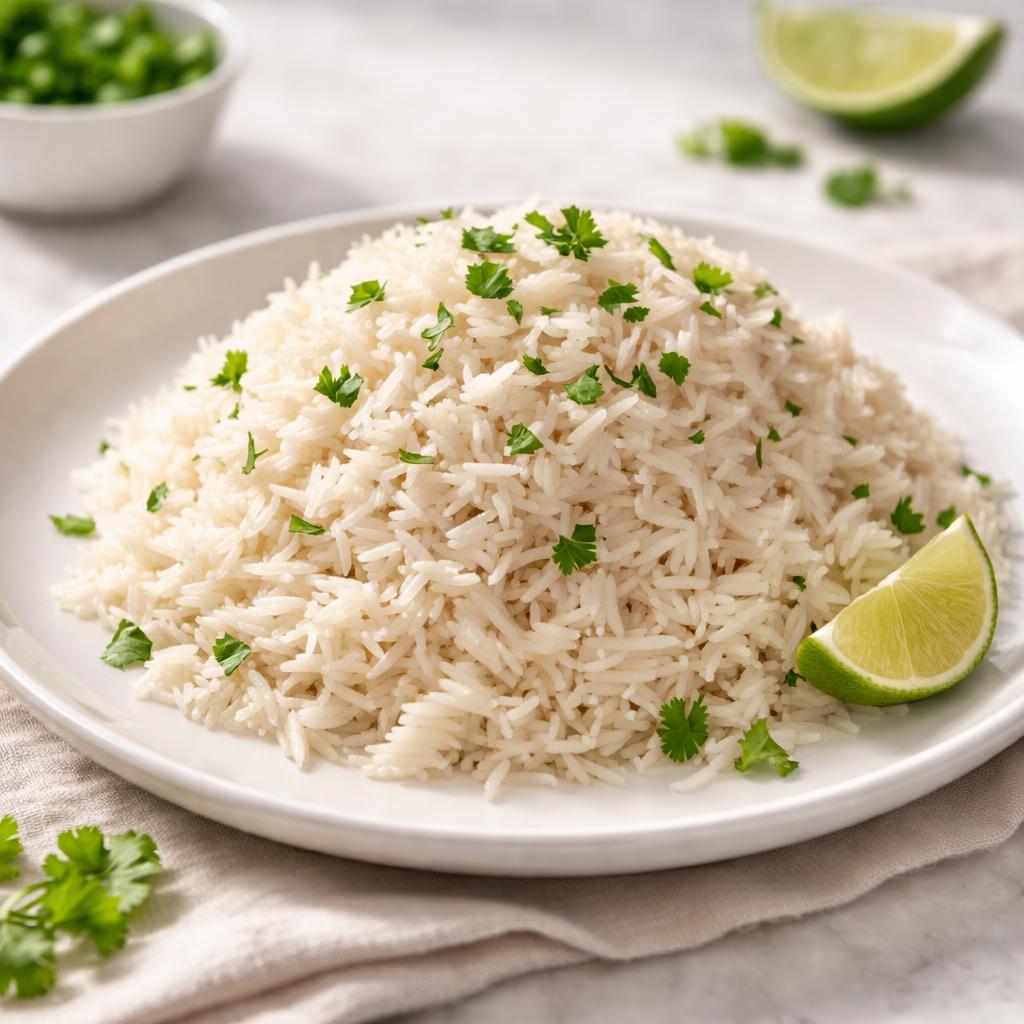
Basmati Rice
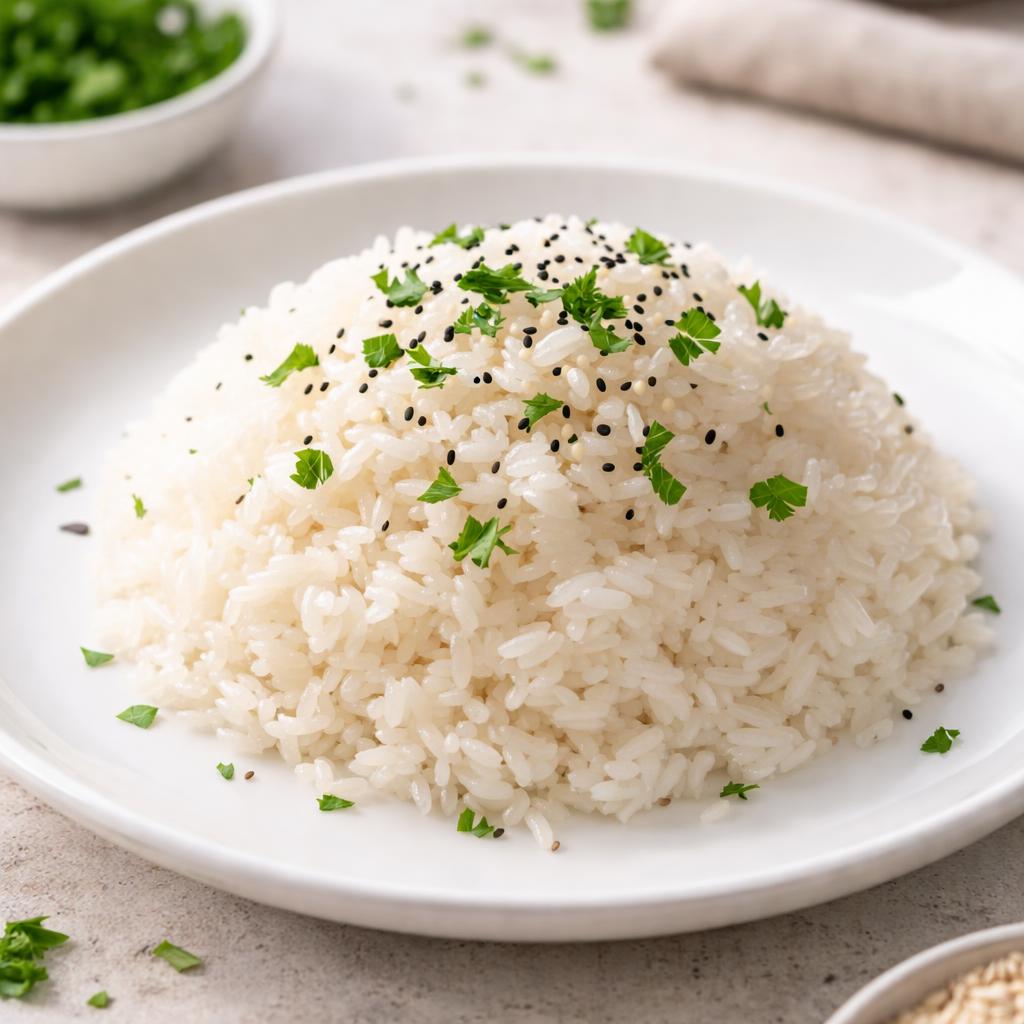
Shirataki Rice
🎯 Quick Verdict
Shirataki rice stands out as the lower-calorie, higher-fiber option, making it ideal for weight management and low-carb diets. Basmati rice, while higher in calories and carbs, provides steady energy and is a good source of essential nutrients like magnesium and vitamin B6. Choose basmati rice for balanced meals or shirataki rice when prioritizing carb reduction and digestion support.

Smart Nutrition Tracking with SnapCalorie

📊 Nutritional Comparison
Macronutrients
| Nutrient | Food 1 | Food 2 | Winner |
|---|---|---|---|
| Calories | 190 | 15 | ✓ |
| Protein | 4g | 0g | − |
| Carbs | 40g | 3g | ✓ |
| Fat | 0.5g | 0g | ✓ |
| Fiber | 0g | 2g | ✓ |
Vitamins & Minerals
| Nutrient | Food 1 | Food 2 | Winner |
|---|---|---|---|
| Vitamin B6 | 0.12mg | 0mg | ✓ |
| Magnesium | 15mg | 0mg | ✓ |
| Iron | 0.6mg | 0mg | ✓ |
🏆 Category Winners
Protein
Both foods are low in protein, but neither has a significant advantage in this category.
Fiber
Shirataki rice contains 2g of fiber per serving, while basmati rice has none.
Calories
Shirataki rice is extremely low-calorie (15 per serving), making it ideal for weight management.
Vitamins
Basmati rice contains key nutrients like Vitamin B6, magnesium, and iron, which shirataki rice lacks completely.
🥗 Diet Compatibility
Keto
Food 1: Not Compatible
Food 2: Compatible
Shirataki rice is low in carbs (3g per serving), while basmati rice is high-carb (40g per serving).
Vegan
Food 1: Compatible
Food 2: Compatible
Both foods are plant-based and suitable for vegan diets.
Gluten Free
Food 1: Compatible
Food 2: Compatible
Neither contains gluten, making both suitable for gluten-free diets.
Paleo
Food 1: Not Compatible
Food 2: Compatible
Shirataki rice aligns with paleo principles due to its minimal processing and low-carb nature.
Low Carb
Food 1: Not Compatible
Food 2: Compatible
Shirataki rice is low-carb, containing only 3g per serving, whereas basmati rice is high-carb at 40g per serving.
💪 Health Benefits Comparison
Food 1 Benefits
- Provides steady energy due to complex carbohydrates
- Good source of magnesium for bone health
- Contains iron for improved oxygen transport
Food 2 Benefits
- Extremely low-calorie option for weight loss
- High fiber content supports digestion
- Low-carb, making it suitable for blood sugar control and keto diets
✅ The Bottom Line
Shirataki rice is ideal for weight loss, low-carb, keto, and paleo diets due to its low-calorie and high-fiber profile. Basmati rice, on the other hand, is better suited for energy needs and nutrient-dense meals thanks to its vitamin and mineral content. Choose shirataki rice for dietary restrictions and basmati rice for balanced nutrition.
Choose Food 1 for: Balanced meals, sustained energy, iron intake
Choose Food 2 for: Weight management, digestion, low-carb diets


