Basmati Rice VS Rice With Sauce
A detailed nutritional comparison
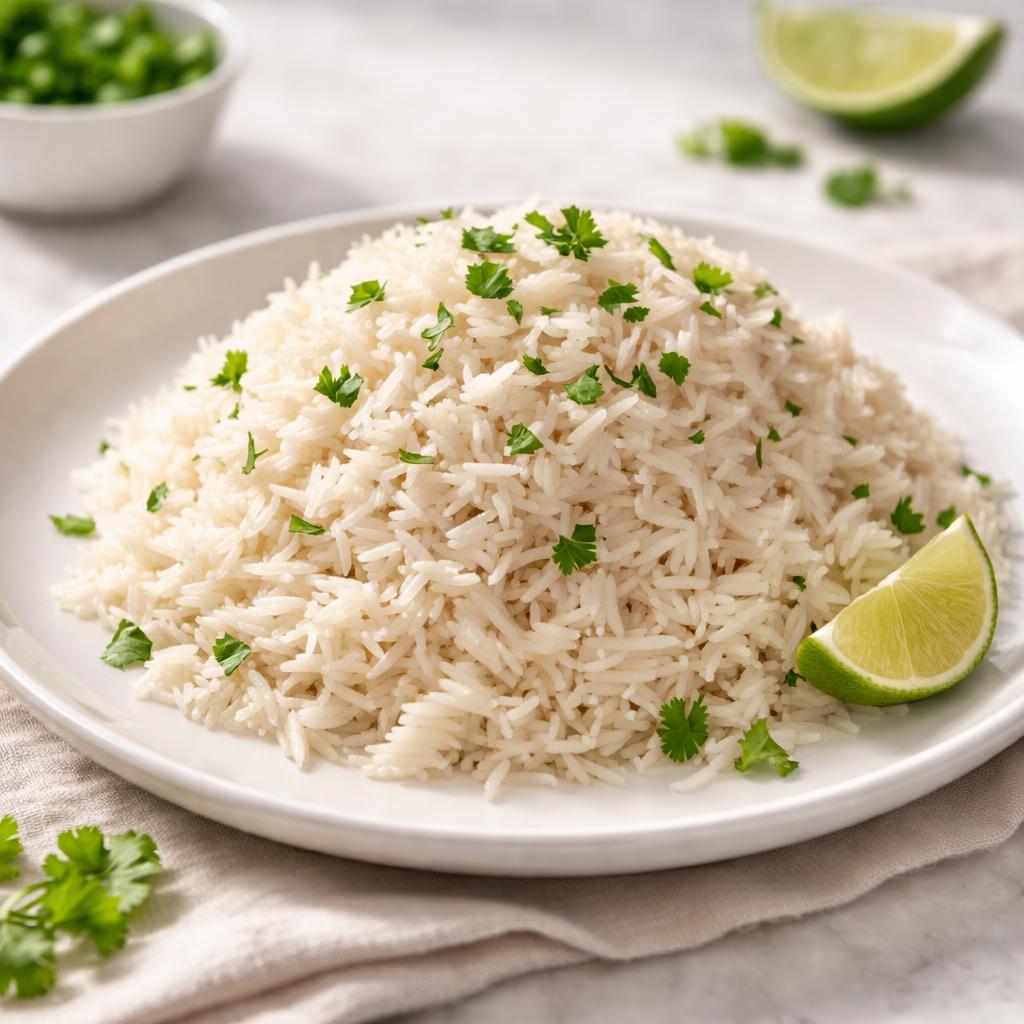
Basmati Rice
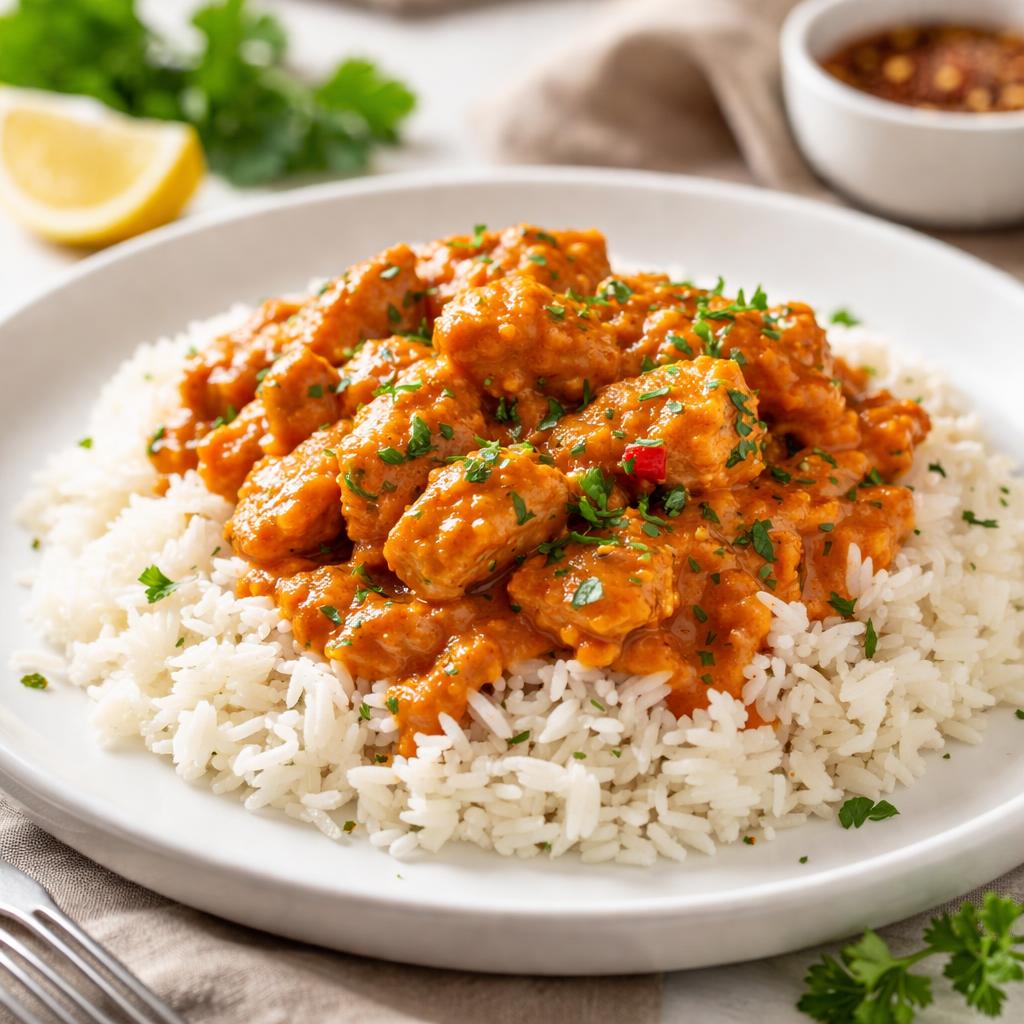
Rice With Sauce
🎯 Quick Verdict
Basmati rice (food1) is lower in calories and simpler in composition, making it ideal for controlled diets. Rice with sauce (food2) contains added fiber and nutrients from sauce ingredients but is higher in calories and less compatible with low-carb diets. Food choices depend on your dietary goals—light meals vs. flavor-rich, nutrient-dense options.

Smart Nutrition Tracking with SnapCalorie

📊 Nutritional Comparison
Macronutrients
| Nutrient | Food 1 | Food 2 | Winner |
|---|---|---|---|
| Calories | 150 per cup | 220 per cup | ✓ |
| Protein | 4g | 4g | − |
| Carbs | 35g | 40g | ✓ |
| Fat | 0.5g | 5g | ✓ |
| Fiber | 0.5g | 2g | ✓ |
Vitamins & Minerals
| Nutrient | Food 1 | Food 2 | Winner |
|---|---|---|---|
| Vitamin A | 0IU | 120IU | ✓ |
| Vitamin C | 0mg | 2mg | ✓ |
| Calcium | 5mg | 25mg | ✓ |
| Iron | 0.6mg | 1.5mg | ✓ |
🏆 Category Winners
Protein
Both foods have identical protein content per serving (4g).
Fiber
Rice with sauce contains 3x more fiber than plain basmati rice.
Calories
Food1 is lower in calories by 32%, supporting weight management.
🥗 Diet Compatibility
Keto
Food 1: Not Compatible
Food 2: Not Compatible
Both are high-carb options unsuitable for keto diets.
Vegan
Food 1: Compatible
Food 2: Compatible
Both foods can be vegan unless non-vegan ingredients are added to the sauce.
Gluten Free
Food 1: Compatible
Food 2: Check ingredients
Basmati rice is naturally gluten-free; sauce needs to be verified for gluten.
Paleo
Food 1: Compatible
Food 2: Check ingredients
Food1 fits paleo criteria; food2 depends on the sauce's specific ingredients.
Low Carb
Food 1: Not Compatible
Food 2: Not Compatible
Both foods have high carbohydrate content.
💪 Health Benefits Comparison
Food 1 Benefits
- Low-calorie staple, useful for weight loss
- Easily digestible and mild on the stomach
- Provides a consistent energy source from complex carbohydrates
Food 2 Benefits
- Higher in fiber for digestive health
- Includes additional vitamins and minerals via the sauce
- Offers more flavor, encouraging variety in diet
✅ The Bottom Line
Basmati rice is better for controlled diets like low-calorie or weight loss routines needing simplicity. Rice with sauce is more nutrient-dense and flavorful, targeting those focused on variety or fiber intake. Both foods serve different purposes based on dietary needs and preferences.
Choose Food 1 for: Weight loss, simple digestive diets, plain carb sources
Choose Food 2 for: Flavorful meals, nutrient variety, increased fiber intake


