Basmati Rice VS Parboiled Rice
A detailed nutritional comparison
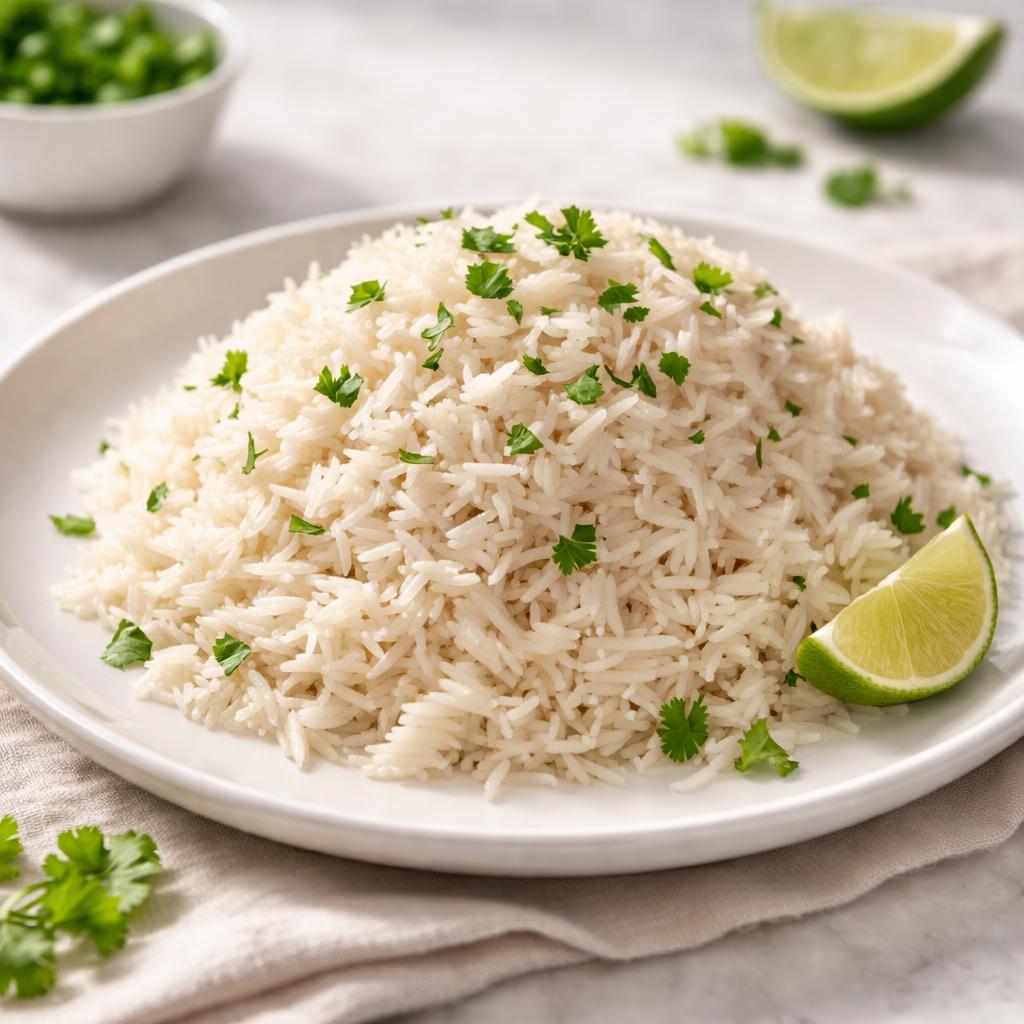
Basmati Rice
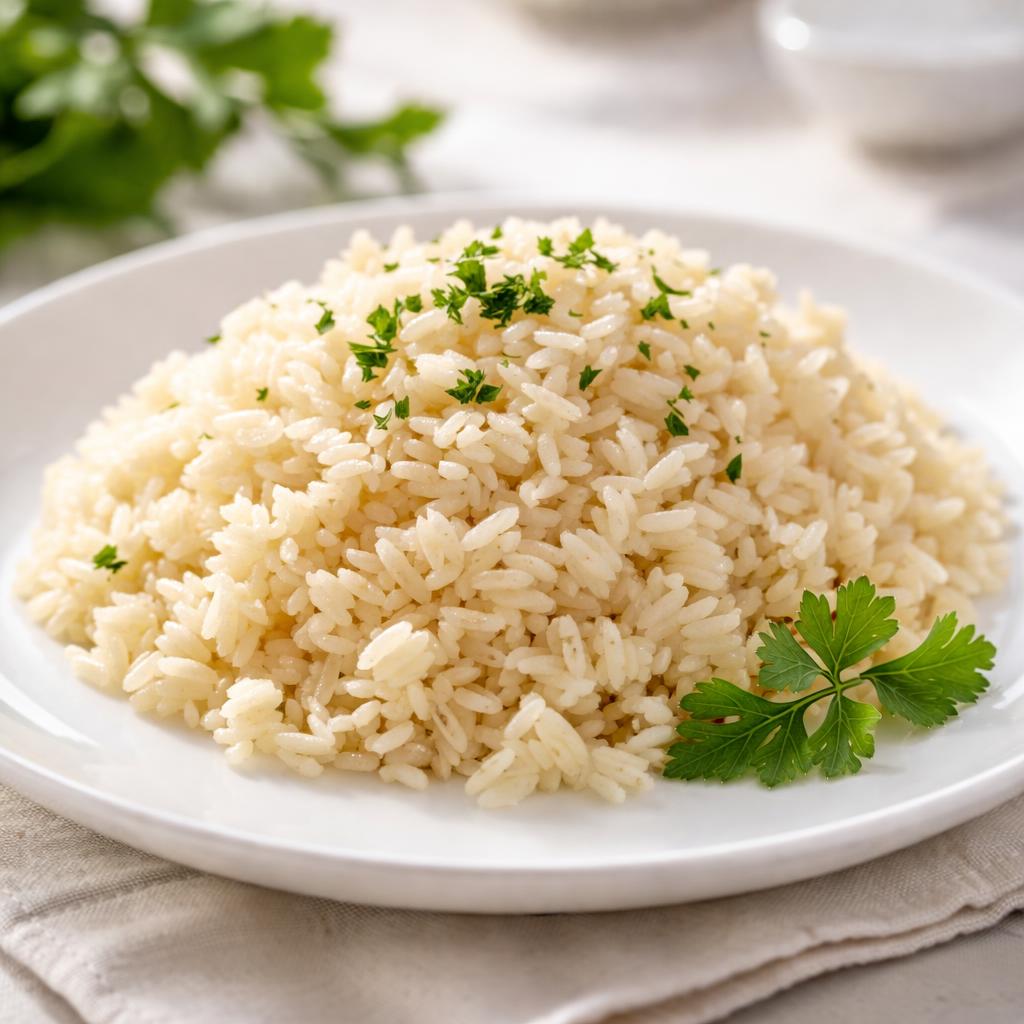
Parboiled Rice
🎯 Quick Verdict
Basmati rice is lower in calories and carbs, making it suitable for lighter meals or weight loss goals. Parboiled rice, however, contains marginally more protein and fiber, offering better satiety and digestive benefits. Both are excellent sources of energy and versatile in various recipes, but their nutrient profiles suggest slightly different use cases based on dietary needs.

Smart Nutrition Tracking with SnapCalorie

📊 Nutritional Comparison
Macronutrients
| Nutrient | Food 1 | Food 2 | Winner |
|---|---|---|---|
| Calories | 160 | 170 | ✓ |
| Protein | 3.5g | 4g | ✓ |
| Carbs | 35g | 37g | ✓ |
| Fat | 0.5g | 0.3g | ✓ |
| Fiber | 0.6g | 1g | ✓ |
Vitamins & Minerals
| Nutrient | Food 1 | Food 2 | Winner |
|---|---|---|---|
| Thiamine (B1) | 0.1mg | 0.22mg | ✓ |
| Iron | 0.15mg | 0.3mg | ✓ |
| Calcium | 3mg | 5mg | ✓ |
🏆 Category Winners
Protein
Parboiled rice has 14% more protein per serving.
Fiber
Parboiled rice contains 66% more fiber, aiding digestion.
Calories
Basmati rice has about 6% fewer calories per serving.
Vitamins
Parboiled rice delivers more iron, calcium, and thiamine.
🥗 Diet Compatibility
Keto
Food 1: Not Compatible
Food 2: Not Compatible
Both are high in carbs, making them unsuitable for keto diets.
Vegan
Food 1: Compatible
Food 2: Compatible
Both are plant-based and fit vegan diets.
Gluten Free
Food 1: Compatible
Food 2: Compatible
Neither contains gluten, making both suitable for gluten-free diets.
Paleo
Food 1: Not Compatible
Food 2: Not Compatible
Rice is not considered paleo due to its grain origin.
Low-Carb
Food 1: Not Compatible
Food 2: Not Compatible
Both are relatively high in carbohydrates.
💪 Health Benefits Comparison
Food 1 Benefits
- Lower in calories for weight management
- Smooth texture and easy digestion
- Rich in carbs for energy replenishment
Food 2 Benefits
- Higher protein contributes to satiety
- More fiber improves digestive health
- Enhanced nutrient retention through parboiling process
✅ The Bottom Line
Choose basmati rice for lighter meals and weight loss-focused diets due to its slightly lower calorie and carb count. Opt for parboiled rice if seeking a rice option with better protein and fiber content for sustained energy and digestive health.
Choose Food 1 for: Weight loss, light meals, calorie-controlled diets
Choose Food 2 for: Digestive health, muscle maintenance, nutrient density


