Basmati Rice VS Jasmin Rice
A detailed nutritional comparison
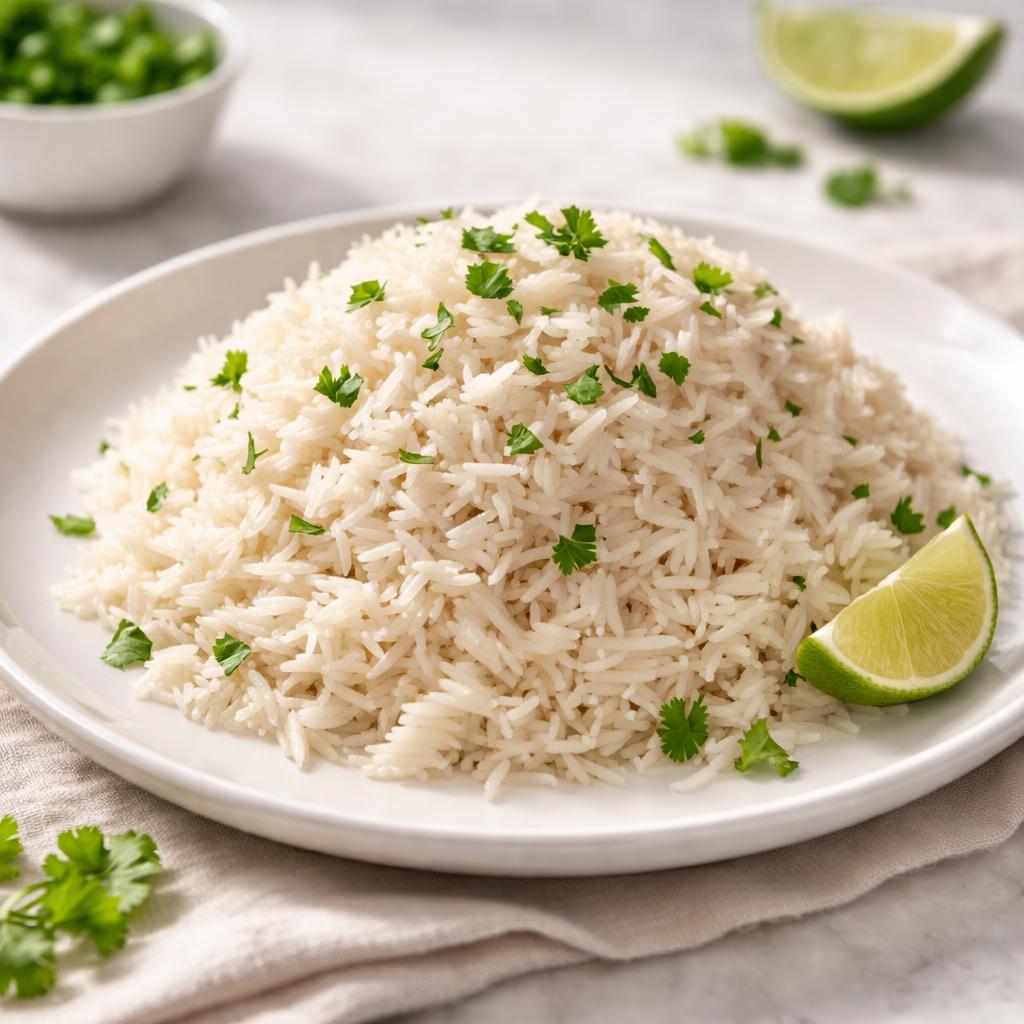
Basmati Rice
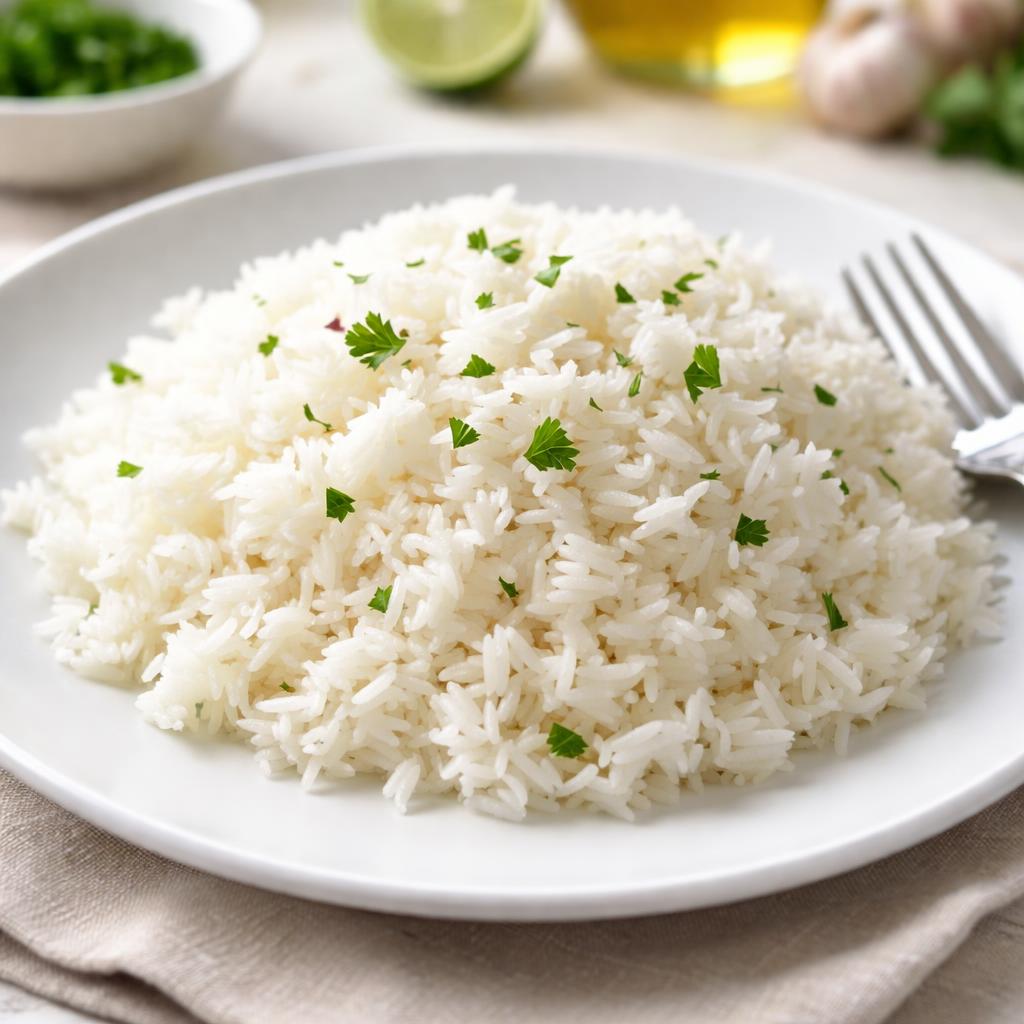
Jasmin Rice
🎯 Quick Verdict
Basmati rice and jasmine rice are both aromatic long-grain varieties with slight nutritional differences. Basmati rice tends to have lower calories and a lower glycemic index, making it ideal for weight management and stable energy levels. Jasmine rice is slightly higher in calories and provides quick energy, but both have similar fiber and protein content overall.

Smart Nutrition Tracking with SnapCalorie

📊 Nutritional Comparison
Macronutrients
| Nutrient | Food 1 | Food 2 | Winner |
|---|---|---|---|
| Calories | 160 kcal (per 100g cooked) | 170 kcal (per 100g cooked) | ✓ |
| Protein | 3.5g (per 100g cooked) | 3.5g (per 100g cooked) | − |
| Carbs | 35g (per 100g cooked) | 39g (per 100g cooked) | ✓ |
| Fat | 0.5g (per 100g cooked) | 0.4g (per 100g cooked) | ✓ |
| Fiber | 0.8g (per 100g cooked) | 0.8g (per 100g cooked) | − |
Vitamins & Minerals
| Nutrient | Food 1 | Food 2 | Winner |
|---|---|---|---|
| Thiamin (Vitamin B1) | 0.1mg | 0.02mg | ✓ |
| Niacin (Vitamin B3) | 1.5mg | 1.3mg | ✓ |
| Folate (Vitamin B9) | 58mcg | 50mcg | ✓ |
🏆 Category Winners
Protein
Both basmati and jasmine rice contain 3.5g of protein per 100g cooked serving.
Fiber
Fiber content is identical at 0.8g per serving for both types of rice.
Calories
Basmati rice has fewer calories per serving, making it suitable for calorie-conscious diets.
Vitamins
Basmati rice provides slightly higher levels of B vitamins such as thiamin, niacin, and folate.
🥗 Diet Compatibility
Keto
Food 1: Not Compatible
Food 2: Not Compatible
Both are high-carb foods, unsuitable for ketogenic diets.
Vegan
Food 1: Compatible
Food 2: Compatible
Both are plant-based and vegan-friendly.
Gluten Free
Food 1: Compatible
Food 2: Compatible
Neither variety contains gluten.
Paleo
Food 1: Compatible
Food 2: Compatible
Both fit within a paleo diet framework as unprocessed grains.
Low-Carb
Food 1: Not Compatible
Food 2: Not Compatible
Both are high-carb and unsuitable for low-carb diets.
💪 Health Benefits Comparison
Food 1 Benefits
- Lower glycemic index compared to jasmine rice, aiding in blood sugar control.
- Good source of essential B vitamins, supporting energy metabolism.
- Lower calorie content makes it a better choice for weight management.
Food 2 Benefits
- Quick source of energy, suitable for athletes or active individuals.
- Natural antioxidant compounds in its fragrant aroma may benefit respiratory health.
- Rich in folate, supporting healthy cell division and brain functions.
✅ The Bottom Line
Basmati rice is better suited for weight loss and stable blood sugar due to its lower calorie content and glycemic index. Jasmine rice, on the other hand, is ideal for those seeking quick energy or who prefer its softer, stickier texture. Both are excellent options for versatile dishes but cater to slightly different dietary goals.
Choose Food 1 for: Weight management, diabetic-friendly diets, moderate energy needs
Choose Food 2 for: Quick energy replenishment, high-activity lifestyles, aromatic dishes


