Basmati Rice VS Cooked White Rice
A detailed nutritional comparison
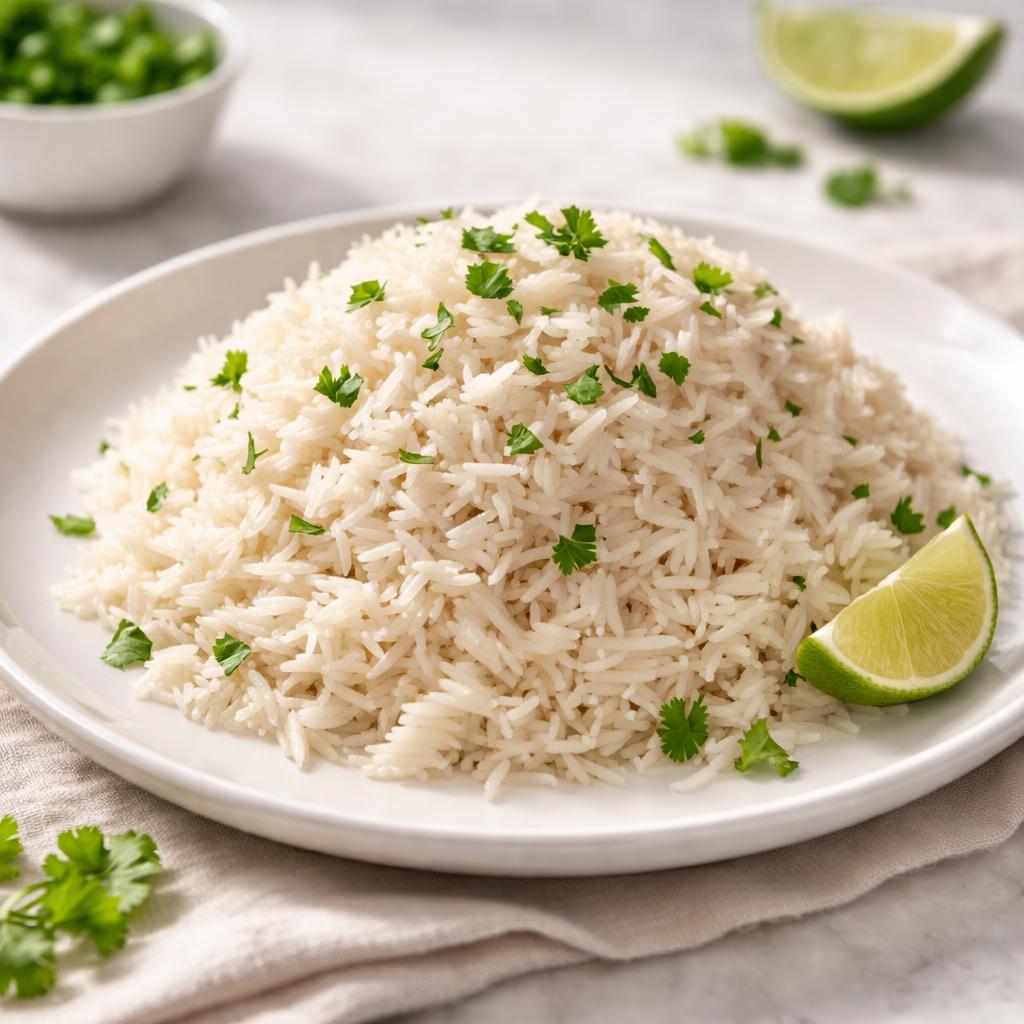
Basmati Rice
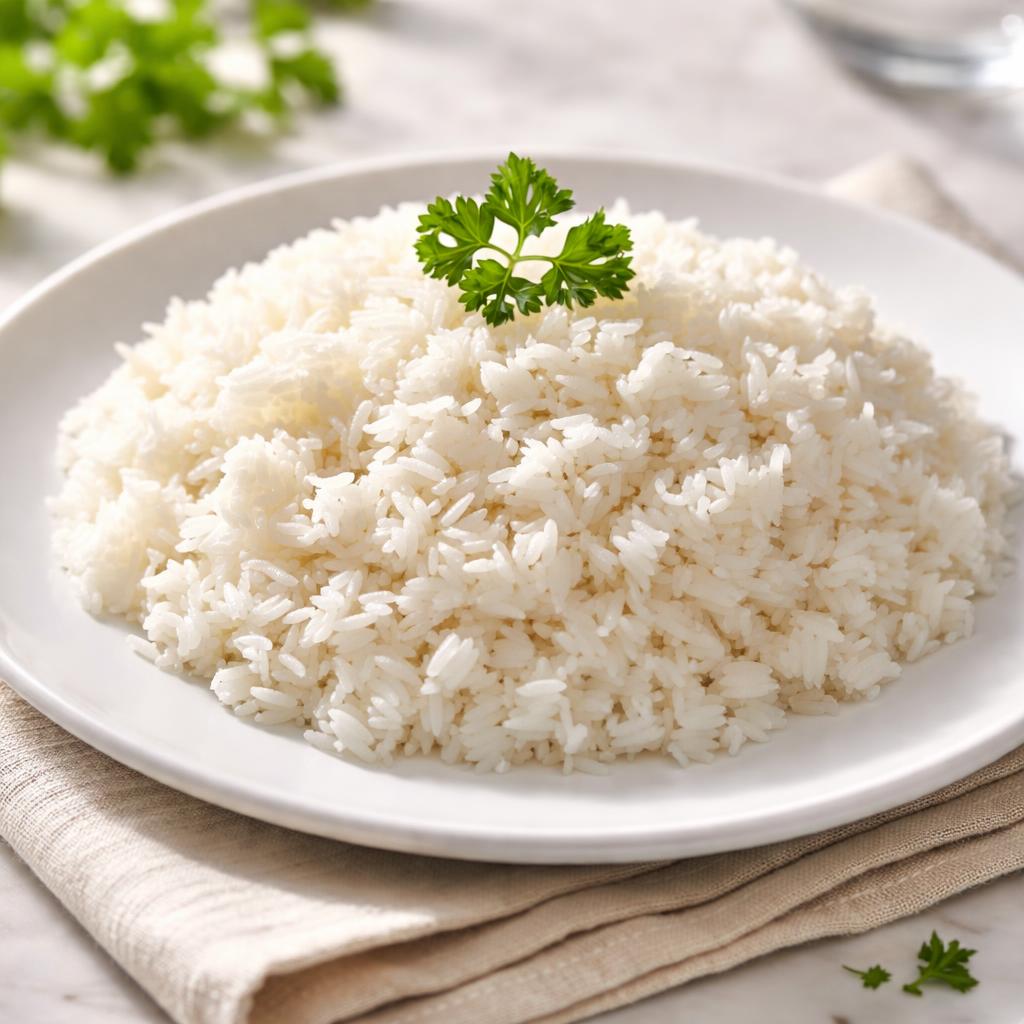
Cooked White Rice
🎯 Quick Verdict
Basmati rice offers slightly more fiber and a lower glycemic index compared to cooked white rice, making it a better choice for sustained energy and blood sugar control. While both are similar in protein and calorie content, basmati rice provides added digestive and heart health benefits due to its nutritional profile.

Smart Nutrition Tracking with SnapCalorie

📊 Nutritional Comparison
Macronutrients
| Nutrient | Food 1 | Food 2 | Winner |
|---|---|---|---|
| Calories | 205 (per 1 cup) | 205 (per 1 cup) | − |
| Protein | 4.4g | 4.3g | − |
| Carbs | 45g | 45g | − |
| Fat | 0.5g | 0.4g | − |
| Fiber | 1g | 0.3g | − |
Vitamins & Minerals
| Nutrient | Food 1 | Food 2 | Winner |
|---|---|---|---|
| Vitamin B3 (Niacin) | 1.2mg | 1.1mg | − |
| Vitamin B6 | 0.1mg | 0.05mg | − |
| Magnesium | 20mg | 12mg | − |
| Iron | 0.4mg | 0.2mg | − |
🏆 Category Winners
Protein
Both foods have similar protein levels (about 4.4g per cup).
Fiber
Basmati rice contains 1g fiber per cup, over 3x higher than white rice.
Calories
Both provide 205 calories per cup.
Vitamins
Basmati rice offers slightly more micronutrients like magnesium and iron.
🥗 Diet Compatibility
Keto
Food 1: Not Compatible
Food 2: Not Compatible
Both are high-carb foods, unsuitable for keto diets.
Vegan
Food 1: Compatible
Food 2: Compatible
Neither food contains animal products.
Gluten Free
Food 1: Compatible
Food 2: Compatible
Both are gluten-free grains.
Paleo
Food 1: Not Compatible
Food 2: Not Compatible
Both are considered grains, which are not part of a strict paleo diet.
Low-Carb
Food 1: Not Compatible
Food 2: Not Compatible
Both contain over 45g carbs per cup, making them unsuitable for low-carb diets.
💪 Health Benefits Comparison
Food 1 Benefits
- Provides a lower glycemic index for better blood sugar control.
- Higher in fiber, aiding digestion and promoting gut health.
- Rich in magnesium, supporting muscle and nerve function.
Food 2 Benefits
- Quickly provides energy due to its high glycemic index.
- Easily digestible, making it good for sensitive stomachs.
- A cost-effective source of carbohydrates for meals.
✅ The Bottom Line
While both basmati rice and cooked white rice are nutritionally similar in calories and protein, basmati rice offers more fiber and micronutrients, making it a better choice for digestive health and blood sugar management. White rice is a great option when quick energy and affordability are priorities.
Choose Food 1 for: Balanced meals, sustained energy, improved digestion
Choose Food 2 for: Budget-friendly meals, quick energy, occasional consumption


