Basmati Rice VS Cooked Jasmine Rice
A detailed nutritional comparison
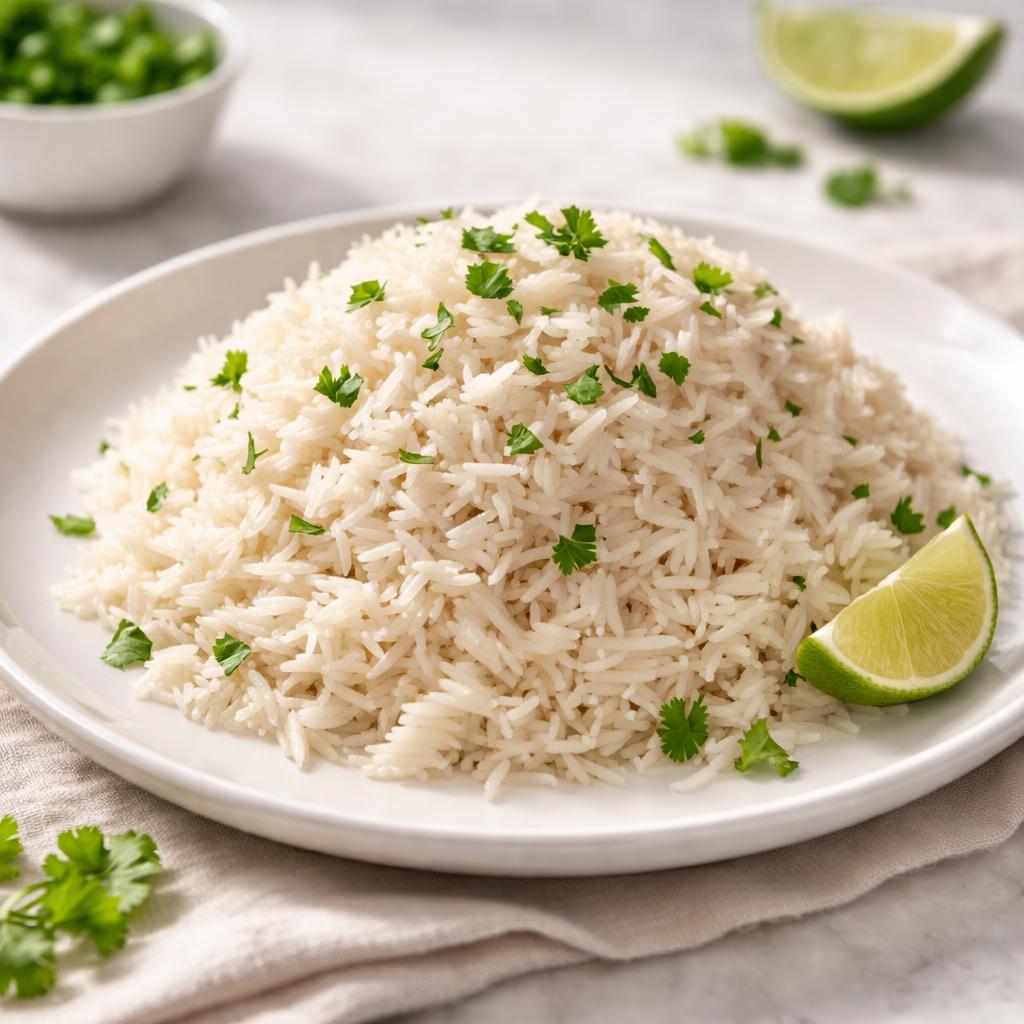
Basmati Rice
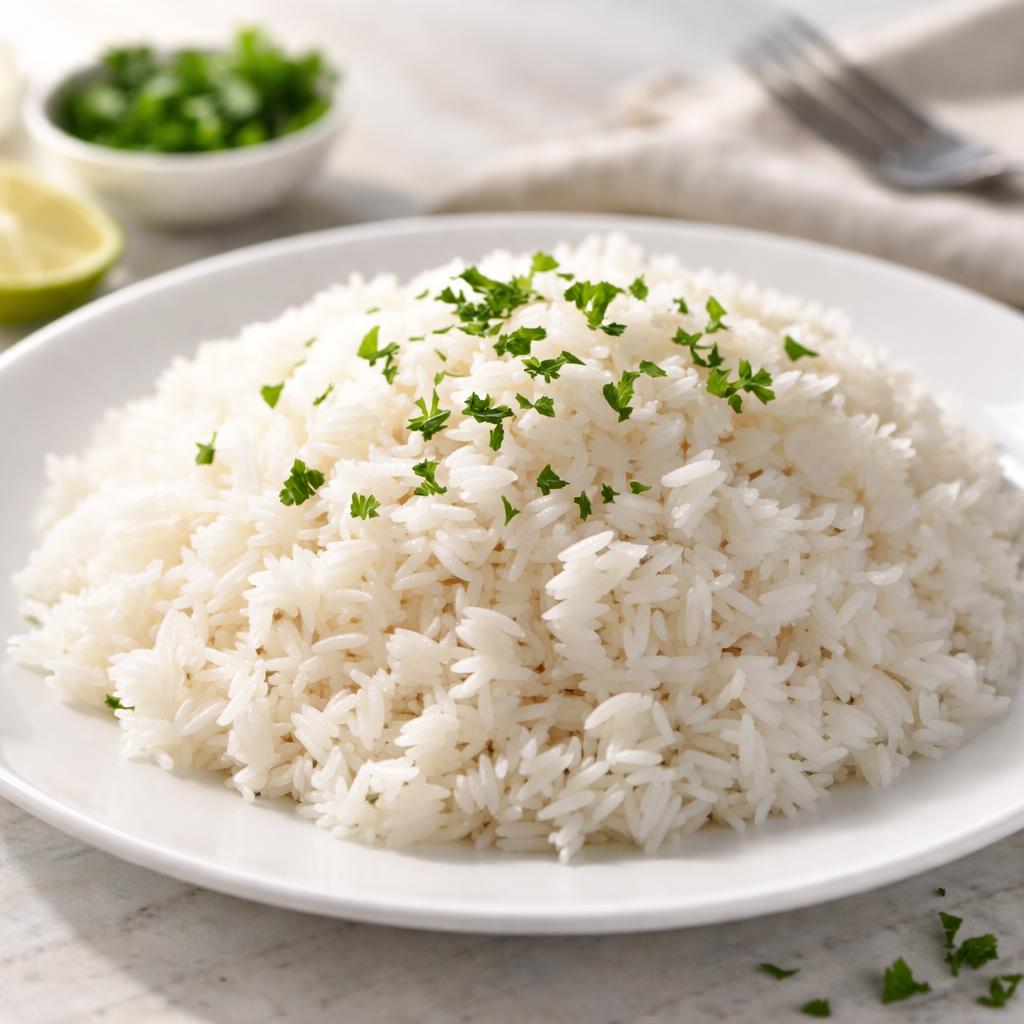
Cooked Jasmine Rice
🎯 Quick Verdict
Basmati rice and jasmine rice are two flavorful, aromatic rice varieties with similar calorie and protein content. However, basmati rice edges out slightly in fiber, while jasmine rice offers a broader variety of minerals. Basmati is well-suited for low-glycemic diets, whereas jasmine rice works for those seeking a quicker energy source due to its higher carb content.

Smart Nutrition Tracking with SnapCalorie

📊 Nutritional Comparison
Macronutrients
| Nutrient | Food 1 | Food 2 | Winner |
|---|---|---|---|
| Calories | 205 (per 1 cup cooked) | 205 (per 1 cup cooked) | − |
| Protein | 4.5g | 4g | − |
| Carbs | 45g | 45g | − |
| Fat | 0.5g | 0.4g | − |
| Fiber | 1g | 0.6g | ✓ |
Vitamins & Minerals
| Nutrient | Food 1 | Food 2 | Winner |
|---|---|---|---|
| Vitamin B1 (Thiamine) | 0.15mg | 0.19mg | ✓ |
| Folate | 50mcg | 58mcg | ✓ |
| Magnesium | 21mg | 16mg | ✓ |
| Selenium | 9.6mcg | 12.8mcg | ✓ |
🏆 Category Winners
Protein
Both provide comparable protein content, essential for muscle repair.
Fiber
Basmati rice contains about 60% more fiber per serving, aiding digestion.
Calories
Both have identical calorie counts at 205 per cooked cup.
Vitamins
Jasmine rice offers more vital minerals like selenium and folate.
🥗 Diet Compatibility
Keto
Food 1: Not Compatible
Food 2: Not Compatible
Both are high-carb foods.
Vegan
Food 1: Compatible
Food 2: Compatible
Both are plant-based.
Gluten Free
Food 1: Compatible
Food 2: Compatible
Both are naturally gluten-free.
Paleo
Food 1: Compatible
Food 2: Compatible
Both align with paleo principles.
Low-Carb
Food 1: Not Compatible
Food 2: Not Compatible
Both contain approximately 45g carbs per cooked cup.
💪 Health Benefits Comparison
Food 1 Benefits
- Lower glycemic index for sustained energy
- Higher fiber content supports digestive health
- Contains magnesium for muscle and nerve function
Food 2 Benefits
- Aromatic and easy to digest, providing faster energy
- Rich in selenium for thyroid health
- Offers folate that aids cell function and repair
✅ The Bottom Line
Basmati rice is a better choice for those seeking lower glycemic impact and higher fiber, ideal for weight management or digestion-focused diets. Jasmine rice, on the other hand, is perfect for quick energy needs and provides essential minerals like selenium and folate, supporting heart health and cellular repair.
Choose Food 1 for: Low-glycemic diets, digestion support, weight control
Choose Food 2 for: Energy boost, nutrient density, flavorful dishes


